
Yo, folks! As a titanium supplier, I get asked a lot about why titanium's such a big deal in the shipbuilding industry. Well, let me break it down for you. There are several solid reasons why titanium has become a go - to material for ships, and I'm stoked to share them with you.
1. Corrosion Resistance
One of the biggest headaches in the shipbuilding world is corrosion. The ocean is a harsh environment, filled with saltwater, which can eat away at most metals over time. But titanium? It's like a champ when it comes to standing up to corrosion.
Titanium forms a thin, protective oxide layer on its surface when exposed to oxygen. This layer is incredibly stable and acts as a shield, preventing the metal underneath from reacting with the saltwater. Unlike steel, which rusts and weakens, titanium stays strong and durable. For ships, this means less maintenance and a longer lifespan. You don't have to keep painting and patching up the hull to prevent rust, which saves a ton of time and money in the long run.
For example, in areas where ships are constantly exposed to seawater, like the hull and the ballast tanks, using titanium can make a huge difference. The reduced corrosion also means that the structural integrity of the ship is maintained, which is super important for safety at sea.
2. High Strength - to - Weight Ratio
When you're building a ship, weight is a major concern. The heavier the ship, the more fuel it needs to move, and that's not good for the environment or the wallet. Titanium has an amazing strength - to - weight ratio. It's as strong as steel but about half the weight.
This means that you can use titanium to build strong structures on the ship without adding a lot of extra weight. For instance, the frames and supports in the ship can be made of titanium. With less weight, the ship can be more fuel - efficient, which is a huge advantage. It can also increase the ship's speed and maneuverability. Think about it, a lighter ship can change direction more easily, which is crucial in tight spots or during emergencies.
3. Fatigue Resistance
Ships are constantly subjected to stress and vibrations as they move through the water. This can cause fatigue in the materials used to build them. Fatigue is when a material weakens over time due to repeated stress. Titanium has excellent fatigue resistance.
It can withstand the constant pounding and shaking that ships experience without cracking or failing. This is particularly important for parts of the ship that are under a lot of stress, like the propellers and the engine mounts. Using titanium in these areas means that the ship is less likely to experience mechanical failures, which can be dangerous and costly to repair.


4. Heat Resistance
The engines on ships generate a lot of heat. Titanium can handle high temperatures without losing its strength or shape. This makes it ideal for use in engine components and exhaust systems.
In the engine, where temperatures can soar, titanium parts can maintain their integrity. This helps to improve the efficiency of the engine and reduces the risk of overheating. In the exhaust system, titanium's heat resistance means that it won't warp or degrade quickly, ensuring a longer - lasting and more reliable system.
5. Biocompatibility
In some cases, ships are involved in activities that interact with the marine environment, such as scientific research vessels or aquaculture ships. Titanium is biocompatible, which means it doesn't have a negative impact on marine life.
When used in equipment that comes into contact with water, like sensors or cages for aquaculture, titanium won't release harmful chemicals or toxins. This is important for maintaining the health of the marine ecosystem and ensuring the accuracy of scientific research.
Our Titanium Products for Shipbuilding
As a titanium supplier, we offer a wide range of products that are perfect for shipbuilding. We've got the Gr12 Titanium Welding Rod, which is great for joining titanium parts together. It has excellent welding properties and can ensure a strong and reliable bond.
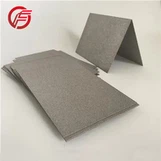
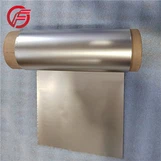
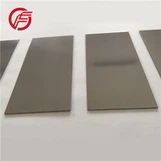
Our ASME SB - 265 UNS R54520 Gr6 Titanium Plate is another top - notch product. These plates are strong, lightweight, and corrosion - resistant, making them ideal for use in the ship's hull and other structural components.
And if you're looking for something more unique, check out our Titanium Backpacking Camp Stove. While it might not be directly used in shipbuilding, it shows off the versatility of titanium. It's lightweight, durable, and heat - resistant, just like the titanium products we supply for ships.
Contact Us for Your Titanium Needs
If you're in the shipbuilding business or any other industry that could benefit from titanium, we're here to help. Whether you need a small quantity of welding rods or a large order of titanium plates, we've got you covered. We can offer you high - quality titanium products at competitive prices.
Don't hesitate to reach out to us to discuss your specific requirements. We're always happy to have a chat and find the best titanium solutions for your projects.
References
- "Titanium: Properties, Processing, and Applications" by John C. Williams
- "Marine Corrosion: Causes, Prevention, and Control" by Robert G. Kelly
- "Materials Science and Engineering: An Introduction" by William D. Callister Jr.