
As a long - standing supplier of moly rods, I'm often asked about their typical applications in furnace construction. Molybdenum (Mo) rods are highly sought - after in furnace - building projects due to their excellent physical and chemical properties. Let's delve into the details of these applications.
1. Heating Elements
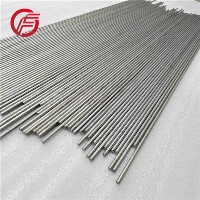
One of the most common applications of moly rods in furnace construction is as heating elements. Molybdenum has a high melting point of approximately 2623°C, which makes it suitable for use in high - temperature furnaces. In comparison to other metals, moly can maintain its structural integrity and electrical conductivity at elevated temperatures.
For instance, in vacuum furnaces and hydrogen - atmosphere furnaces, moly rods are used to generate heat. The high melting point allows these heating elements to operate in extreme temperature environments without melting or deforming. As a result, the furnace can achieve and maintain high temperatures required for processes such as sintering, annealing, and heat - treating of various materials.
When used as heating elements, moly rods are designed in different shapes and sizes to meet specific furnace requirements. They can be bent into U - shaped, W - shaped, or spiral configurations. These shapes increase the surface area of the heating element, which in turn enhances the efficiency of heat transfer.
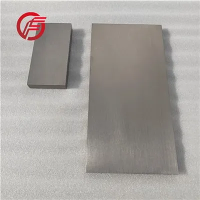
If you are interested in other molybdenum products related to heating applications, you can check out our Molybdenum High Temperature Alloy Tzm Foil. It also has excellent high - temperature performance and can be used in some special heating or insulation applications.
2. Support Structures
Moly rods are also widely used as support structures in furnaces. In a high - temperature environment, most conventional materials will lose their strength and durability. Molybdenum, however, retains its mechanical properties even at high temperatures.
For example, in large - scale industrial furnaces, moly rods are used to support heavy loads such as crucibles, which may contain molten metals or other high - temperature substances. The rods are arranged in a grid - like pattern to provide a stable and reliable support system. They prevent the crucibles from sagging or collapsing under the high - temperature and heavy - load conditions.
Moreover, moly rods are resistant to corrosion from many chemicals, which is crucial in furnaces where various chemical reactions may occur. This corrosion resistance ensures the long - term stability of the support structure, reducing the need for frequent maintenance and replacement.
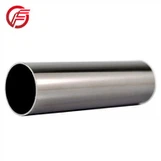
Our 360 361 Molybdenum bar is a great option for support structures. It has high purity and excellent mechanical properties, making it suitable for withstanding high - stress and high - temperature conditions.
3. Insulation Components
In furnace construction, proper insulation is essential to minimize heat loss and improve energy efficiency. Moly rods can be incorporated into insulation systems.
Molybdenum has a relatively low thermal expansion coefficient. This property is beneficial in insulation components because it helps to maintain the integrity of the insulation structure during temperature changes. For example, in some advanced insulation packs, moly rods can be used as a reinforcement material. They are embedded in insulating materials such as ceramic fiber blankets to enhance the mechanical strength of the insulation.
When the furnace is heated or cooled, the moly rods prevent the insulation from cracking or deforming due to thermal stress. This ensures that the insulation remains effective over a long period of time, reducing energy consumption and maintaining a more consistent temperature inside the furnace.
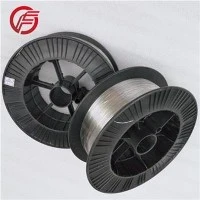
If you need other molybdenum products for insulation - related applications, our Molybdenum Wire can also be a good choice. It can be used in some fine - tuned insulation structures or for creating conductive paths within the insulation to control static electricity.
4. Electrical Conductive Paths
Molybdenum is a good electrical conductor. In furnace construction, moly rods are used to create electrical conductive paths.
In some high - temperature electrical systems within the furnace, such as the connection between different electrical components or the transfer of electrical power to the heating elements, moly rods are employed. Their high electrical conductivity allows for efficient transfer of electricity with minimal power loss.
In addition, the stability of molybdenum at high temperatures ensures that the electrical conductivity remains consistent even under extreme operating conditions. This is important for maintaining the proper functioning of the furnace's electrical system, which in turn affects the overall performance of the furnace.
5. Fastening and Joining
Fastening and joining are crucial aspects of furnace construction. Molybdenum rods can be machined into various fasteners such as bolts, nuts, and washers.
Our 360 361 363 High Purity 99.95% Molybdenum Nuts are ideal for use in furnace construction. These nuts can withstand high temperatures and mechanical stress, ensuring a tight and reliable connection between different components of the furnace.
Molybdenum fasteners are also resistant to oxidation and corrosion, which is important in the harsh environment of a furnace. They prevent loosening and failure of the connections due to chemical reactions or thermal expansion, thus maintaining the structural integrity of the furnace.

6. Alloying and Composite Materials
Molybdenum is often alloyed with other metals to form high - performance materials for furnace construction. For example, TZM (Titanium - Zirconium - Molybdenum) alloy is a well - known molybdenum - based alloy.
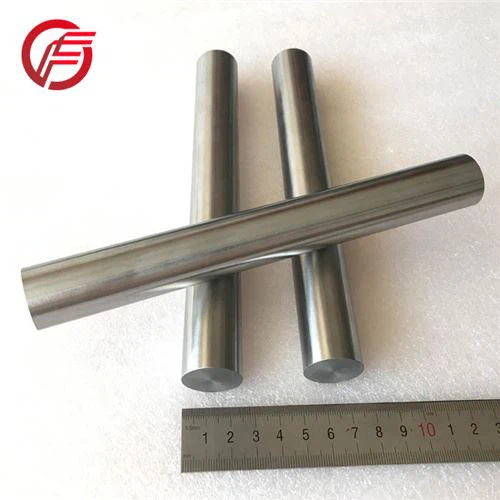
Our TZM Molybdenum Alloy Bar has improved mechanical properties compared to pure molybdenum. It has higher strength, better creep resistance, and enhanced ductility at high temperatures. These TZM alloy bars can be used in more demanding furnace applications, such as in high - stress support structures or components that require better formability at high temperatures.
In composite materials, moly rods can be combined with ceramic or other materials to create hybrid components with unique properties. These composite materials can take advantage of the high - temperature resistance of molybdenum and the insulating or other properties of the accompanying materials.
Contact for Purchase and Technical Consultation
If you are looking for high - quality moly rods for your furnace construction project, or if you have any questions regarding the selection, application, or technical specifications of our moly rod products, we are here to help. Our team of experts has extensive experience in the field and can provide you with professional advice and customized solutions. Whether you need a small quantity for a research project or a large - scale supply for an industrial furnace construction, we can meet your requirements.
References
- "Molybdenum: Properties, Processing and Applications." ASM International, 2009.
- "High - Temperature Materials for Energy Applications." Springer, 2015.
- "Furnace Construction and Operation." John Wiley & Sons, 2012.