

Titanium
Baoji Fairy Titanium Industry Co., Ltd is a leading manufacturer & supplier known predominantly for the core products titanium, nickel, zirconium, molybdenum, and tantalum. Located in the Titanium Valley of China, Baoji City, Shaanxi province, Fairy Titanium specializes in offering high-quality corrosion-resistant nonferrous metal products.
Quality Assurance:
All metal material we use must be inspected by professional QC. We strictly inspect the product according to the national standard before shipment.
Our production meets all ASTM and industry-specific standards. Our dedication to the highest possible quality control and lot-to-lot consistency is equally matched by our goal to be at the forefront of metal suppliers.
Various Types:
Our metal products can be of various types to suit your specific corrosion-resisting needs, including titanium nickel zirconium wires, bars, sheets, flanges, fasteners, and more, each of which can be custom-designed and manufactured to suit the specific usage environment.
Wide Range of Applications:
We specialize in offering high-quality titanium nickel zirconium material that caters to different industries, as well as extraordinary resistance to corrosion, wear, and heat, such as Power Plants, Aerospace, Chemical Processing, Furnace Components, Medical Equipment, Metallurgy, Research And Development, and Semiconductor.
Professional Technical Team And Rich Experience:
We have been in titanium metal manufacturing for more than 10 years. We offer engineers who provide you with professional metal advice services.
-
 UNS R53400 ASTM B348 Ti-Alloy Grade 12 Titanium Round BarGrade 12 titanium round bar. 1. Ti 0.8Ni0.3Mo. 2. Dia 6~300mm. 3. Stock 2000~3000mm length or fixed length. 4. ASTMB348Add to Inquiry
 -
 High-strength Titanium 6al4v Wire Grade 5 6-4 Titanium Wire6Al4V Titanium wire. 1. Ti-6Al-4V or Ti64). 2. Alpha-beta titanium alloy. 3. Dia 0.3~4.0mm. 4. MOQ 1KG. 5. ASTMB863Add to Inquiry
 -
 Heat-Resistant UNS R56400 ASME SB-348 Grade 5 Titanium BarsGrade 5 titanium bars. 1. Ti6al4v titanium alloy. 2. Polishing bright surface. 3. MOQ 1kg. 4. ASTMB348 ASTMF67 ASTMF136Add to Inquiry
 -
 CP titanium ASTMB265 Gr1~Gr4 Pure Titanium SheetCommercial pure titanium sheet. 1. Grade: Gr1 Gr2 Gr3 Gr4 etc.. 2. 0.3mm to 100mm. 3. 1000x2000mm or 1220 1250 2000mm wide stock. 3. ASTMB265.Add to Inquiry
 -
 ASTMB265 Gr1 Titanium FoilCAS 7440-32-6. UNS R50250 titanium foil. Gr1 Pure Titanium Foil. Gr1 Astm B265 Titanium Foil. SB 265 Gr 1, Cp titanium foilAdd to Inquiry
 -
 ASME SB265 UNS R53400 DIN 3.7105 Gr12 Titanium PlateGr12 Titanium Plate. 1. Ti0.3mo0.8ni titanium sheet. 2. UNS R53400 Gr12 titanium. 3. Good crevice corrosion performance. 4. ASTMB265Add to Inquiry
 -
 ASTM B265 UNS R50400 3.7035 Gr2 Titanium SheetPure titanium plate ASTMB265. 1. Grade2 UNS R50400. 2. Corresponding Russia Grade BT1-0. 3. Corresponding Germany Grade 3.7035. 4. 1000X2000mm, or 1220 1250 1500mm wide stock. 5. MOQ 1~5KG. 6. ASMEAdd to Inquiry
 -
 Gr2 PL ASME B16.5 Titanium FlangeGr2 Ansi PL Titanium Flange . 1. Size: DN15~DN600. 2. PN2.5, PN6, PN10, PN16, PN25, etc.. 3. MOQ 1PCS. 4. Class 150 Class 300 etc.. 5. ASME B16.5Add to Inquiry
 -
 Titanium Alloy Wheel NutsTitanium Wheel Nuts. Titanium wheel lug nuts. Alloy Titanium Wheel Bolts. Titanium wheel nut. 12pt Titanium lug nuts. Lug nuts titanium alloy. Titanium Alloy Gr5 Wheel Lug Nut. 64 titanium alloyAdd to Inquiry
 -
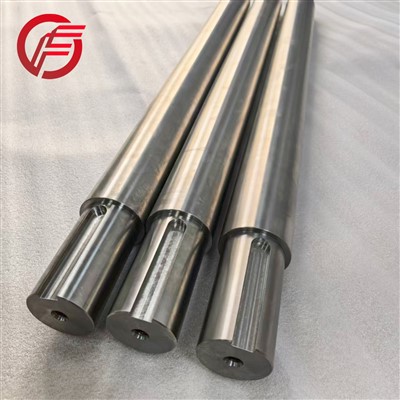 ASTMB348 ASTMB381 Forged Titanium Fan ShaftGrade: Titanium Gr2 Gr5 Gr7 Gr9 Gr12. Standards: ASTM B348, ASTM B381. MOQ: 1pcs for order size. Process: Forging, Rolling, GrindingAdd to Inquiry
 -
 ASTMB265 Titanium Expansion Joint Bellows CompensatorGrade: Titanium Grade 1 or Grade 2 (Ti-CP). Size: DN50~DN4000. MOQ: 1pcs for stock size; 2pcs for order size. Standards: ASTM B265Add to Inquiry
 -
 ASTMB265 Gr1 Titanium Grounding RingGrade: Titanium grade 1 or grade 2 (Ti-CP). Size: DN15~200. MOQ: 5~10pcs for stock size; 20pcs for order size. Standards: ASTMB265Add to Inquiry


Tel: +86-917-3664600
Fax: +86-917-3664600
Email: tina@tmsalloy.com
Add: No.11 South of Baoti Road, Baoji City, Shaanxi Province, P.R. China.
Titanium metal is a type of metal material made from titanium, a strong, lightweight, and corrosion-resistant metal. Titanium, with its excellent strength-to-weight ratio and biocompatibility, is widely used in various industries, and titanium is a specific form that finds applications in diverse fields, such as titanium welding wire, titanium round bar, titanium sheet, titanium flange, titanium bolts, and nuts, etc.
Advantages of a titanium
1. Compared to other materials like stainless steel, titanium is stronger and more durable.
2. It also has a high resistance to corrosion, fatigue, and heat, and it can maintain this strength even under extreme temperatures.
3. Titanium is non-magnetic, which is advantageous in applications where magnetic interference is a concern. This property makes titanium suitable for use in sensitive electronic and medical equipment.
4. Titanium is biocompatible, meaning it is well-tolerated by the human body and does not elicit an immune response. This property makes titanium suitable for medical applications, including surgical implants, orthopedic devices, and dental products.

Titanium Metal: Everything You Need to Know
Titanium is highly resistant to chemical attack and has the highest strength-to-weight ratio of any metal. These unique properties make Titanium suitable for a wide range of applications, such as aerospace engines, industries, construction, architecture, and automobiles. In addition, it is an environment-friendly alloy, so have significant applications in medicine.
Different Grades of titanium metals

Titanium is available in various grades, each designed to meet specific requirements and applications. The most commonly used titanium alloys are classified into several grades, with each grade having distinct characteristics. The American Society for Testing and Materials (ASTM) and the International Organization for Standardization (ISO) provide standards for these grades. Here are some of the commonly recognized grades of titanium:


Common use titanium grade
Gr1: (ASTM B265 Grade 1, UNS R50250):
Commercially Pure Titanium
Excellent corrosion resistance
Soft and ductile
Suitable for applications where formability and corrosion resistance are critical
Gr2: (ASTM B265 Grade 2, UNS R50400):
Commercially Pure Titanium
Similar to Grade 1 but with slightly higher strength
Excellent corrosion resistance
Commonly used in chemical processing and marine applications
Gr3 (ASTM B265 Grade 3, UNS R50550):
Commercially Pure Titanium
Higher strength than Grades 1 and 2
Good corrosion resistance
Used in chemical processing and marine applications
Gr4 (ASTM B265 Grade 4, UNS R50700):
Commercially Pure Titanium
Higher strength and toughness compared to Grades 1-3
Suitable for various industrial applications, including chemical processing
Gr5 (ASTM B265 Grade 5, Ti-6Al-4V, UNS R56400):
Titanium Alloy (6% Aluminum, 4% Vanadium)
High strength and toughness
Excellent corrosion resistance
Widely used in aerospace, medical implants, and marine applications
Gr7: (ASTM B265 Grade 7, Ti-0.15Pd, UNS R52400):
Titanium Alloy (0.12-0.25% Palladium)
Excellent corrosion resistance, particularly in reducing and mildly oxidizing environments
Used in chemical processing and desalination
Gr9: (ASTM B265 Grade 9, Ti-3Al-2.5V, UNS R56320):
Titanium Alloy (3% Aluminum, 2.5% Vanadium)
Good weldability and corrosion resistance
Used in aerospace, chemical processing, and marine applications
Gr12: (ASTM B265 Grade 12, Ti-0.3-Mo-0.8Ni, UNS R53400):
Titanium Alloy (0.3% Molybdenum, 0.8% Nickel)
Excellent corrosion resistance, especially in crevice corrosion
Used in chemical processing and marine applications
|
Gr23: (ASTM F136 Ti-6Al-4V ELI)): Ti-6Al-4V ELI (Extra Low Interstitials), is a titanium alloy that is similar to the more common Ti-6Al-4V alloy. The "ELI" designation signifies "Extra Low Interstitials," indicating a reduced content of interstitial elements, such as oxygen and iron. This reduction enhances the alloy's ductility and fracture toughness, making it particularly suitable for applications in the medical and dental fields where biocompatibility and mechanical strength are crucial. It is widely used in medical and dental applications due to its excellent biocompatibility. |
Different Types of titanium materials:

Titanium wire:
it is a form of wire made from titanium, a metallic element known for its exceptional strength, low density, and corrosion resistance. The wire is typically manufactured through processes like drawing or extrusion, resulting in thin and flexible strands of titanium. It is used for welding applications, particularly in high-performance vehicles and oil and gas industry.

Titanium bar:
titanium round bar is manufactured through processes like forging or extrusion. Titanium bars come in various grades and sizes, and they are known for their high strength, low density, and exceptional corrosion resistance. It is mainly seen in the aerospace sector for manufacturing structural components, landing gear, and engine parts; the medical field for manufacturing implants such as bone plates, screws, and rods; marine applications for constructing ship components, offshore structures, and desalination plants.

Titanium flange:
A titanium flange is a type of mechanical joint or connection device that is made from titanium, a strong, lightweight, and corrosion-resistant metal. Flanges are used to connect pipes, valves, pumps, and other equipment in various industrial applications. Titanium flanges offer specific advantages due to the unique properties of titanium, making them suitable for demanding environments where corrosion resistance and strength are crucial, most commonly used are titanium blind flange, PL titanium flange, etc, it is used in the oil and gas sector, particularly in offshore platforms and subsea equipment.

Titanium fasteners:
including titanium bolts, nuts, and washers, are hardware components made from titanium alloys. These alloys typically contain a combination of titanium with other elements such as aluminum, vanadium, and sometimes nickel. The most commonly used titanium screws are commercial pure Grade2 and titanium alloy Grade5.
Commercially Pure Titanium (Grade 2): Most commonly used for fasteners, it is used in marine environments for its corrosion resistance. They find applications in shipbuilding, offshore platforms, and desalination plants.
Ti-6Al-4V (Grade 5): A widely used titanium alloy with 6% aluminum and 4% vanadium. It offers a good balance of strength, corrosion resistance, and formability. It is used in the automotive sector for high-performance vehicles. They contribute to weight reduction and improved strength in critical components.
Application of titanium metals
Titanium, known for its excellent strength-to-weight ratio, corrosion resistance, and biocompatibility, finds applications across various industries. Here are some key applications of titanium metals:
Aerospace and Aviation
Titanium is widely used in the aerospace industry for manufacturing aircraft components, including structural elements, engine parts, and landing gear. Its high strength and lightweight properties contribute to improved fuel efficiency.
Medical Implants
Titanium's biocompatibility makes it an ideal material for medical implants such as hip and knee replacements, dental implants, and bone screws. Its non-reactive nature minimizes the risk of adverse reactions in the human body.
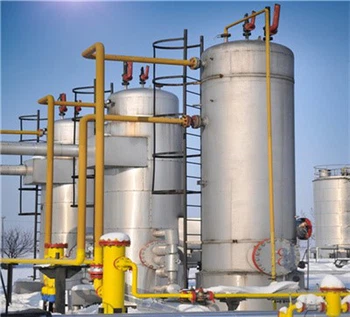
Chemical Processing
Titanium's corrosion resistance makes it suitable for chemical processing applications. It is used to manufacture equipment such as heat exchangers, reactors, and vessels that handle corrosive chemicals.
 |
 |
 |
Marine Applications
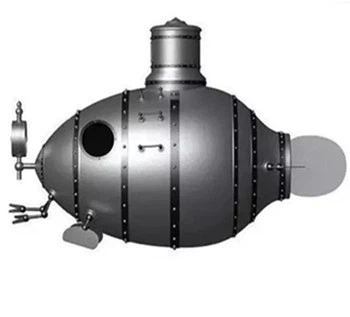
Titanium is employed in marine environments for its corrosion resistance. It is used in the construction of ship components, offshore structures, and desalination plants.
Power Generation
In power plants, titanium is utilized for components that come into contact with high-temperature and corrosive environments. It is used in steam turbines, heat exchangers, and condensers.
Automotive Industry
Titanium finds applications in the automotive sector for manufacturing components in high-performance vehicles. It is used in exhaust systems, valves, and other parts where its lightweight and strong characteristics are advantageous.
 |
 |
 |
Sports Equipment
Titanium is used in the production of sports equipment such as bicycle frames, golf clubs, and tennis rackets. Its strength, durability, and lightweight nature contribute to enhanced performance.
Oil and Gas Exploration
Titanium is employed in the oil and gas industry for components subjected to harsh conditions, including deep-sea drilling equipment. Its corrosion resistance is valuable in these environments.
Electronics and Telecommunications
Titanium may find applications in the electronics industry due to its electrical conductivity and non-magnetic properties. It can be used in the production of electronic components and devices.
 |
 |
 |
Jewelry
Titanium's corrosion resistance and hypoallergenic properties make it a popular material for crafting durable and lightweight jewelry. Titanium jewelry is known for its sleek appearance and comfort.
Desalination Plants
Titanium is used in the construction of desalination plants, particularly for components exposed to seawater. Its corrosion resistance is crucial in this application.
Construction
In the construction industry, titanium may be used in architectural structures and components where corrosion resistance and durability are essential.
FAQ
Q: What is the advantage of using titanium?
High Strength-to-Weight Ratio:
Titanium is known for its exceptional strength-to-weight ratio. It is as strong as some steels but has only about 60% of its density. This property makes titanium a lightweight yet strong material, particularly beneficial in aerospace and automotive applications.
Corrosion Resistance:
Titanium exhibits remarkable corrosion resistance, especially in aggressive environments, such as those with saltwater or corrosive chemicals. This corrosion resistance makes it suitable for marine applications, chemical processing, and various industrial settings.
Biocompatibility:
Titanium is biocompatible and non-toxic, making it well-suited for medical applications. It is widely used in the manufacture of medical implants, such as joint replacements, dental implants, and bone screws, where it minimizes the risk of adverse reactions in the human body.
Excellent Heat Resistance:
Titanium can withstand high temperatures, making it suitable for applications in aerospace engines, power plants, and other environments with elevated temperatures. Its ability to maintain strength at high temperatures contributes to its performance in critical applications.
Low Thermal Expansion:
Titanium has a low coefficient of thermal expansion, meaning it expands and contracts less than other metals when exposed to temperature changes. This property is valuable in applications where dimensional stability is crucial.
Non-Magnetic:
Titanium is non-magnetic, making it suitable for applications in industries such as electronics and telecommunications where magnetic interference needs to be minimized.
Ductility and Formability:
Titanium is ductile and can be easily formed into various shapes without sacrificing its strength. This property allows for the manufacturing of intricate components in aerospace, automotive, and other industries.
Wide Temperature Range:
Titanium maintains its mechanical properties over a wide temperature range. This versatility is advantageous in applications that experience temperature fluctuations, such as in aerospace and industrial processes.
Hypoallergenic Properties:
Titanium is hypoallergenic, making it an ideal choice for jewelry and medical implants. It is less likely to cause allergic reactions or sensitivities in individuals compared to some other metals.
Long-Term Durability:
Titanium's resistance to corrosion, fatigue, and wear contributes to its long-term durability. It can withstand harsh conditions and has a longer service life in comparison to some other materials.
Q: What are the pros and cons of titanium metal?
Q: What are the industrial applications of Ti?
Aerospace and Aviation:
Titanium is extensively used in the aerospace industry for manufacturing aircraft components, including airframes, wings, landing gear, and engine parts. Its high strength-to-weight ratio contributes to improved fuel efficiency.
Medical Implants:
Titanium's biocompatibility makes it an ideal material for medical implants, such as orthopedic implants, dental implants, and surgical instruments. Its corrosion resistance and compatibility with human tissues enhance its use in the medical field.
Chemical Processing:
Titanium is widely used in the chemical processing industry for manufacturing equipment that comes into contact with corrosive substances. This includes reactors, heat exchangers, and vessels used in the production of chemicals.
Oil and Gas Exploration:
Titanium is employed in the oil and gas industry, particularly for components used in harsh environments, such as deep-sea drilling equipment. Its corrosion resistance is valuable in offshore exploration and production.
Marine Applications:
Titanium is used in the construction of marine components, ship hulls, propeller shafts, and desalination plants. Its resistance to corrosion in saltwater environments makes it well-suited for marine applications.
Power Generation:
Titanium is used in power plants for components subjected to high temperatures and corrosive environments. It is employed in gas turbines, steam turbines, heat exchangers, and condensers.
Automotive Industry:
Titanium is used in the automotive sector for manufacturing components in high-performance vehicles. It is employed in exhaust systems, valves, and other parts where its strength and lightweight properties are advantageous.
Q: Why is titanium better than other metals?
Q: What are 5 interesting facts about titanium?
#2) It's Naturally Resistant to Corrosion. ...
#3) It Doesn't Occur Naturally. ...
#4) It's Used for Medical Implants. ...
#5) Only 0.63% of the Earth's Crust Is Titanium. ...
#6) It Has a High Melting Point.
Q: What are the 5 characteristics of titanium?
High Strength-to-Weight Ratio:
Titanium is known for its exceptional strength-to-weight ratio, which means it has high strength while being relatively lightweight. This property makes it particularly advantageous in applications where weight reduction is crucial, such as aerospace components and high-performance sports equipment.
Corrosion Resistance:
Titanium exhibits remarkable corrosion resistance, especially in aggressive environments. It forms a protective oxide layer on its surface that prevents corrosion and rust. This characteristic makes titanium well-suited for applications in marine environments, chemical processing, and medical implants.
Biocompatibility:
Titanium is biocompatible and non-toxic to the human body. This property makes it an ideal material for medical implants, including orthopedic implants, dental implants, and surgical instruments. Titanium's ability to integrate with living tissues without causing adverse reactions is crucial in the medical field.
Low Thermal Expansion:
Titanium has a low coefficient of thermal expansion, meaning it expands and contracts minimally with temperature changes. This characteristic is valuable in applications where dimensional stability is essential, particularly in environments with temperature variations.
Non-Magnetic:
Titanium is non-magnetic, meaning it is not attracted to magnets. This property makes it suitable for applications in industries such as electronics and telecommunications where magnetic interference needs to be minimized. Non-magnetic characteristics are also beneficial in certain medical and scientific equipment.
These five characteristics highlight the unique properties of titanium that contribute to its versatility and effectiveness in a wide range of industries. Whether in aerospace, medical, automotive, marine, or other applications, these characteristics make titanium a valuable material for various critical components and structures.
Q: Can titanium last 1000 years?
Corrosion Resistance:
Titanium is known for its excellent corrosion resistance, especially in environments with corrosive elements. However, the degree of corrosion resistance may vary based on the specific alloy and the conditions to which it is exposed. In most cases, titanium will resist corrosion for an extended period, but the exact time frame can depend on factors like pH, temperature, and the presence of specific chemicals.
Maintenance and Care:
The longevity of titanium structures also depends on proper maintenance and care. Regular inspections, maintenance routines, and prompt repairs can significantly extend the lifespan of titanium components.
Environmental Conditions:
The environmental conditions in which titanium is placed can affect its durability. Extreme temperatures, exposure to chemicals, and other environmental factors may influence the material's long-term performance.
Mechanical Stresses:
Mechanical stresses, including fatigue and wear, can impact the structural integrity of titanium over time. The material's resistance to such stresses is generally high, but the specific application and loading conditions must be considered.
Alloy Composition:
Different titanium alloys may have varying properties, including corrosion resistance, strength, and durability. The specific alloy used in a particular application can influence how well it withstands the test of time.
While titanium is known for its long-term durability, predicting its exact performance over 1000 years is challenging due to the numerous variables involved. In many practical applications, titanium has demonstrated excellent longevity, especially in comparison to other materials, and it is often chosen for its resistance to corrosion and wear. Engineers and material scientists carefully consider these factors when selecting materials for applications where long-term durability is critical.
Q: Why are titanium bolts expensive?
Raw Material Cost:
Titanium is more expensive as a raw material compared to steel or aluminum. Extracting and processing titanium ore is a complex and energy-intensive process, contributing to higher material costs.
Processing Challenges:
The machining and processing of titanium are more challenging than for other metals. Titanium's high strength and low thermal conductivity make it difficult to cut and shape using conventional machining methods. Specialized equipment and tools are often required, increasing production costs.
Tool Wear:
The hardness of titanium causes more wear on cutting tools during the machining process. The need for frequent tool replacement adds to the overall production costs.
Limited Supply and Demand:
Titanium is not as abundant as other metals like steel or aluminum. Its limited supply and the relatively low demand compared to more common metals contribute to its higher price.
Energy Consumption:
The production of titanium involves energy-intensive processes, including the extraction of titanium ore and the reduction of titanium tetrachloride. The energy requirements for titanium production are higher than those for steel or aluminum.
Specialized Knowledge and Equipment:
Working with titanium requires specialized knowledge and equipment due to its unique properties. The expertise needed for handling and machining titanium adds to the overall cost of production.
Density and Yield Strength:
The high strength-to-weight ratio of titanium is desirable in many applications, but it also means that a smaller volume of titanium material is needed to achieve the same strength as a larger volume of steel. As a result, the cost per unit weight can be higher for titanium.
Corrosion Resistance:
Titanium's excellent corrosion resistance makes it suitable for applications in harsh environments. The added value of corrosion resistance contributes to the higher cost of titanium bolts compared to materials that may require additional coatings for protection.
Market Demand and Niche Applications:
The demand for titanium bolts is often driven by specific industries, such as aerospace, medical, and high-performance sports. The niche nature of these applications can result in a smaller market volume, which may contribute to higher unit costs.
Quality Assurance:
Titanium bolts are often produced to higher quality standards to meet the demands of critical applications. Quality assurance measures, testing, and certifications contribute to the overall cost.
Despite the higher cost, the advantages of titanium, including its lightweight nature, high strength, and corrosion resistance, make it a preferred material in certain applications where these properties are crucial, such as aerospace, medical implants, and high-performance racing vehicles.
Q: What is Grade 7 titanium?
Q: What is the difference between titanium Grade 7 and 11?
Titanium Grade 11 (Ti-0.15Pd, Grade 11, UNS R52250)
Titanium Grade 7 and 11 are identical except that grade 11 contains fewer impurities; especially iron and oxygen. For this reason, Titanium grade 11 would show, even if trivially, higher corrosion resistance. In oxidative environments, titanium forms a protective oxide layer (TiO2) that is highly stable and passive.
Q: What is the difference between titanium Grade 2 and 12?
Titanium Grade 12 (UNS R53400)
This Titanium Grade 12 alloy is similar to Titanium Grades 2 and 3 except that Titanium Grade 12 has 0.3% molybdenum and 0.8% nickel. This offers enhanced corrosion resistance.
Q: What wire do you use to weld titanium?
Baoji Fairy Titanium Industry Co., Ltd. is one of the most professional titanium manufacturers and suppliers in China, featured by quality products and low price. Please rest assured to buy or wholesale bulk customized titanium made in China here from our factory.
