

Nickel
Baoji Fairy Titanium Industry Co., Ltd. is a leading manufacturer & supplier known predominantly for the core products titanium, nickel, zirconium, molybdenum, and tantalum. Located in the Titanium Valley of China, Baoji City, Shaanxi Province, Fairy Titanium specializes in offering high-quality corrosion-resistant nonferrous metal products.
Quality Assurance: All metal materials we use must be inspected by professional QC. We strictly inspect the product according to the national standard before shipment.
Our production meets all ASTM and industry-specific standards. Our dedication to the highest possible quality control and lot-to-lot consistency is matched by our goal to be at the forefront of metal suppliers.
Various Types: Our metal products can be of various types to suit your specific corrosion-resisting needs, including titanium nickel zirconium wires, bars, sheets, flanges, fasteners, and more, each of which can be custom-designed and manufactured to suit the specific usage environment.
Wide Range of Applications: We specialize in offering high-quality titanium-nickel-zirconium material that caters to different industries, as well as extraordinary resistance to corrosion, wear, and heat, such as Power Plants, Aerospace, Chemical Processing, Furnace Components, Medical Equipment, Metallurgy, Research And Development, and Semiconductor.
Professional Technical Team and Rich Experience: We have been in nickel metal manufacturing for more than 10 years. We offer engineers who provide you with professional metal advice services.
-
 2.0 Ni200 Pure Nickel WirePure nickel wire. Purity 99.6%. Grade: Ni200 Ni201. MOQ:1KGAdd to Inquiry
-
 ASTMB162 99.96% Stamped Diamond Nickel MeshNickel mesh. Ni200 Ni201. MOQ 10PCS. 3X6 4X8 7X13 etc. Purity above 99.5%Add to Inquiry
-
 0.2mm 0.3mm Cr20ni80 Nichrome Wire Nichrome 80 WiresNicr8020. Ultimate Strength above 490 MPa. Elongation above 10%. Ni (Min)88%. Wire size 0.02-10mmAdd to Inquiry
-
 99.6% Purity Nickel 200 WireGrade: Ni200 Ni201. Melting Point 1455°C. Purity 99.6%. MOQ 1~2kgAdd to Inquiry
-
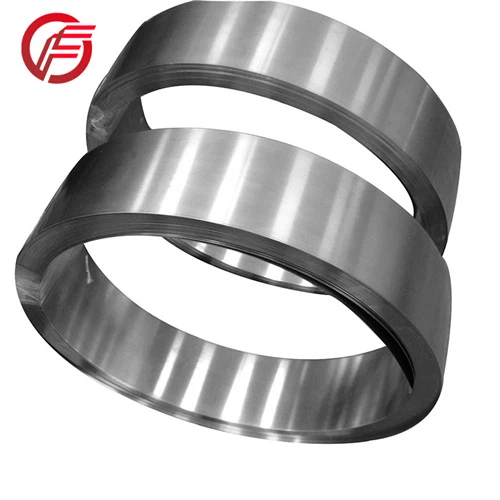
 Nickel 201 Strip ASTM B162Nickel 201 is a high-purity, commercially pure, solid-solution nickel alloy.It is the low-carbon version of nickel 200, providing improved resistance to corrosion and stress corrosion cracking,Add to Inquiry
-

-

-

-
 AWS A5.14 ERNi1 Nickel Welding WireNickel mig wire. Grade: ERNI-1, ERNICu-T, ERNICo-8. Standards: according to AWS A5.14. Nickel 99 mig wire. Nickel filler rodAdd to Inquiry
-
 UNS N02201 High purity nickel 201 WirePure Nickel wire 201. Purity 99.9%. 0.025mm-6mm. MOQ 1~10KGAdd to Inquiry
-
 ASME ANSI B16.9 Nickel Stub EndNickel long stub end. Nickel short stub end. MSS SP-43 ASME B16.9. Nickel Buttweld Stub Ends. Nickel collar. Nickel Lap Joint Stub EndAdd to Inquiry
-
 ANSI B16.9 Nickel 200/201 Nickel Pipe FittingsNickel pipe and fittings. Nickel pipe fittings. Nickel 90-degree elbow. Nickel alloy fittings. Nickel alloy pipe fittings. Nickel elbow. Nickel 200 pipe fittingsAdd to Inquiry


Tel: +86-917-3664600
Fax: +86-917-3664600
Email: tina@tmsalloy.com
Add: No.11 South of Baoti Road, Baoji City, Shaanxi Province, P.R. China.
Products Introduction
Magnetic Properties:
Nickel is ferromagnetic at room temperature, which means it has magnetic properties. This characteristic is utilized in the production of magnets and magnetic alloys, contributing to applications in electronics and various industrial sectors.
Corrosion Resistance: Nickel exhibits excellent corrosion resistance, making it ideal for harsh environments. This property is especially valuable in producing corrosion-resistant alloys, such as stainless steel, which is widely used in construction, transportation, and manufacturing.
High Melting Point: Nickel has a relatively high melting point, making it suitable for applications that involve high temperatures, such as in the aerospace and nuclear industries. Its ability to maintain structural integrity at elevated temperatures enhances its utility in critical applications.

Nickel Metal: Everything You Need To Know

Nickel is a naturally occurring metallic element that is shiny and silvery-white with a gold tinge. Its atomic weight is 58.71, its atomic number is 28, a symbol Ni, and five stable isotopes. It is solid at room temperature, has a boiling point of 2730°C and a melting point of 1455°C.
Ductility and Toughness: Nickel is known for its ductility and toughness, allowing it to withstand deformation without breaking. This property makes it valuable in various manufacturing processes, including metal forming and fabrication.
Magnetic Properties: Nickel is ferromagnetic at room temperature, which means it has magnetic properties. This characteristic is utilized in the production of magnets and magnetic alloys, contributing to applications in electronics and various industrial sectors.
Different Grades of NICKEL metals
 There are different grades of nickel, and each is made to fit particular needs and uses. The two most widely used nickel grades, Ni200 and Ni201, have various properties. Standards for these levels are provided by the International Organization for Standardization (ISO) and the American Society for Testing and Materials (ASTM). Some of the acknowledged nickel grades are as follows:
Pure Nickel:
Grade: Nickel 200, Nickel 201
Description: These are commercially pure forms of nickel with high corrosion resistance. Nickel 201 has a lower carbon content, making it suitable for applications requiring enhanced ductility.
Nickel-Copper Alloys:
Grade: Monel 400
Description: Monel 400 is a nickel-copper alloy known for its excellent corrosion resistance in various environments, including seawater. It is often used in marine and chemical processing applications.
Nickel-Chromium Alloys:
Grade: Inconel 600, Inconel 625, Inconel 718
Description: These nickel-chromium alloys offer high-temperature strength and corrosion resistance. Inconel alloys find applications in aerospace, chemical processing, and high-temperature environments.
Nickel-Iron Alloys:
Grade: Invar (36% Nickel)
Description: Invar has a low coefficient of thermal expansion, making it ideal for applications requiring dimensional stability over a wide temperature range. Commonly used in precision instruments and electronics.
Nickel-Molybdenum Alloys:
Grade: Hastelloy C-276
Description: Hastelloy C-276 is highly corrosion-resistant and suitable for use in aggressive chemical environments, including those containing sulfuric and hydrochloric acids.
Nickel-Chromium-Iron Alloys:
Grade: Incoloy 800, Incoloy 825
Description: These alloys offer a combination of high-temperature strength and corrosion resistance. Incoloy 800 is used in heat-treating equipment, while Incoloy 825 is resistant to corrosive environments, including acidic conditions.
Nickel-Titanium Alloys (Nickel Titanium, NiTi, Nitinol):
Grade: Nitinol
Description: Known for its unique shape memory and superelastic properties, Nitinol finds applications in medical devices, such as stents and guidewires.
Different Types of NICKEL materials:

Nickel wire: Nickel wire is a fine wire-like material made of pure nickel or nickel alloy. Nickel has strong corrosion resistance, so nickel wire can maintain stability in harsh environments and is not easy to rust or corrode. Nickel wire has good ductility and is easy to draw into fine wires, suitable for various processing techniques; it is widely used as a heating element in electric heaters due to its stability and conductivity at high temperatures.
Nickel bar: A nickel bar is a cylindrical material made of pure nickel or nickel alloy. Nickel has good corrosion resistance in many corrosive environments, which makes nickel rods widely used in the chemical industry and marine environments. Nickel rods are used to manufacture components such as connectors, resistors, and generators in power equipment due to their conductivity and high-temperature stability.
Nickel foil: Nickel foil is a thin and flexible foil-like material of pure nickel or nickel alloy. Nickel has good conductivity, so nickel foil is commonly used in electronic devices, conductive materials, and other fields. it is widely used in fields such as electronics, aerospace, and chemical engineering due to its thin, flexible, corrosion-resistant, and conductive properties.
Application of nickel metals
Nickel is widely used in various applications, including household appliances, industrial furnaces, and electronic devices due to its high melting point and resistance to oxidation. Here are some key applications of nickel metals:
Aerospace Industry:
Nickel bars, especially in alloy forms, are used in the aerospace industry for their high-temperature strength and corrosion resistance in components like turbine blades.
Chemical Processing:
Nickel bars are employed in chemical processing equipment where resistance to corrosive environments is crucial. Alloys like Hastelloy are suitable for such applications.
Marine Industry:
Nickel bars, especially those in nickel-copper alloys like Monel, are used for their resistance to seawater corrosion in shipbuilding and offshore structures.
Nickel foil is employed in various types of batteries, including rechargeable batteries, where it serves as a current collector due to its conductivity and ability to withstand corrosion.
Flexible Electronics:
Due to its malleability and ductility, nickel foil is used in flexible electronics, such as flexible printed circuits and RFID tags.
Sensor Technology:
Nickel foil is utilized in sensor applications where its electrical properties are crucial for accurate signal detection and transmission.
Electronics and Electrical Components:
Nickel wire is utilized as a resistance wire in electrical components like resistors. Its electrical resistance properties make it suitable for regulating the flow of electric current.
In the electronics industry, nickel wire is used for making connectors, leads, and other components where its electrical conductivity is crucial.
Thermocouples:
Nickel wire is often used in the construction of thermocouples, which are devices that measure temperature based on the electrical voltage generated by the junction of different metals.
FAQ
Q: What are 3 important uses of nickel?
It is employed in the fabrication of nickel wires.
It is utilized in gas turbines and rocket engines due to its ability to withstand corrosion even at high temperatures,
Q: What is nickel MIG wire used for?
Nickel Alloy Welding:
Nickel alloys, which are materials renowned for their exceptional corrosion resistance, high-temperature strength, and durability, are frequently welded with nickel MIG wire. Applications for nickel alloys are widespread in the chemical processing, aerospace, and marine industries.
Connecting Unlike Metals:
For welding applications requiring the joining of dissimilar metals, nickel MIG wire is appropriate. It can be used to create strong and dependable welds between different materials because it is compatible with a variety of base metals.
Uses at High Temperatures:
Due to the exceptional high-temperature characteristics of nickel and nickel alloys, nickel MIG wire can be used in welding situations where the welded components will be subjected to high temperatures. Applications in the petrochemical, power generation, and aerospace industries are included in this.
Welding that Resists Corrosion:
When corrosion resistance is a crucial consideration, nickel MIG wire is utilized. Because of their exceptional corrosion resistance, nickel and its alloys are appropriate for welding components that will come into contact with corrosive materials or harsh conditions.
Equipment for Chemical Processing:
When it comes to welding components used in chemical processing equipment, nickel MIG wire is the favored option due to its corrosion resistance and high-temperature qualities. Applications in the synthesis of chemicals, petrochemicals, and medicines fall under this category.
Offshore and Marine Welding:
Nickel MIG wire is utilized in welding operations for marine and offshore structures because of its resistance to corrosion from seawater. Shipbuilding, offshore platforms, and other parts exposed to abrasive marine environments fall under this category.
It's crucial to remember that the particular kind of nickel MIG wire selected will depend on the needs of the welding application, including the base metals to be joined, the desired weld characteristics, and the environmental circumstances the welded components will face.
Q: What is nickel wire used for?
Resistance Wire: In electrical components like resistors and heating elements, nickel wire is widely utilized as a resistance wire. It is appropriate for various applications because of its consistent electrical resistance and capacity to tolerate high temperatures.
Heating Elements: Electric stoves, toasters, and electric furnaces are among the equipment that use nickel wire as their heating element. It is the perfect material for various heating applications because of its high melting point and resistance to oxidation at high temperatures.
Electronics: Because nickel wire has strong electrical conductivity and corrosion resistance, it is utilized in the electronics industry to make connectors, leads, and conductive parts.
Electroplating: A popular material used in electroplating procedures is nickel wire. In nickel plating baths, where a layer of nickel is deposited onto the surface of another metal for reasons like corrosion resistance or enhanced beauty, it is frequently employed as the anode or cathode.
Chemical Industry: Nickel wire is appropriate for use in the chemical industry due to its corrosion resistance. It is used in the production of pipes, valves, and apparatus used in chemical processing that come into contact with corrosive materials.
Q: What is nickel foil used for?
Q: What is the difference between nickel Ni200 and Ni201?
Chemical composition: Ni200 has 99.0% nickel and a maximum of 0.15% permitted impurity concentration. In comparison to Ni201, this indicates that Ni200 has a higher purity level. Applications: Ni200 is frequently employed in situations where the presence of ultralow impurity levels is essential. It is frequently used in the fabrication of chemical processing equipment, precision resistors, and electronic components where strong corrosion resistance is required.
The chemical composition of Ni201 is slightly higher in impurities than that of Ni200, although it is still a commercially pure grade of nickel. With a maximum permitted impurity level of 0.02%, Ni201 is made up of 99.2% nickel. Ni201 is less pure than Ni200 due to its increased impurity concentration. Applications: Applications where the exceptionally low impurity levels of Ni200 are not required can benefit from the use of Ni201. Although the price difference between Ni200 and Ni201 is a factor, it is frequently employed in chemical processing, especially in settings where corrosion resistance is essential. Ni200 and Ni201 differ mostly in their impurity concentration, to sum up. Higher-purity nickel grade Ni200 has a lower allowed impurity level (0.15%), but slightly higher impurity content (0.02%) is found in Ni201.
The individual needs of the application will determine which of the two grades to use: Ni200 is preferred in cases where extremely high purity is required, while Ni201 is a more economical choice in cases where a somewhat lower degree of purity is acceptable.
Q: What is a nickel bar used for?
It also has good corrosion resistance in many corrosive environments, which makes nickel rods widely used in the chemical industry and marine environments, such as turbine blades, burners, connectors, resistors, generators in power equipment, etc.
Q: Which nickel grades are suitable for highly corrosive chemical environments?
A: Nickel 200 and Nickel 201 are widely used in chemical processing equipment due to their excellent corrosion resistance, particularly in caustic soda, alkaline solutions, and various reducing chemical environments. Nickel 200 (UNS N02200) is ideal for conventional chemical applications operating below 315°C, while Nickel 201 (UNS N02201), with its lower carbon content, is preferred for prolonged high-temperature service above 315°C because of its improved resistance to carbon-related embrittlement. Both grades are commonly manufactured into nickel plates, sheets, rods, bars, tubes, and strips for chemical storage tanks, reactors, pipelines, evaporators, and heat exchangers. When selecting Nickel 200 or Nickel 201, factors such as chemical concentration, operating temperature, corrosion conditions, and mechanical requirements should be carefully evaluated to ensure reliable performance, long service life, and cost-effective operation in industrial chemical environments.
Q: Why is nickel preferred for handling caustic soda and alkaline solutions?
A: Nickel is preferred for handling caustic soda (sodium hydroxide, NaOH) and alkaline solutions because of its excellent corrosion resistance, chemical stability, and ability to maintain reliable performance in both concentrated and dilute alkaline environments. Commercially pure nickel grades, particularly Nickel 200 (UNS N02200) and Nickel 201 (UNS N02201), offer outstanding resistance to caustic corrosion, even under many elevated-temperature operating conditions. Unlike carbon steel and some stainless steel grades, nickel provides better protection against corrosion in many hot caustic soda applications, helping extend equipment service life, reduce maintenance costs, and minimize product contamination.
These properties make nickel an ideal material for manufacturing chemical storage tanks, reactors, evaporators, heat exchangers, pipelines, pumps, and valves used in caustic soda production and alkaline chemical processing.
Q: Can pure nickel withstand sulfuric acid and hydrochloric acid environments?
A: Pure nickel, particularly Nickel 200 (UNS N02200) and Nickel 201 (UNS N02201), can withstand certain sulfuric acid and hydrochloric acid environments, but its corrosion resistance depends heavily on acid concentration, temperature, aeration, and operating conditions. In sulfuric acid environments, pure nickel generally performs better under reducing conditions and at selected concentrations and temperatures, but its corrosion resistance can decrease significantly in hot, concentrated, or strongly oxidizing solutions. In hydrochloric acid environments, pure nickel may offer resistance under certain controlled conditions, but it is generally not the first choice for highly concentrated or hot hydrochloric acid applications.
For more aggressive acid-processing environments, nickel-based alloys such as Hastelloy B-3, Hastelloy C-276, and other specialized corrosion-resistant alloys may provide better protection. Therefore, when selecting nickel materials for chemical reactors, storage tanks, pipelines, and heat exchangers, engineers should carefully evaluate the acid concentration, operating temperature, and chemical composition to ensure long-term corrosion resistance, equipment reliability, and cost-effective operation.
Q: How are nickel alloy tubes used in chemical heat exchangers?
A: Nickel alloy tubes are widely used in chemical heat exchangers to transfer heat between different fluids while providing excellent corrosion resistance, thermal stability, and reliable mechanical performance in demanding industrial environments. They are particularly suitable for handling corrosive chemicals, high-temperature fluids, and chloride-containing media that may cause premature corrosion in conventional materials. Depending on the operating conditions, nickel alloys such as Nickel 200, Nickel 201, Monel 400, Inconel 600, and Inconel 625 can be selected for different heat exchanger applications.
These tubes are commonly used in shell-and-tube heat exchangers, condensers, evaporators, and chemical cooling systems to heat or cool acids, alkaline solutions, process liquids, and industrial gases. Their excellent resistance to corrosion, oxidation, and thermal stress helps reduce leakage risks, minimize maintenance requirements, and extend equipment service life. When selecting nickel alloy tubes, engineers should consider the chemical composition of the process fluids, operating temperature, pressure, heat-transfer requirements, and applicable material standards to ensure safe and efficient heat exchanger performance in chemical processing industries.
Q: Why is nickel foil used in battery manufacturing?
A: Nickel foil is widely used in battery manufacturing because of its excellent electrical conductivity, corrosion resistance, mechanical strength, and good electrochemical stability. It serves as an important current-collecting material, conductive substrate, and support component in various battery systems, including nickel-metal hydride (NiMH), nickel-cadmium (NiCd), and certain lithium-ion batteries. Its thin, lightweight structure helps reduce battery weight while maintaining efficient electron transfer and reliable electrical connections.
Nickel foil also offers good ductility and flexibility, making it suitable for precision stamping, cutting, welding, coating, and other battery electrode manufacturing processes. In addition, its corrosion resistance and thermal stability contribute to improved battery reliability and service life under demanding operating conditions. Available in different thicknesses, widths, and surface finishes, high-quality nickel foil is widely used in battery electrodes, battery tabs, current collectors, and energy storage components, making it an important material for manufacturers seeking efficient, durable, and reliable battery solutions.
Q: Why Is Nickel Wire Used in Electrical Resistance Components?
A: Nickel wire is widely used in electrical resistance components because of its good electrical resistance, thermal stability, corrosion resistance, and mechanical strength. It can convert electrical energy into heat efficiently when an electric current passes through it, making it suitable for various heating and electrical applications. Its reliable performance under elevated temperatures helps ensure stable operation and long service life in demanding industrial environments.
One of the main advantages of nickel wire is its ability to maintain relatively stable electrical and mechanical properties under different operating conditions. It also offers good oxidation and corrosion resistance, allowing it to withstand repeated heating and cooling cycles. These properties make nickel wire a practical material for manufacturing electrical heating elements, resistance wires, industrial furnaces, thermal sensors, and other electrical components.
Q: How Is Nickel Foil Used in Electronic Shielding Applications?
A: Nickel foil is widely used in electronic shielding applications because of its electrical conductivity, magnetic properties, corrosion resistance, and excellent workability. It helps protect sensitive electronic components from electromagnetic interference (EMI) and unwanted electrical noise that can affect the performance, stability, and reliability of electronic devices. Its thin and flexible structure makes it suitable for precision shielding applications where lightweight materials and limited installation space are important.
One of the main applications of nickel foil is electromagnetic interference shielding in electronic equipment. It can be used as a shielding layer, conductive covering, or protective component in electronic enclosures, circuit boards, connectors, cables, and communication devices. Nickel foil helps reduce electromagnetic radiation and interference between electronic components, supporting stable signal transmission and improving the overall electromagnetic compatibility (EMC) of electronic systems. Its magnetic properties can also contribute to magnetic field shielding, although shielding effectiveness depends on foil thickness, frequency, permeability, and installation design.
In addition, nickel foil offers good corrosion resistance and mechanical flexibility, making it suitable for electronic components that require reliable performance over extended service periods. It can be processed through cutting, stamping, laminating, welding, and other precision manufacturing techniques to produce customized shielding parts. High-purity nickel foil is also used in specialized electronic devices, sensors, and advanced electrical components where material consistency and dimensional accuracy are essential.
Q: How Does Nickel Contribute to the Performance of Battery Electrodes?
A: Nickel plays a vital role in battery electrode performance due to its excellent electrical conductivity, electrochemical activity, corrosion resistance, and mechanical strength. It is widely used in NiMH, NiCd, and lithium-ion batteries, particularly in NMC and NCA cathode materials, where higher nickel content can improve energy density and battery capacity. Nickel foil, strips, mesh, and foam are also used as conductive substrates, current collectors, and electrode supports, helping improve electrical connections and electrochemical efficiency. These materials are widely applied in electric vehicles, portable electronics, and energy storage systems. When selecting nickel materials for battery manufacturing, key factors include purity, thickness, surface finish, porosity, conductivity, and chemical compatibility to ensure consistent quality and reliable battery performance.
Q: How Are Nickel-Chromium Wires Used in Industrial Heating Systems?
A: Nickel-chromium (NiCr) wires are widely used in industrial heating systems because of their high electrical resistivity, excellent oxidation resistance, thermal stability, and ability to withstand elevated operating temperatures. When electric current passes through NiCr wire, its electrical resistance generates heat efficiently, making it an ideal material for converting electrical energy into thermal energy. Common grades, such as NiCr 80/20 (80% nickel and 20% chromium), are particularly popular for manufacturing industrial heating elements due to their reliable heating performance and long service life.
In industrial applications, nickel-chromium wires are commonly used in electric furnaces, heat-treatment equipment, industrial ovens, drying systems, ceramic kilns, and laboratory heating devices. They can be manufactured into coils, spirals, and customized heating elements according to different equipment designs and temperature requirements. Their excellent resistance to oxidation at high temperatures helps reduce material degradation during repeated heating and cooling cycles, ensuring stable operation and minimizing maintenance requirements.
Q: Why Is NiCr 80/20 Wire Commonly Used in Electric Heating Elements?
A: NiCr 80/20 wire, consisting of approximately 80% nickel and 20% chromium, is one of the most widely used resistance heating materials because of its high electrical resistivity, excellent oxidation resistance, thermal stability, and ability to withstand elevated temperatures. When electric current passes through the wire, its electrical resistance converts electrical energy into heat efficiently, making it an ideal material for manufacturing electric heating elements.
One of the main advantages of NiCr 80/20 wire is its excellent resistance to oxidation at high temperatures. The chromium content helps form a protective chromium oxide layer on the wire surface, reducing further oxidation and material degradation during prolonged heating. This protective layer also helps extend the service life of heating elements, even under repeated heating and cooling cycles.
In addition, NiCr 80/20 wire offers relatively stable electrical resistance, good mechanical strength, and reliable performance under continuous heating conditions. Compared with many conventional resistance materials, it provides a good combination of heating efficiency, durability, and temperature resistance. These characteristics make it suitable for industrial furnaces, electric ovens, household appliances, laboratory equipment, ceramic kilns, and various industrial heating systems.
NiCr 80/20 wire can be manufactured into different diameters, coils, spirals, and customized heating elements to meet specific equipment requirements. When selecting this material, manufacturers should consider wire diameter, electrical resistivity, maximum operating temperature, surface condition, and heating element design to achieve consistent heat output and long-term operational reliability.
Q: What Are the Applications of Nickel Foil in Energy Storage Systems?
A: Nickel foil is an important functional material in energy storage systems because of its good electrical conductivity, corrosion resistance, mechanical strength, and excellent ductility. Its thin, lightweight structure makes it suitable for battery manufacturing, where efficient electrical connections, reliable current transfer, and compact component designs are essential. Nickel foil is commonly used in nickel-metal hydride (NiMH), nickel-cadmium (NiCd), and selected lithium-ion battery systems.
One of the main applications of nickel foil is as a conductive substrate and electrode support in battery manufacturing. It provides a stable surface for electrode materials and helps facilitate efficient electron transfer during charging and discharging. In nickel-based batteries, nickel foil can be used in electrode structures and conductive components, while its corrosion resistance and mechanical stability help maintain reliable performance over repeated charge-discharge cycles.
Nickel foil is also used in battery current collection and electrical connection components. It can be processed into battery tabs, connecting strips, and other conductive parts to establish reliable electrical pathways between battery cells and external circuits. Its flexibility and good weldability make it suitable for precision cutting, stamping, and welding processes used in automated battery assembly.
In addition, nickel foil has applications in advanced energy storage technologies, including specialized electrochemical devices and research-oriented battery systems. Depending on the battery chemistry and design, nickel-based materials can contribute to improved conductivity, structural stability, and electrode performance. With the growing demand for electric vehicles, renewable energy storage, and portable electronic devices, nickel foil continues to be an important material for battery and energy storage manufacturers.
Q: What are the applications of nickel rods in marine pumps and valves?
A: Nickel rods are used in marine pumps and valves because of their excellent corrosion resistance, mechanical strength, and reliable performance in demanding marine environments. Ships, offshore platforms, and seawater processing systems are frequently exposed to seawater, chloride-containing solutions, moisture, and fluctuating temperatures, which can accelerate the corrosion of conventional metal components. Nickel and nickel-based alloys provide suitable material solutions for manufacturing critical pump and valve parts that require durability and resistance to aggressive operating conditions.
One of the main applications of nickel rods is the manufacturing of marine pump shafts, valve stems, valve components, and precision-machined fittings. These components must withstand continuous operation, mechanical loads, fluid pressure, and exposure to corrosive seawater. Depending on the service environment, materials such as Monel 400, Nickel 200, Inconel 625, and other nickel-based alloys can be selected to provide the required combination of corrosion resistance, strength, and wear performance.
Q: Which nickel grade is best for caustic alkali applications?
A: Nickel 200 (UNS N02200) and Nickel 201 (UNS N02201) are among the best commercially pure nickel grades for caustic alkali applications, particularly in sodium hydroxide (NaOH) and potassium hydroxide (KOH) processing environments. Both grades offer excellent corrosion resistance to alkaline solutions, making them widely used in chemical storage tanks, reactors, evaporators, heat exchangers, pipelines, and caustic soda production equipment.
Nickel 200 is commonly selected for general caustic alkali applications because of its excellent resistance to alkaline corrosion and good mechanical properties. It performs reliably in many dilute and concentrated caustic solutions under suitable operating conditions, helping reduce equipment corrosion, maintenance costs, and replacement frequency.
Nickel 201, with its significantly lower carbon content, is preferred for high-temperature caustic alkali applications, particularly when equipment operates above approximately 315°C (600°F). Its low carbon content reduces the risk of graphite precipitation and carbon-related embrittlement during prolonged high-temperature exposure, making it suitable for hot caustic processing equipment.
Q: What is the difference between pure nickel and nickel-based superalloys?
A: Pure nickel and nickel-based superalloys serve different industrial purposes. Pure nickel, particularly Nickel 200 and Nickel 201, is valued for its excellent corrosion resistance in alkaline environments, electrical conductivity, and good fabrication properties. Nickel-based superalloys, including Inconel and Hastelloy grades, are designed for more demanding applications requiring high strength, oxidation resistance, and reliable performance at elevated temperatures.
Q: How do Nickel 200 and Monel 400 differ in corrosion resistance?
A: Nickel 200 and Monel 400 offer excellent corrosion resistance but serve different industrial requirements. Nickel 200 is particularly suitable for caustic soda, alkaline solutions, and selected chemical processing applications, while Monel 400 provides superior performance in seawater, marine environments, and hydrofluoric acid handling under appropriate conditions.
Q: When should Inconel 600 be selected instead of pure nickel?
A: Inconel 600 should be selected instead of pure nickel when industrial equipment requires superior high-temperature oxidation resistance, better mechanical strength, and reliable performance in carburizing or certain oxidizing environments. Its excellent thermal stability makes it widely used in industrial furnaces, heat exchangers, chemical reactors, and heat-treatment equipment. In contrast, Nickel 200 and Nickel 201 are more suitable for applications requiring high-purity nickel and excellent resistance to caustic alkalis. The final material selection should consider operating temperature, chemical composition, corrosion conditions, mechanical requirements, and fabrication methods.



Elliptical head test report

Gr1Eli RoHS test report

Gr1 Eli ASTM F67 test report

Nickel wire REACH test report

Gr12 titanium plate 3rd party test

Nickel wire 3rd party test

Nickel wire test report

Zirconium702 tube 3rd party test


Baoji Fairy Titanium Industry Co., Ltd. is one of the most professional nickel manufacturers and suppliers in China, featured by quality products and low price. Please rest assured to buy or wholesale bulk customized nickel made in China here from our factory.
