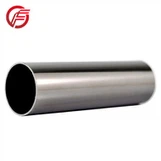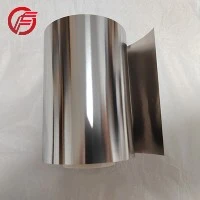

Tantalum is a rare, hard, blue-gray, lustrous transition metal that is highly corrosion-resistant. It is widely used in various industries, including electronics, aerospace, and chemical processing. However, due to its limited availability and high cost, there is a growing interest in finding substitutes for tantalum. As a tantalum supplier, I understand the importance of exploring alternative materials to meet the diverse needs of our customers. In this blog post, I will discuss some of the potential substitutes for tantalum and their applications.
1. Niobium
Niobium, also known as columbium, is a chemical element with the symbol Nb and atomic number 41. It is a soft, gray, ductile transition metal that is chemically similar to tantalum. Niobium is often used as a substitute for tantalum in capacitors, as it has similar electrical properties and is more abundant and less expensive. Niobium capacitors are commonly used in mobile phones, laptops, and other electronic devices.
Advantages of Niobium as a Tantalum Substitute
- Cost - Niobium is more abundant than tantalum, which makes it less expensive. This cost-effectiveness can be a significant advantage for manufacturers looking to reduce production costs.
- Similar Properties - Niobium has similar electrical and chemical properties to tantalum. It has a high melting point, good corrosion resistance, and can be used in high - performance applications.
- Availability - The global supply of niobium is more stable compared to tantalum, reducing the risk of supply chain disruptions.
Limitations of Niobium as a Tantalum Substitute
- Performance in High - End Applications - While niobium can perform well in many applications, it may not be suitable for some high - end applications where the unique properties of tantalum are required. For example, in some aerospace and military applications, tantalum's superior performance under extreme conditions may be necessary.
- Oxidation Resistance - Niobium has slightly lower oxidation resistance compared to tantalum, which may limit its use in certain environments.
2. Titanium
Titanium is a chemical element with the symbol Ti and atomic number 22. It is a strong, lightweight, and corrosion - resistant metal. Titanium is used in a wide range of applications, including aerospace, medical, and automotive industries. In some cases, it can be used as a substitute for tantalum, especially in applications where corrosion resistance and strength are important.
Advantages of Titanium as a Tantalum Substitute
- Lightweight - Titanium is much lighter than tantalum, which can be an advantage in applications where weight is a critical factor, such as aerospace and automotive industries.
- Corrosion Resistance - Titanium has excellent corrosion resistance, especially in harsh environments. It can resist corrosion from acids, alkalis, and seawater, making it suitable for chemical processing and marine applications.
- Biocompatibility - Titanium is biocompatible, which means it can be used in medical applications such as implants. This property makes it a valuable alternative to tantalum in medical devices.
Limitations of Titanium as a Tantalum Substitute
- Electrical Properties - Titanium does not have the same electrical properties as tantalum. It is not as good a conductor as tantalum, which limits its use in applications where high electrical conductivity is required, such as capacitors.
- High Processing Cost - The processing of titanium can be more expensive than tantalum, especially for complex shapes and high - precision components.
3. Tungsten
Tungsten is a chemical element with the symbol W and atomic number 74. It is a hard, dense, and refractory metal with a very high melting point. Tungsten is used in a variety of applications, including lighting, electronics, and cutting tools. In some cases, tungsten can be used as a substitute for tantalum, particularly in applications where high temperature and wear resistance are required.
Advantages of Tungsten as a Tantalum Substitute
- High Melting Point - Tungsten has one of the highest melting points of all metals, which makes it suitable for high - temperature applications. It can withstand extreme heat without deforming, making it useful in applications such as aerospace engines and high - power electronics.
- Wear Resistance - Tungsten is very hard and wear - resistant, which makes it suitable for cutting tools and wear - resistant components. It can maintain its shape and performance even under high - stress conditions.
Limitations of Tungsten as a Tantalum Substitute
- Density - Tungsten is very dense, which can be a disadvantage in applications where weight is a concern. Its high density may also limit its use in some applications where a lighter material is preferred.
- Brittleness - Tungsten can be brittle, especially at low temperatures, which may limit its use in applications where flexibility and toughness are required.
4. Aluminum
Aluminum is a chemical element with the symbol Al and atomic number 13. It is a lightweight, ductile, and corrosion - resistant metal. Aluminum is one of the most widely used metals in the world, with applications in the automotive, aerospace, and packaging industries. In some cases, aluminum can be used as a substitute for tantalum, especially in applications where cost and weight are important factors.
Advantages of Aluminum as a Tantalum Substitute
- Low Cost - Aluminum is much less expensive than tantalum, which makes it an attractive option for cost-sensitive applications.
- Lightweight - Aluminum is very lightweight, which can be a significant advantage in applications where weight reduction is a priority, such as the aerospace and automotive industries.
- Corrosion Resistance - Aluminum has good corrosion resistance, especially when it is coated or anodized. This property makes it suitable for outdoor and marine applications.
Limitations of Aluminum as a Tantalum Substitute
- Low Melting Point - Aluminum has a relatively low melting point compared to tantalum, which limits its use in high - temperature applications.
- Mechanical Properties - Aluminum is not as strong or hard as tantalum, which may limit its use in applications where high strength and hardness are required.
Applications and Considerations
When considering substitutes for tantalum, it is important to evaluate the specific requirements of the application. For example, in the electronics industry, where tantalum is commonly used in capacitors, the electrical properties of the substitute material are crucial. Niobium is a popular choice for capacitor applications due to its similar electrical properties to tantalum.
In the aerospace and automotive industries, where weight and strength are important factors, titanium and aluminum may be more suitable substitutes. Titanium offers high strength - to - weight ratio and excellent corrosion resistance, while aluminum is lightweight and cost - effective.
In high - temperature applications, such as aerospace engines and high - power electronics, tungsten may be a better substitute due to its high melting point and wear resistance.


Our Tantalum Products and Services
As a tantalum supplier, we offer a wide range of high - quality tantalum products, including Tantalum Target, ASTM B708 R05200 Ta Foil, and ASTM B365 DIN17861 R05200 R05400 Tantalum Wire Ta Wire. Our products are manufactured to the highest standards and meet the strict requirements of various industries.
We understand that in some cases, our customers may need to consider substitutes for tantalum due to cost, availability, or specific application requirements. Our team of experts is always ready to provide technical support and advice on the selection of the most suitable substitute material for your application.
Contact Us for Procurement and Consultation
If you are interested in our tantalum products or need advice on tantalum substitutes, please feel free to contact us. We are committed to providing you with the best solutions and services to meet your needs. Whether you are looking for high - quality tantalum products or exploring alternative materials, we are here to assist you in your procurement process.
References
- "Metals Handbook: Properties and Selection: Nonferrous Alloys and Pure Metals", ASM International.
- "The Elements of Materials Science and Engineering", Van Vlack, L. H.
- "Materials Science and Engineering: An Introduction", Callister, W. D.