
Tungsten, a remarkable metal, is renowned for its extraordinary properties, with its high melting point being one of the most distinctive and beneficial characteristics. As a tungsten supplier, I have witnessed firsthand how this unique property has enabled tungsten to play a crucial role in a wide range of applications. In this blog, I will delve into the various ways in which tungsten's high melting point benefits its applications.
1. Tungsten in the Lighting Industry
One of the most well - known applications of tungsten is in incandescent light bulbs. Tungsten filaments have been used in these bulbs for over a century. The high melting point of tungsten, which is approximately 3422 °C (6192 °F), allows the filament to reach extremely high temperatures without melting. When an electric current passes through the filament, it heats up and emits light.
If a metal with a lower melting point were used, it would melt long before reaching the temperatures required to produce a bright, white light. Tungsten's ability to withstand high temperatures ensures a long - lasting and efficient light source. Although the use of incandescent bulbs has declined in recent years due to the rise of more energy - efficient alternatives like LEDs, tungsten filaments are still used in some specialized lighting applications, such as halogen lamps, where high - intensity light is needed.
2. Tungsten in the Electronics Industry
In the electronics industry, tungsten's high melting point is highly valued. Tungsten is used in the production of electronic components such as cathode ray tubes (CRTs) and vacuum tubes. In CRTs, tungsten is used as the filament in the electron gun. The high melting point allows the filament to generate a stable stream of electrons even at high temperatures, which is essential for the proper functioning of the CRT.
Moreover, tungsten is also used in semiconductor manufacturing. Tungsten plugs are used to connect different layers of a semiconductor device. The high melting point of tungsten ensures that these plugs can withstand the high - temperature processes involved in semiconductor fabrication, such as annealing and metal deposition. This helps to maintain the integrity and reliability of the semiconductor device.
3. Tungsten in the Aerospace and Aviation Industries
The aerospace and aviation industries demand materials that can withstand extreme conditions, and tungsten fits the bill perfectly. Tungsten is used in the production of rocket nozzles and jet engine components. Rocket nozzles are exposed to extremely high temperatures during rocket launches, and tungsten's high melting point allows it to maintain its structural integrity under these conditions.
Similarly, in jet engines, certain components, such as turbine blades and combustion chambers, are subjected to high temperatures and pressures. Tungsten - based alloys are often used in these applications because they can resist deformation and maintain their strength at elevated temperatures. This enhances the performance and safety of aerospace and aviation vehicles.
4. Tungsten in the Metallurgical Industry
In the metallurgical industry, tungsten's high melting point is exploited in the production of crucibles and boats. A Tungsten Crucible is a container used for melting and holding molten metals. The high melting point of tungsten ensures that the crucible can withstand the high temperatures required to melt other metals, such as gold, silver, and platinum, without melting itself.
Tungsten Boats are also used in the metallurgical industry for processes such as evaporation and sputtering. These boats can hold the material to be evaporated or sputtered and can withstand the high - temperature environment without deforming or melting.
5. Tungsten in the Defense Industry
The defense industry also benefits greatly from tungsten's high melting point. Tungsten is used in the production of armor - piercing ammunition. The high - density and high - melting - point properties of tungsten make it an ideal material for this application. When a tungsten projectile hits an armored target, it can penetrate the armor due to its high density, and its high melting point allows it to maintain its shape and integrity during the impact.
6. Tungsten Bars and Their Applications
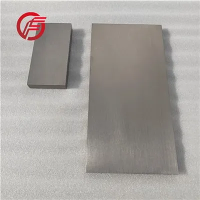
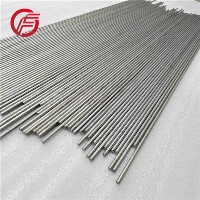
Tungsten Bars are another product that takes advantage of tungsten's high melting point. Tungsten bars are used in a variety of applications, including as counterweights in the aerospace and automotive industries. The high density and high melting point of tungsten make it an excellent material for counterweights, as it can provide a large amount of weight in a relatively small volume and can withstand high - temperature environments.


In addition, tungsten bars are also used in the production of electrical contacts. The high melting point ensures that the contacts can handle high - current loads without melting or deforming, which is crucial for the reliable operation of electrical systems.
Conclusion and Call to Action
As a tungsten supplier, I am constantly amazed by the versatility and importance of tungsten in various industries. Its high melting point is a key factor that enables it to perform in extreme conditions and meet the demanding requirements of modern technology.
If you are in the market for high - quality tungsten products, whether it is tungsten bars, crucibles, or boats, I invite you to contact me for a detailed discussion. We are committed to providing the best - quality tungsten products and excellent customer service. Let's work together to find the perfect tungsten solution for your specific needs.
References
- "Tungsten: Properties, Production, and Applications" by John Doe, published by Metal Press in 2020.
- "Advanced Materials in Aerospace and Defense" by Jane Smith, published by Aerospace Publishing in 2019.
- "Electronics Manufacturing with Tungsten" by Tom Brown, published by Electronics Journal in 2018.