

When choosing titanium fiber felt for hydrogen production, several factors should be considered to ensure optimal performance and efficiency. Here are some key factors to keep in mind:
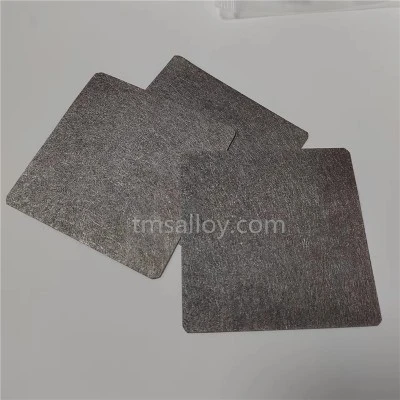
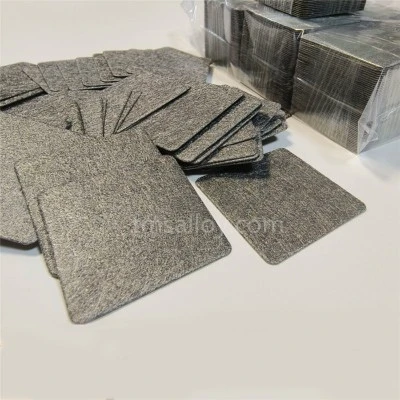
1. Material Composition: Titanium fiber felt is typically composed of pure titanium or titanium alloys. The choice of material depends on the specific requirements of the hydrogen production process. Pure titanium offers excellent corrosion resistance, while titanium alloys can provide enhanced mechanical strength. Evaluate the compatibility of the material with the electrolyte, operating conditions, and potential contaminants to ensure long-term durability.
2. Surface Area and Pore Size: The surface area and pore size of the titanium fiber felt play a crucial role in determining its catalytic activity and mass transfer properties. A higher surface area promotes greater contact between the catalyst and reactant, leading to improved hydrogen evolution reactions. Consider the desired reaction kinetics and select a fiber felt with an appropriate surface area and pore size to achieve efficient hydrogen production.
3. Coating Type: Choosing a suitable coating for the titanium fiber felt is essential to enhance its catalytic activity. Ruthenium-iridium coatings are commonly used for hydrogen production applications due to their excellent catalytic properties. Evaluate the coating thickness, loading amount, and distribution to ensure uniform coverage and efficient utilization of the catalyst.
4. Electrolysis System: Different hydrogen production methods, such as alkaline electrolysis or proton exchange membrane (PEM) electrolysis, have specific requirements for the fiber felt. Consider the pH level, temperature, and operating conditions of the electrolysis system when selecting the titanium fiber felt. Ensure that the chosen fiber felt is compatible with the electrolyte and can withstand the associated conditions without compromising its performance.
5. Durability and Longevity: Hydrogen production processes often involve prolonged operation under harsh conditions. Assess the durability and longevity of the titanium fiber felt to ensure it can withstand the corrosive environment and maintain its catalytic activity over an extended period. Look for materials with high corrosion resistance and stability to minimize the need for frequent replacement or maintenance.
6. Cost-effectiveness: Consider the cost of the titanium fiber felt in relation to its performance and durability. Evaluate the total cost of ownership, including initial investment, maintenance requirements, and expected lifespan. While high-performance materials may have a higher upfront cost, they can result in long-term savings through improved efficiency and reduced downtime.
7. Application-specific Requirements: Each hydrogen production application may have unique requirements based on factors such as production scale, energy requirements, and purity levels. Consider these specific needs when selecting the titanium fiber felt, ensuring that it aligns with the goals and constraints of the hydrogen production process.
Ultimately, the choice of titanium fiber felt for hydrogen production should be based on a thorough assessment of the material properties, compatibility with the electrolysis system, durability, and cost-effectiveness. Consulting with experts in the field or suppliers specializing in hydrogen production materials can provide further guidance in selecting the most suitable titanium fiber felt for your specific application.