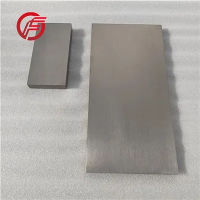

As a reliable supplier of Gr1 Titanium Bar, I'm thrilled to share with you the comprehensive process of how to process Gr1 Titanium Bar. Gr1 titanium, known for its excellent corrosion resistance, high strength-to-weight ratio, and good formability, is widely used in various industries such as aerospace, chemical processing, and marine applications.
Raw Material Inspection
The first step in processing Gr1 Titanium Bar is to conduct a thorough inspection of the raw materials. We ensure that the incoming titanium bars meet the required chemical composition and mechanical properties. This includes checking the content of elements such as titanium, iron, carbon, nitrogen, and hydrogen. Any bars that do not meet the specified standards are rejected to ensure the quality of the final product.


Cutting
Once the raw materials pass the inspection, the next step is cutting. We use advanced cutting equipment, such as saws or laser cutters, to cut the Gr1 Titanium Bar into the desired lengths. The cutting process requires precision to ensure that the length and diameter of the bars meet the customer's requirements. During cutting, we also take measures to prevent any damage to the surface of the bars, such as using appropriate cutting fluids and controlling the cutting speed.
Surface Treatment
After cutting, the Gr1 Titanium Bar undergoes surface treatment. This step is crucial as it can improve the corrosion resistance and appearance of the bars. One common surface treatment method is pickling, which involves immersing the bars in an acid solution to remove any oxide layers or impurities on the surface. Another method is sandblasting, which uses high - pressure air to spray abrasive particles onto the surface of the bars, creating a rough and clean surface.
Heat Treatment
Heat treatment is an important process in processing Gr1 Titanium Bar. It can improve the mechanical properties of the bars, such as strength and ductility. There are different types of heat treatment processes, including annealing, quenching, and tempering. Annealing is often used to relieve internal stresses and improve the formability of the bars. Quenching and tempering can increase the strength and hardness of the bars. The specific heat treatment process depends on the customer's requirements and the intended application of the bars.
Machining
Machining is a key step in shaping the Gr1 Titanium Bar into the final product. This includes processes such as turning, milling, drilling, and grinding. When machining titanium, we need to use special cutting tools and techniques due to its high strength and low thermal conductivity. For example, we use carbide cutting tools with sharp edges and appropriate cutting parameters to ensure efficient machining and prevent tool wear. During machining, we also pay attention to coolant usage to dissipate heat and reduce the risk of thermal damage to the bars.
Quality Control
Throughout the processing of Gr1 Titanium Bar, strict quality control measures are implemented. We use a variety of testing methods, such as non - destructive testing (NDT) and mechanical testing. NDT methods, like ultrasonic testing and X - ray testing, are used to detect any internal defects in the bars, such as cracks or voids. Mechanical testing, including tensile testing, hardness testing, and impact testing, is used to ensure that the bars meet the required mechanical properties. Only bars that pass all the quality control tests are allowed to be shipped to customers.
Applications of Processed Gr1 Titanium Bar
The processed Gr1 Titanium Bar has a wide range of applications. In the aerospace industry, it is used in the manufacture of aircraft components such as landing gear, engine parts, and structural frames. The high strength - to - weight ratio of Gr1 titanium makes it an ideal material for reducing the weight of aircraft and improving fuel efficiency. In the chemical processing industry, Gr1 Titanium Bar is used in equipment such as reactors, heat exchangers, and pipelines due to its excellent corrosion resistance. In the marine industry, it is used in shipbuilding and offshore structures to resist the corrosive effects of seawater.
Related Products
If you are also interested in other titanium products, we have some great options for you. You can check out our Aerospace Ti - alloy TA15 B - T20 Titanium Plate, which is widely used in aerospace applications for its superior performance. Another product is the ASTMB381 Grade 2 Titanium Tube Sheet, suitable for various industrial applications. And there is also the Sintered Porous Plate 1Mm Thickness Titanium Porous Metal Sintered Plate, which has unique porous structures and is used in filtration and separation applications.
Conclusion
Processing Gr1 Titanium Bar is a complex but rewarding process. By following strict quality control measures and using advanced processing techniques, we can produce high - quality Gr1 Titanium Bar that meets the diverse needs of our customers. Whether you are in the aerospace, chemical processing, or marine industry, our processed Gr1 Titanium Bar can provide you with reliable performance.
If you are interested in our Gr1 Titanium Bar or any of our related products, we welcome you to contact us for procurement and further discussion. We are committed to providing you with the best products and services.
References
- "Titanium: A Technical Guide" by John C. Williams.
- "Manufacturing Processes for Engineering Materials" by Serope Kalpakjian and Steven R. Schmid.
- Industry standards and specifications for titanium processing.