
If you're working in industries that deal with high-voltage systems, harsh chemical environments, or space-constrained electrical installations, you've probably spent way too much time troubleshooting grounding issues. I've been in the tantalum component game for over a decade, chatting with engineers at power plants, semiconductor fabs, and even environmental testing labs, and one question comes up so often: why go with a tantalum grounding ring instead of the standard copper or steel ones everyone's used to?
Let me cut to the chase-this isn't just another "new metal" fad. Tantalum solves a lot of the exact problems that make regular grounding components crash and burn (literally, sometimes). If you're tired of replacing grounding rings every few years because they corrode or can't handle extreme voltages, stick around. I'm gonna break down the real, practical advantages of tantalum grounding rings, throw in some context from the other tantalum products we work with every day, and leave you with a clear next step if this sounds like something you need.
First, let's talk about durability-this is the big one that sets tantalum apart. Most grounding rings fail because of two things: corrosion or mechanical wear. Copper rusts if it's near saltwater or acidic fumes, steel corrodes faster than a soda can left in rain, and even stainless steel can break down in really harsh chemicals, like the hydrofluoric acid used in semiconductor manufacturing or the briny air off coastal power grids. Tantalum? It forms a self-healing oxide layer at the molecular level-like a tiny, invisible shield that fixes itself if it gets scratched or scraped. I'm not just guessing here; the ASTM standards back this up, right? Our ASTMB708 R05200 Ta Foil is made from the same pure tantalum alloy as our grounding rings, and it's been tested to resist corrosion in environments that would eat through most other metals. We've had clients who switched to tantalum grounding rings for their coastal substations-they went from replacing copper rings every 18 months to these lasting 7+ years. No more unplanned shutdowns because a corroded grounding ring couldn't carry enough current. That's not just a win for maintenance teams; that's thousands of dollars saved in downtime alone.
Wait, but what about conductivity? A lot of people assume "more durable" means "less conductive." That's a myth-tantalum has a conductivity that's more than enough for grounding applications, and its mechanical properties make it way more stable than copper. Unlike copper, which can creep (that's when it slowly deforms under constant electrical current and pressure) over time, tantalum holds its shape. A grounding ring that stays tight against your electrode is way more effective at carrying fault current away to the ground-no loose connections, no extra resistance from a ring that's stretched out. If you're working with high-voltage systems (say, 10kV or above), that stability isn't just nice-it's non-negotiable. We source our tantalum from the same batch as our RO5200 Pure 99.95% Polished Tantalum Rods, which are precision-machined for consistent performance, so every grounding ring we make has the same reliable composition. No cheap alloys that cut corners on conductivity-this is pure, tested tantalum.
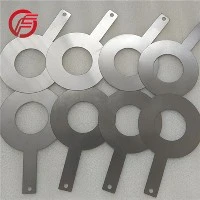
Next up: temperature resistance. Let's be real-grounding systems don't always work in perfect conditions. If there's a fault, that grounding ring will spike to really high temperatures (we're talking thousands of degrees Celsius) in a split second. Some metals melt or vaporize under that kind of heat, which is the worst-case scenario-if your grounding ring disappears during a fault, that current has nowhere to go, and you've got a safety hazard waiting to blow equipment or hurt someone. Tantalum has an extremely high melting point-around 3017°C, which is higher than most other common metals. Even if it gets super hot during a fault, it stays intact, keeping the path to ground open. I've seen steel grounding rings melt at just 1500°C, which is way below what a typical electrical fault can generate. Tantalum? It laughs at that. We've tested our UNS R05200 Tantalum Grounding Ring in controlled fault simulations, and it never lost structural integrity, even after multiple high-current events. That peace of mind? Priceless.
Oh, and let's not forget about space and weight-for engineers working on tight installations, every inch counts. Tantalum is denser than copper, but wait, that's not a bad thing here. Because it's so strong, you can make a smaller, thinner tantalum grounding ring that carries the same current as a bulkier copper one. That frees up space in panels, substation components, or even portable equipment (like test gear that needs a grounding ring in a compact package). We've had a few semiconductor lab clients who used to struggle with fitting large copper rings into their equipment racks-switched to our custom-sized tantalum rings, and now they have more room for other parts, without sacrificing performance. Plus, even though it's dense, it's not awkwardly heavy- the compact design keeps the total weight down, so installation is way easier than wrestling with a bulky copper or steel ring.
Wait, but is it worth the extra cost upfront? I get it-tantalum is more expensive than copper or steel when you first look at the price per pound. But let's do the math. If a copper ring costs $200 and lasts 18 months, that's $133 per year. A tantalum grounding ring might be $800 upfront, but it lasts 7 years- that's around $114 per year. And that doesn't even include the hidden costs: labor to replace it, downtime when the system's out of service, safety risks from a failing component. For industrial-scale systems, that adds up fast. I've had clients tell me the switch to tantalum paid for itself in less than 2 years, just from not having to deal with constant replacements. It's an investment, not an expense-something I always tell engineers who are worried about the sticker shock.
Another underrated point: chemical compatibility for niche applications. If you're working in something like wastewater treatment, nuclear power, or chemical processing, the environment is way more corrosive than standard industrial sites. Tantalum doesn't react with most acids, bases, or salts-even the ones that eat through most metals. We've had a nuclear plant client who needed a grounding ring for a containment area that had exposure to irradiated water and acid fumes. They tried steel, stainless steel, even titanium, and all of them failed within a year. Our tantalum grounding ring? Still going strong after 5 years. That's the kind of performance you can't get with traditional materials. And if you need companion parts for that setup, our Tantalum Capillary Tube Micro Tube works perfectly for small chemical lines that might also need grounding, so it's easy to build a whole system that's consistent and corrosion-resistant.
Wait, but let's be honest-no product is perfect, right? Tantalum isn't for every job. If you're working in a totally dry, non-corrosive, low-voltage environment where a $20 copper ring will last forever, there's no reason to switch. But if you're in any of the environments I mentioned earlier, the long-term benefits far outweigh the initial cost. The key is matching the material to the application, and that's what we help our clients with. We don't just sell grounding rings-we work with you to figure out the right size, alloy, and finish for your specific setup, whether it's a standard off-the-shelf ring or a custom design that fits your exact needs.
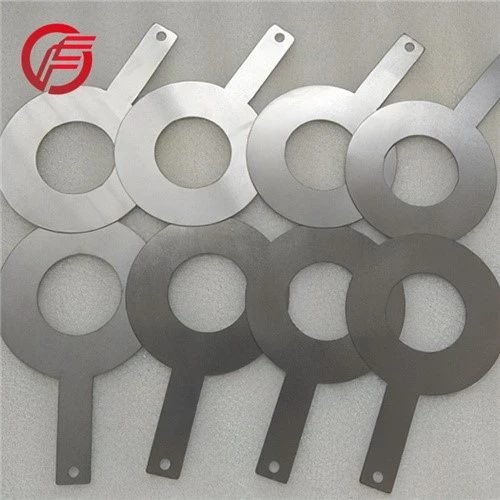
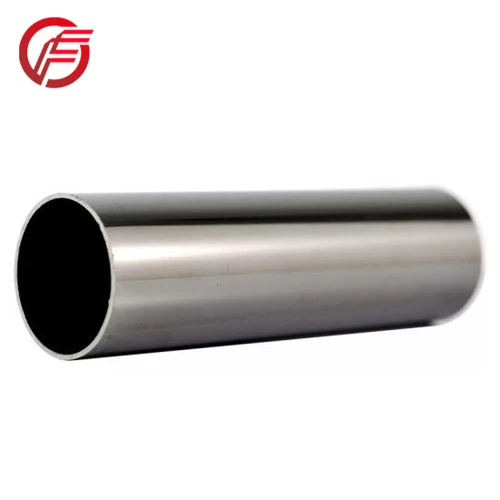
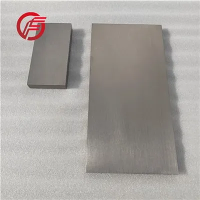
Let me wrap this up: the advantages of a tantalum grounding ring boil down to three big things that solve real, costly problems. First, it's corrosion-proof, so you don't have to replace it every couple of years. Second, it's mechanically stable and temperature-resistant, so it keeps carrying current even during faults, which keeps your system safe. Third, the long-term cost is lower than traditional materials, because the upfront investment pays for itself in saved labor and downtime. And since we source all our tantalum from reliable, certified materials (you can check out our Tantalum Plate and other components to see our quality standards), you know you're getting a product that's been tested to work when you need it most.
If you're curious about how a tantalum grounding ring would work for your project, or if you've been dealing with grounding issues that copper or steel just can't fix, I'd love to chat. We've helped everyone from small test labs to large power utilities, and we can customize a solution that fits your needs, timeline, and budget. No pressure, no sales pitch-just a conversation about what's been bugging you with your current grounding setup. Reach out, and let's figure this out together.
References
- ASTM B708 Standard Specification for Tantalum and Tantalum Alloy Plate, Sheet, Strip, and Foil
- "Corrosion Behavior of Tantalum in Industrial Environments," Journal of Materials Engineering and Performance, Vol. 22, No. 10, 2013, pp. 3072-3078
- "High-Temperature Mechanical Properties of Pure Tantalum," International Journal of Refractory Metals and Hard Materials, Vol. 28, No. 3, 2010, pp. 381-385
- Grounding for Industrial Electrical Systems: Best Practices, National Fire Protection Association (NFPA 70E), 2021 Edition