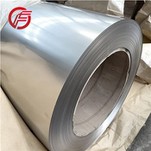


According to different shapes, tungsten-based alloys can be divided into tungsten Bar, block, plate, and tungsten ball. Although their physical and chemical properties are basically similar, they are different in use.
Taking the tungsten bar as an example, it can also be called a tungsten rod. It is an alloy product with refractory metal tungsten as hard phase and cobalt, nickel, iron, copper and other metals as bonding phase.
In terms of physical and chemical properties, tungsten rod combines the characteristics of tungsten and binder, such as high melting point, high density, high hardness, high strength, low coefficient of thermal expansion, high elastic modulus, wear resistance, high-temperature resistance, good conductivity, and thermal conductivity. Note: the specific physical and chemical properties of the alloy are also related to the proportion of raw materials. When the binder is metal copper, the color of the alloy will tend to copper with the increase of copper content; With the increase of copper content, the melting point, density and hardness of the alloy will decrease, while the conductivity and thermal conductivity will be better.
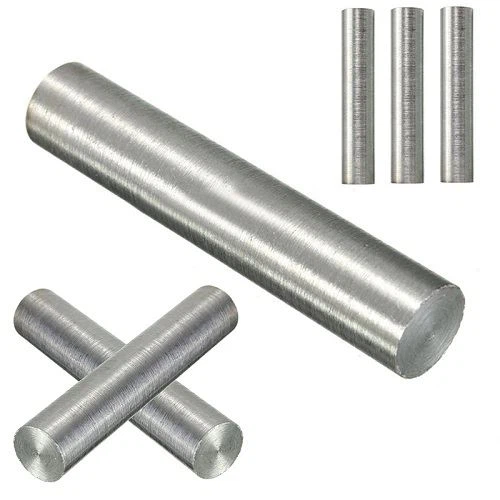
In terms of production technology, the production methods of tungsten bar with different chemical compositions are different.For example, tungsten nickel-iron alloy rod can be produced by powder metallurgy technology or injection molding technology. Powder metallurgy technology refers to the process technology of various types of products made from metal powder through forming and sintering;
Injection molding refers to a technology in which a model with a certain shape injects the molten colloid into the mold cavity through pressure to produce the required products. The tungsten copper alloy rod is usually manufactured by copper infiltration method, that is, the tungsten powder is pressed and sintered into a tungsten skeleton with certain porosity, and then a series of operations such as copper infiltration can be carried out.
In terms of application, tungsten rods are widely used in military, national defense, aerospace, aviation, navigation, lighting, automobile and other fields. When tungsten rods are processed into wires, they can be used as filaments, support wires and lead-in wires; It can also be ground into needles, made into various electrodes, high-speed cutting tools and sputtering targets.