

The sandblasting process of titanium and titanium alloy materials is an important surface treatment technology, which aims to remove the oxide layer and pollutants on the surface, improve the surface roughness of the substrate, enhance the adhesion of the coating, or give the surface-specific physical and chemical properties, improve the mechanical properties of the material, etc.
Sandblasting is the use of compressed air or water to spray abrasives at high speed onto the surface of titanium alloy to remove the oxide layer, dirt, and impurities on the surface, thereby improving the surface roughness and adhesion. This method is often used for the surface treatment of titanium castings and forgings to ensure the adhesion effect of subsequent processing or coating. Sandblasting is not only used to clean and roughen the surface but also to improve the microstructure of the material by adjusting parameters. For example, by sandblasting with a diameter of 0.5~2 mm, the grain size of titanium alloy can be reduced to about 44 nanometers, thereby enhancing its fatigue tolerance and stress-cracking resistance. In addition, wet shot blasting technology combined with ultrasonic vibration can extend the life of the projectile and increase the local yield strength while reducing the surface roughness.
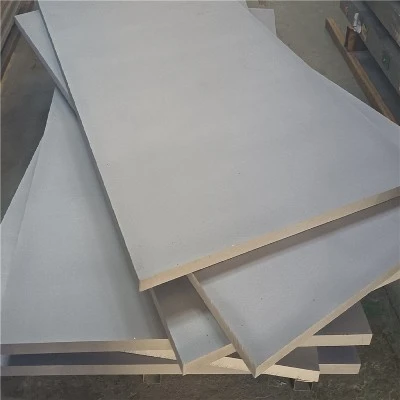
Sandblasting is widely used in medical implants, aerospace, and other fields. For example, sandblasting on the surface of implants can increase the surface area, promote cell adhesion and proliferation, and improve bone bonding ability. In the integrated molding of composite materials and titanium alloys, sandblasting can significantly improve the shear strength, which is beneficial to the connection between composite materials and titanium alloys.
Sandblasting materials The abrasives used in the sandblasting process are usually white corundum or quartz sand, which are high-hardness and have a good cleaning effect. The sandblasting pressure is generally controlled below 0.45MPa to avoid excessive damage to the titanium surface. The distance between the nozzle and the casting surface should be between 20mm and 400mm, and the spray angle should be controlled between 20° and 70°.
White corundum
White corundum abrasive has high hardness and good wear resistance, which enables it to provide strong cutting force and grinding effect during sandblasting, especially suitable for surface treatment of hard materials such as titanium and titanium alloys. White corundum sandblasting can quickly clean large areas of workpiece surfaces, improve work efficiency, and enhance the adhesion of the coating through roughening treatment, thereby improving the quality of the workpiece. In addition, white corundum sandblasting can significantly increase the roughness of the workpiece surface, allowing the coating to adhere better to the surface and extend the service life of the coating.
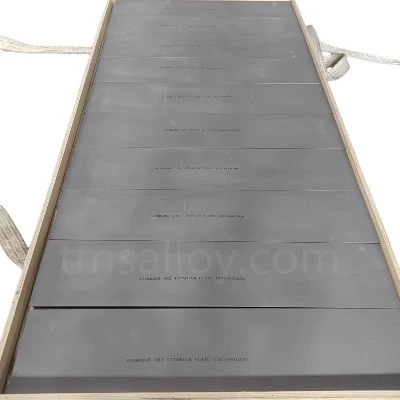
Quartz sand
Quartz sand is usually used for milder surface treatments in the sandblasting process. Its hardness and wear resistance are relatively low, so it is suitable for some occasions where the surface requirements are not high. However, the particles of quartz sand are relatively soft and have less impact force, so they may not provide a strong cutting force and grinding effect like white corundum during sandblasting.
SiO2 (silicon dioxide) SiO2 is also a common sandblasting material, and its hardness and wear resistance is between white corundum and quartz sand. The effect of SiO2 sandblasting may be between white corundum and quartz sand. It can provide a certain surface roughness to enhance the adhesion of the coating, but it will not cause excessive damage to the workpiece surface like white corundum. White corundum is usually preferred in the sandblasting process of titanium and titanium alloy materials due to its high hardness and strong grinding effect to achieve the best surface treatment effect.
Contact information:
Tel: +86-0917- 3664600
Whatsapp: +8618791798690


