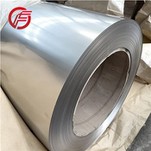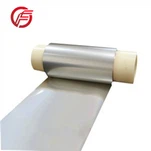


The percentage composition of tungsten and copper in tungsten copper alloy has a significant impact on its properties. Here are some general effects of varying the percentage composition:
Density: Increasing the tungsten content in the alloy leads to a higher density. Tungsten has a higher density than copper, so a higher tungsten percentage increases the overall density of the alloy.
Electrical Conductivity: The electrical conductivity of tungsten copper alloy rods decreases as the tungsten content increases. Copper is an excellent conductor of electricity, while tungsten has a lower conductivity. Therefore, higher tungsten percentages result in reduced electrical conductivity.
Thermal Conductivity: The thermal conductivity of the alloy decreases with increasing tungsten content. Copper is an excellent thermal conductor, while tungsten has a lower thermal conductivity. So, as the proportion of tungsten increases, the thermal conductivity of the alloy decreases.

Mechanical Strength: Increasing the tungsten content in tungsten copper alloy enhances its mechanical strength. Tungsten is significantly stronger than copper, so a higher percentage of tungsten contributes to improved overall strength and hardness of the alloy.
Thermal Expansion: The coefficient of thermal expansion decreases with increasing tungsten content. Copper has a higher coefficient of thermal expansion compared to tungsten. Therefore, higher tungsten percentages in the alloy result in reduced thermal expansion, making it more dimensionally stable under temperature variations.
Machinability: The machinability of tungsten copper alloy bars decreases with increasing tungsten content. Tungsten is a harder material compared to copper, making it more challenging to machine. Consequently, alloys with higher tungsten percentages are generally more difficult to machine.
It's important to note that the specific properties of tungsten copper alloy can vary depending on the exact percentage composition and any additional alloying elements present. Different compositions are chosen based on the desired balance of properties for specific applications, considering factors such as conductivity, strength, thermal management, and machinability requirements.