

Grade of corrosion-resistant alloy
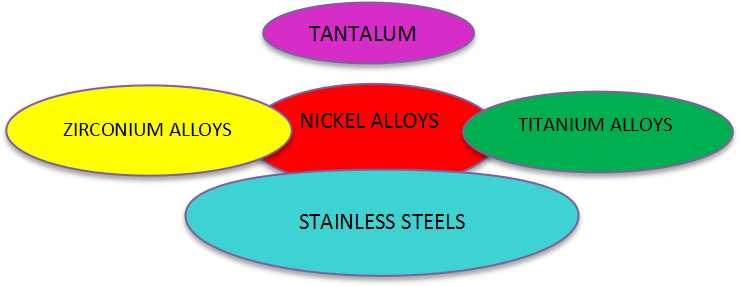
In terms of corrosion performance, nickel-based alloys are between rare materials such as stainless steel and tantalum. Nickel-based alloys are generally used in corrosive inorganic acid and fluoride ion-containing environments. In this environment, many types of stainless steel are prone to stress corrosion cracking, pitting, and crevice corrosion. In addition, industrial pure nickel metal is also selected for the environment of sodium hydroxide and potassium hydroxide (the so-called caustic soda chemicals).
Similar to the corrosion resistance of nickel-based alloys are zirconium alloys and titanium alloys. But these so-called "active metal" alloys are more specific and cannot tolerate the presence of certain ions, such as fluoride ions.
The main properties of corrosion-resistant nickel-based alloys
Most nickel-based alloys have strong resistance to stress corrosion cracking caused by chloride ions
Most nickel-based alloys have corrosion resistance to corrosive reducing acids, such as hydrochloric acid, hydrofluoric acid, and low to medium concentrations of sulfuric acid.
Some nickel-based alloys can withstand strong reducing acids and strong oxidizing acids
Most nickel-based alloys have high resistance to alkalis
Some nickel-based alloys have good resistance to local corrosion (pitting corrosion and crevice corrosion)
All nickel-based alloys have good ductility and are easy to form, process and weld
Essentially, nickel-based alloys are resistant to many types of corrosion. Certain nickel-based alloys have strong applicability and are resistant to reducing and oxidizing acids and alkalis, stress corrosion cracking, pitting, and crevice corrosion.
The main classification and use of corrosion-resistant nickel-based alloys
Ni for strong alkali
Ni-Cu for reducing acid
ONi-Mo for migratory acid
Ni-Fe-Cr for oxidizing acid
Ni-Cr-Si for super oxidizing acid