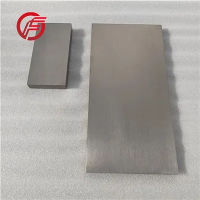

TZM alloy, a molybdenum-based alloy containing titanium, zirconium, and carbon, has gained significant attention in various high - performance applications due to its excellent mechanical properties, high - temperature stability, and good corrosion resistance. As a TZM alloy supplier, I am often asked about the hardness of TZM alloy, and in this blog, I will delve into this topic in detail.
Understanding the Composition of TZM Alloy
Before discussing the hardness of TZM alloy, it is essential to understand its composition. TZM alloy typically consists of about 0.5% titanium (Ti), 0.08% zirconium (Zr), and 0.02% carbon (C) by weight, with the remainder being molybdenum (Mo). The addition of titanium, zirconium, and carbon serves to improve the alloy's mechanical properties, especially at high temperatures. Titanium and zirconium form fine carbide particles within the molybdenum matrix, which act as obstacles to dislocation movement, thereby enhancing the strength and hardness of the alloy.
Measuring the Hardness of TZM Alloy
Hardness is a measure of a material's resistance to local deformation, such as indentation or scratching. There are several methods to measure the hardness of TZM alloy, including the Brinell hardness test, Rockwell hardness test, and Vickers hardness test.
The Brinell hardness test involves pressing a hard steel or tungsten carbide ball of a specified diameter into the surface of the material under a known load for a certain period. The diameter of the resulting indentation is then measured, and the Brinell hardness number (BHN) is calculated. For TZM alloy, the Brinell hardness typically ranges from 250 - 350 BHN, depending on the processing conditions and heat treatment.
The Rockwell hardness test uses a diamond cone or a hard steel ball indenter to make an indentation in the material. The depth of the indentation is measured, and the Rockwell hardness number is determined. TZM alloy usually has a Rockwell hardness in the range of C20 - C30 on the Rockwell C scale.
The Vickers hardness test employs a square - based diamond pyramid indenter to create an indentation. The diagonal lengths of the indentation are measured, and the Vickers hardness number (HV) is calculated. TZM alloy generally exhibits a Vickers hardness of 280 - 380 HV.
Factors Affecting the Hardness of TZM Alloy
Several factors can influence the hardness of TZM alloy.
Processing Conditions
The hardness of TZM alloy is significantly affected by its processing history. For example, during the powder metallurgy process, the particle size of the starting powders, the compaction pressure, and the sintering temperature and time can all impact the final hardness of the alloy. Finer powder particles and higher compaction pressures tend to result in a more dense and harder alloy. Higher sintering temperatures can also promote better diffusion and bonding between the particles, leading to increased hardness.
Heat Treatment
Heat treatment plays a crucial role in determining the hardness of TZM alloy. Annealing, a heat treatment process that involves heating the alloy to a specific temperature and then cooling it slowly, can relieve internal stresses and improve the ductility of the alloy at the expense of some hardness. On the other hand, age - hardening treatments can increase the hardness of TZM alloy by promoting the precipitation of fine carbide particles within the matrix.
Grain Size
The grain size of TZM alloy also affects its hardness. A finer grain size generally leads to a harder alloy because the grain boundaries act as barriers to dislocation movement. By controlling the processing parameters, such as the sintering conditions and subsequent thermomechanical treatments, the grain size of TZM alloy can be optimized to achieve the desired hardness.
Applications of TZM Alloy Based on Its Hardness
The unique hardness properties of TZM alloy make it suitable for a wide range of applications.
Aerospace Industry
In the aerospace industry, TZM alloy is used in components that require high strength and hardness at elevated temperatures, such as rocket nozzles, turbine blades, and heat shields. The high - temperature hardness of TZM alloy ensures that these components can withstand the extreme conditions encountered during space travel and high - speed flight.
Electronics Industry
TZM alloy is also employed in the electronics industry, particularly in the manufacturing of electrodes for electrical discharge machining (EDM) and high - power vacuum tubes. The hardness and wear resistance of TZM alloy make it an ideal material for these applications, as it can maintain its shape and performance under high - energy electrical discharges.


Metalworking Industry
In the metalworking industry, TZM alloy is used to make dies and molds for hot forging, extrusion, and casting processes. The high hardness and thermal stability of TZM alloy allow these tools to withstand the high pressures and temperatures involved in metal forming operations, resulting in longer tool life and better product quality.
Comparison with Other Materials
When comparing TZM alloy with other materials, its hardness properties stand out. For example, compared to pure molybdenum, TZM alloy is significantly harder due to the presence of titanium, zirconium, and carbon. This increased hardness makes TZM alloy more suitable for applications that require high - strength and wear - resistant materials.
In comparison to some other high - temperature alloys, such as ASME ANSI B16.9 Nickel Stub End, TZM alloy offers a unique combination of hardness, high - temperature strength, and low density. This makes it a preferred choice in applications where weight reduction is also a critical factor, such as in aerospace components.
Importance of Hardness in TZM Alloy Applications
The hardness of TZM alloy is of utmost importance in its applications. In high - temperature environments, the hardness of the alloy ensures that it can maintain its structural integrity and resist deformation. For example, in rocket nozzles, the high - temperature hardness of TZM alloy prevents the nozzle from deforming under the extreme heat and pressure generated during rocket propulsion.
In wear - resistant applications, such as in cutting tools and dies, the hardness of TZM alloy allows it to withstand the abrasive forces encountered during the machining or forming processes. This results in longer tool life and reduced downtime for tool replacement.
Case Studies
Let's take a look at some real - world case studies to illustrate the importance of the hardness of TZM alloy.
In a metal forging plant, TZM alloy dies were used to replace the traditional steel dies. The high hardness of the TZM alloy dies allowed them to withstand the high pressures and temperatures during the forging process, resulting in a significant increase in die life. The number of parts produced per die increased by more than 50%, and the overall production cost was reduced due to less frequent die replacements.
In an aerospace research project, TZM alloy was used to manufacture turbine blades for a high - performance jet engine. The high - temperature hardness of the TZM alloy ensured that the blades could maintain their shape and performance under the extreme operating conditions of the engine. This led to improved engine efficiency and reliability.
Our Offerings as a TZM Alloy Supplier
As a TZM alloy supplier, we offer a wide range of TZM alloy products with different hardness levels to meet the diverse needs of our customers. We can customize the processing conditions and heat treatment of the TZM alloy to achieve the specific hardness requirements for your applications. Whether you need TZM alloy for aerospace, electronics, or metalworking applications, we have the expertise and capabilities to provide you with high - quality products.
In addition to TZM alloy, we also supply other related products, such as Grade2 Titanium Hex Allen Socket Button Head Screws and Titanium Sintering Filter Sheet. These products are also known for their excellent mechanical properties and can be used in conjunction with TZM alloy in various applications.
Conclusion
The hardness of TZM alloy is a critical property that determines its performance in a wide range of applications. Through proper processing, heat treatment, and control of the alloy composition, we can tailor the hardness of TZM alloy to meet the specific requirements of different industries. As a TZM alloy supplier, we are committed to providing high - quality TZM alloy products with the desired hardness properties. If you are interested in purchasing TZM alloy or any of our other products, please feel free to contact us for further discussion and procurement negotiations.
References
- "Molybdenum and Molybdenum Alloys" by J. F. Elliot and M. A. Gladstone.
- "Powder Metallurgy Principles and Applications" by Randall M. German.
- "Heat Treatment of Metals" by George E. Totten and David Scott MacKenzie.