
Hey there! As a molybdenum supplier, I've been dealing with all sorts of alloys that have molybdenum in them. Molybdenum is a super important metal, and it brings some really cool properties to the alloys it's part of. Let's take a closer look at some of these alloys.
Stainless Steel Alloys with Molybdenum
Stainless steel is a well - known alloy, and when molybdenum gets added to it, things get even better. Molybdenum improves the stainless steel's resistance to corrosion, especially in environments where there are chlorides. For example, in coastal areas where the air has a high salt content, or in industrial settings with chemical exposure.
One common type is the 316 stainless steel. It usually contains around 2 - 3% molybdenum. This addition makes 316 stainless steel more resistant to pitting and crevice corrosion compared to the standard 304 stainless steel. You can find 316 stainless steel in all sorts of applications, like kitchen equipment, marine hardware, and chemical processing plants.
Another one is the 317 stainless steel. It has a higher molybdenum content, typically around 3 - 4%. This gives it even better corrosion resistance than 316. 317 stainless steel is often used in more aggressive environments, such as in the pharmaceutical and food processing industries, where it needs to withstand harsh cleaning agents and chemical solutions.
Tool Steel Alloys
Tool steel is made to be really hard and tough, and molybdenum plays a big role in achieving those properties. Molybdenum increases the hardenability of tool steel, which means it can be hardened more uniformly throughout the material.
M2 is a popular high - speed tool steel alloy that contains molybdenum. It has about 5 - 6% molybdenum. M2 tool steel is great for making cutting tools like drills, end mills, and taps. The molybdenum in it helps the tool keep its hardness and cutting edge even at high temperatures, which is crucial when you're cutting through hard materials at high speeds.
AISI D2 tool steel also has molybdenum in it. Usually, it has around 1 - 2% molybdenum. D2 is a high - carbon, high - chromium tool steel. The molybdenum in D2 helps improve its wear resistance and toughness. It's commonly used for making dies, punches, and other forming tools.


Nickel - Based Alloys
Nickel - based alloys are known for their high - temperature strength and corrosion resistance, and molybdenum is an important addition to many of them.
Hastelloy C - 276 is a well - known nickel - molybdenum - chromium alloy. It contains about 15 - 17% molybdenum. This alloy is extremely resistant to a wide range of corrosive chemicals, including sulfuric acid, hydrochloric acid, and chlorine. It's used in chemical processing, pollution control, and offshore oil and gas applications.
Inconel 625 is another nickel - based alloy with molybdenum. It has around 8 - 10% molybdenum. Inconel 625 has excellent high - temperature strength and oxidation resistance. It's often used in aerospace components, gas turbine engines, and marine applications.
Titanium Alloys
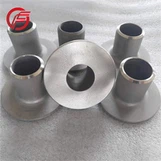
Titanium alloys are lightweight and strong, and molybdenum can enhance their properties. For instance, some titanium - molybdenum alloys have improved strength and ductility. If you're interested in titanium products, you might want to check out ASTM B363 Grade 2 Titanium Lap Joint Stub Ends. These are great for specific piping applications.
Tantalum Alloys
Tantalum is a highly corrosion - resistant metal, and when combined with molybdenum, it can form alloys with even better properties. R05200 Ta Foil ASTMB708 is an example of a tantalum product that might be part of an alloy system where molybdenum could potentially be used to further enhance its performance.
Titanium Anode Alloys
In the field of electrochemistry, Iridium Tantalum Coated Titanium Anode is an important product. While it's mainly about the coating on titanium, the underlying titanium structure could potentially be part of an alloy system that includes molybdenum to improve its mechanical properties and overall performance.
Why Choose Our Molybdenum for Alloys?
As a molybdenum supplier, we offer high - quality molybdenum products. Our molybdenum is sourced from reliable mines and processed with the latest technology. We ensure that the purity and quality of our molybdenum meet the strictest industry standards.
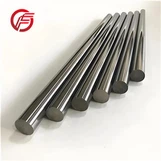
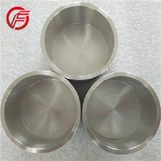
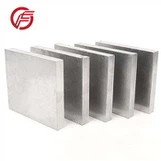
Whether you're making stainless steel, tool steel, nickel - based alloys, or any other type of alloy that needs molybdenum, our products can help you achieve the best results. We have a wide range of molybdenum forms, including powder, rods, and sheets, so you can choose the one that suits your manufacturing process.
If you're in the business of making alloys and need molybdenum, don't hesitate to reach out. We're here to provide you with the best molybdenum products and support. Whether you have questions about which type of molybdenum is right for your alloy, or you need help with the quantity and delivery, we're just a message away. Let's start a conversation and see how we can work together to make your alloy production even better.
References
- ASM Handbook Volume 1: Properties and Selection: Irons, Steels, and High - Performance Alloys
- Metals Handbook Desk Edition, Third Edition