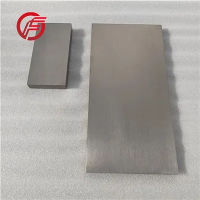

As a seasoned molybdenum supplier, I understand the critical importance of transporting this valuable metal safely. Molybdenum, with its high melting point, excellent corrosion resistance, and impressive strength, is widely used in various industries, including aerospace, electronics, and metallurgy. Ensuring its safe transportation is not only a matter of protecting the product but also safeguarding the environment and the people involved in the process.


Understanding Molybdenum's Properties
Before delving into the transportation methods, it's essential to understand the properties of molybdenum. Molybdenum is a silvery-white metal that is relatively dense and has a high melting point of 2,623°C (4,753°F). It is also highly resistant to corrosion and oxidation, making it suitable for use in harsh environments.
However, molybdenum can be brittle at low temperatures, which means it needs to be handled with care during transportation. Additionally, molybdenum dust can be harmful if inhaled, so proper safety measures must be taken to prevent exposure.
Packaging for Safe Transport
The first step in ensuring the safe transportation of molybdenum is proper packaging. The packaging material should be able to protect the molybdenum from physical damage, moisture, and contamination.
For small quantities of molybdenum, such as ASTM B387 99.95% Pure Molybdenum Round Bar, it can be packaged in sealed plastic bags or containers. These bags or containers should be labeled clearly with the product name, quantity, and any relevant safety information.
For larger quantities, molybdenum is often packed in wooden crates or steel drums. These containers are designed to provide additional protection against impact and vibration during transportation. Inside the crates or drums, the molybdenum is usually wrapped in protective materials, such as bubble wrap or foam, to prevent scratches and damage.
Choosing the Right Transportation Mode
The choice of transportation mode depends on several factors, including the quantity of molybdenum, the destination, and the urgency of the delivery. The most common transportation modes for molybdenum are road, rail, sea, and air.
- Road Transport: Road transport is a popular choice for short-distance deliveries. It offers flexibility and can be easily customized to meet the specific needs of the customer. However, road transport is subject to traffic conditions and may be affected by weather conditions.
- Rail Transport: Rail transport is suitable for large quantities of molybdenum and long-distance deliveries. It is a cost-effective and reliable mode of transportation, but it may require additional handling and transfer at the railway station.
- Sea Transport: Sea transport is the most common mode of transportation for international shipments of molybdenum. It is cost-effective and can handle large volumes of cargo. However, sea transport is subject to longer transit times and may be affected by weather conditions and port congestion.
- Air Transport: Air transport is the fastest mode of transportation and is suitable for urgent deliveries. However, it is also the most expensive mode of transportation and may be subject to weight and volume restrictions.
Safety Measures During Transportation
Regardless of the transportation mode, several safety measures must be taken to ensure the safe transportation of molybdenum.
- Handling: Molybdenum should be handled with care to prevent physical damage. Workers should wear appropriate personal protective equipment (PPE), such as gloves and safety glasses, to prevent exposure to molybdenum dust.
- Storage: During transportation, molybdenum should be stored in a dry and well-ventilated area. It should be kept away from sources of heat, moisture, and chemicals.
- Monitoring: The transportation of molybdenum should be monitored regularly to ensure that the product is not damaged or contaminated. Temperature, humidity, and vibration sensors can be used to monitor the conditions inside the transportation container.
- Emergency Response: In case of an emergency, such as a spill or a fire, a comprehensive emergency response plan should be in place. The plan should include procedures for handling spills, evacuating the area, and notifying the relevant authorities.
Compliance with Regulations
The transportation of molybdenum is subject to various regulations and standards, both at the national and international levels. These regulations are designed to ensure the safety of the product, the environment, and the people involved in the transportation process.
As a molybdenum supplier, it is our responsibility to ensure that our products are transported in compliance with all relevant regulations. This includes obtaining the necessary permits and licenses, following the proper packaging and labeling requirements, and providing accurate information about the product to the transportation company.
Conclusion
Transporting molybdenum safely requires careful planning, proper packaging, and strict adherence to safety regulations. By understanding the properties of molybdenum, choosing the right transportation mode, and implementing appropriate safety measures, we can ensure that our products reach our customers in good condition.
If you are interested in purchasing molybdenum products, such as Cold-Rolled 360 361 363 Molybdenum Sheet or 360 361 363 Molybdenum Bolt, please feel free to contact us for more information. We are committed to providing high-quality molybdenum products and excellent customer service.
References
- "Molybdenum: Properties, Applications, and Production." Encyclopedia Britannica.
- "Transportation of Hazardous Materials." U.S. Department of Transportation.
- "ASTM Standards for Molybdenum and Molybdenum Alloys." ASTM International.