
How to Flatten Nickel Foil if It Is Bent?
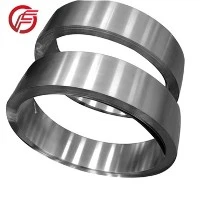
As a trusted nickel foil supplier, I understand the importance of having flat and pristine nickel foil for various applications. Nickel foil is widely used in industries such as electronics, battery manufacturing, and aerospace due to its excellent electrical conductivity, corrosion resistance, and high-temperature stability. However, it is not uncommon for nickel foil to become bent during handling, shipping, or storage. In this blog post, I will share some effective methods to flatten bent nickel foil, ensuring that it meets your specific requirements.
Understanding the Properties of Nickel Foil
Before we delve into the flattening techniques, it is essential to understand the properties of nickel foil. Nickel foil is typically made from high-purity nickel, such as Nickel 201 Strip ASTM B162, High Purity ED Nickel Microfoil, Ni200 Ni201 ASTM B162 Pure Nickel Foil Roll, ASTM B162 High Purity Micro Nickel Foil, or N02201 N02200 Pure Nickel Foil. These foils are available in various thicknesses, ranging from a few micrometers to several millimeters.
Nickel foil is relatively soft and malleable, which makes it prone to bending and wrinkling. However, it also has good elasticity, which means that it can be restored to its original flat shape with the right techniques.
Methods to Flatten Bent Nickel Foil
1. Manual Flattening
The simplest method to flatten bent nickel foil is by using your hands. This method is suitable for minor bends and wrinkles. Here's how you can do it:
- Lay the Foil Flat: Place the bent nickel foil on a clean and flat surface, such as a glass plate or a smooth metal table. Make sure that the surface is free from any scratches or debris that could damage the foil.
- Apply Gentle Pressure: Use your hands to gently press down on the bent areas of the foil. Start from the edges and work your way towards the center, applying even pressure to gradually flatten the foil. Avoid using excessive force, as this could cause the foil to tear or crease.
- Smooth Out the Wrinkles: If there are any wrinkles on the foil, use your fingers to smooth them out. You can also use a soft cloth or a piece of tissue paper to help remove any stubborn wrinkles.
2. Using a Rolling Pin
If the manual flattening method does not work, you can try using a rolling pin to flatten the bent nickel foil. This method is suitable for larger bends and wrinkles. Here's how you can do it:
- Prepare the Rolling Pin: Make sure that the rolling pin is clean and free from any dirt or debris. You can also wrap the rolling pin with a soft cloth or a piece of tissue paper to prevent it from scratching the foil.
- Place the Foil on the Surface: Lay the bent nickel foil on a clean and flat surface, such as a glass plate or a smooth metal table.
- Roll the Foil: Place the rolling pin on one end of the foil and roll it slowly and evenly towards the other end, applying gentle pressure to flatten the foil. Make sure that the rolling pin is in contact with the entire surface of the foil to ensure even flattening.
- Repeat the Process: If necessary, repeat the rolling process several times until the foil is completely flat. You can also reverse the direction of the rolling to ensure that the foil is flattened evenly.
3. Using a Press
For more severe bends and wrinkles, you can use a press to flatten the bent nickel foil. This method is suitable for thicker foils and requires the use of a hydraulic press or a mechanical press. Here's how you can do it:


- Prepare the Press: Make sure that the press is clean and free from any dirt or debris. You can also place a piece of soft cloth or a piece of tissue paper on the pressing surface to prevent it from scratching the foil.
- Place the Foil in the Press: Place the bent nickel foil between two flat surfaces, such as two metal plates or two pieces of glass. Make sure that the foil is centered and aligned properly.
- Apply Pressure: Slowly apply pressure to the press until the foil is flattened. The amount of pressure required will depend on the thickness and severity of the bend. Make sure to monitor the pressure carefully to avoid over - pressing the foil, which could cause it to fracture or deform.
- Release the Pressure: Once the foil is flattened, slowly release the pressure from the press. Remove the flattened foil from the press and inspect it for any remaining bends or wrinkles.
Precautions to Take
When flattening bent nickel foil, it is important to take the following precautions to ensure the safety and integrity of the foil:
- Wear Gloves: When handling nickel foil, wear gloves to prevent fingerprints and other contaminants from getting on it. This can help maintain the cleanliness and performance of the foil.
- Avoid Scratching: Be careful not to scratch the foil during the flattening process. Scratches can damage the surface of the foil and affect its electrical and mechanical properties. Use smooth tools and surfaces to minimize the risk of scratching.
- Work in a Clean Environment: Flatten the nickel foil in a clean and dust - free environment to prevent any foreign particles from adhering to the foil. This can help ensure the quality of the foil for its intended application.
- Check the Thickness: If the foil has been severely bent, it is a good idea to check its thickness before and after flattening. Excessive bending and flattening could change the foil's thickness, which may affect its performance.
Conclusion
Flattening bent nickel foil is a relatively straightforward process that can be achieved using various methods, depending on the severity of the bend. As a nickel foil supplier, I am committed to providing high - quality nickel foil products that meet your specific needs. Whether you need Nickel 201 Strip ASTM B162, High Purity ED Nickel Microfoil, Ni200 Ni201 ASTM B162 Pure Nickel Foil Roll, ASTM B162 High Purity Micro Nickel Foil, or N02201 N02200 Pure Nickel Foil, we have the expertise and resources to supply you with the right product.
If you have any questions about our nickel foil products or need assistance with flattening bent nickel foil, please feel free to contact us for a detailed discussion. We are here to help you find the best solution for your nickel foil requirements.
References
- ASM Handbook Committee. (2000). ASM Handbook Volume 2: Properties and Selection: Nonferrous Alloys and Special - Purpose Materials. ASM International.
- Metals Handbook Desk Edition. (1998). ASM International.