
Titanium and titanium alloys are two materials that often come up in discussions about high - performance and specialty applications. As a long - time titanium supplier, I've encountered numerous inquiries regarding the differences between these two. In this blog, I'll delve into the distinct characteristics of titanium and titanium alloys to help you understand which might be more suitable for your specific needs.
1. Definition and Composition
First and foremost, let's start with the basic definition of titanium. Titanium is a chemical element with the symbol Ti and atomic number 22. It is a lustrous transition metal with a silver color, low density, and high strength. Pure titanium exists in a relatively unadulterated state, with minimal other elements present.
On the other hand, titanium alloys are created by combining titanium with other chemical elements. Common elements added to titanium to form alloys include aluminum, vanadium, tin, zirconium, and molybdenum. These alloying elements are carefully selected in specific proportions to enhance certain properties of titanium, making it more suitable for a wide array of applications. For instance, the addition of aluminum can increase the strength - to - weight ratio, while vanadium can improve the alloy's formability and weldability.
2. Physical and Mechanical Properties
2.1 Strength
Pure titanium already possesses impressive strength. It has a high strength - to - weight ratio, which makes it a popular choice in aerospace and automotive industries for components where weight reduction without sacrificing strength is crucial. However, titanium alloys generally exhibit even higher strength values. For example, the VAR Vacuum melting Gr2 Gr5 Eli Titanium Ingot is often used in applications that demand high strength, such as aircraft engine parts. The alloying elements in Gr5 (Ti - 6Al - 4V), which contains 6% aluminum and 4% vanadium, significantly enhance its tensile and yield strength compared to pure titanium.
2.2 Corrosion Resistance
Titanium, in its pure form, has excellent corrosion resistance. It forms a passive oxide layer on its surface when exposed to oxygen, which acts as a protective barrier against further corrosion. This property makes titanium suitable for use in harsh environments, such as marine applications. Titanium alloys inherit this corrosion - resistant characteristic, and in some cases, alloying can further improve it. For example, titanium alloys with higher molybdenum content can exhibit better resistance to specific corrosive media.
2.3 Density
Titanium is known for its low density, which is approximately 4.5 g/cm³. This low density contributes to its high strength - to - weight ratio. Titanium alloys tend to have slightly higher densities than pure titanium, depending on the type and amount of alloying elements added. However, even with the increase, their density remains relatively low compared to many other metals, retaining the advantage of lightweight construction.
2.4 Ductility and Formability
Pure titanium is relatively ductile and can be formed into various shapes through processes like forging, rolling, and extrusion. However, some titanium alloys may offer better formability due to the presence of certain alloying elements. For example, some alloys are designed to have improved cold - working properties, allowing them to be shaped more easily at room temperature. The Gr2 Titanium Wires are made with Grade 2 titanium, which is known for its good formability, making it suitable for intricate wire - forming processes.


3. Thermal and Electrical Properties
3.1 Thermal Conductivity
Titanium has a relatively low thermal conductivity compared to many other metals. This property can be an advantage in applications where heat insulation is required. Titanium alloys generally have similar or slightly different thermal conductivity values depending on the alloy composition. In some cases, alloying elements can modify the thermal conductivity to meet specific application requirements.
3.2 Electrical Conductivity
Similar to thermal conductivity, titanium has a low electrical conductivity. Titanium alloys also exhibit relatively low electrical conductivity, but again, the addition of certain elements can subtly alter this property. In applications where electrical insulation is needed, both pure titanium and titanium alloys can be practical choices.
4. Cost Considerations
Pure titanium is typically more expensive than many common metals. The extraction and purification processes of titanium are complex and energy - intensive, which drives up the cost. Titanium alloys can have a wide range of costs. Some alloys, especially those with rare or expensive alloying elements, can be even more costly than pure titanium. However, the enhanced properties of titanium alloys may justify the higher cost in applications where performance is critical. For example, in the aerospace industry, the use of high - performance titanium alloys can lead to improved fuel efficiency and safety, which offsets the cost.
5. Applications
5.1 Applications of Pure Titanium
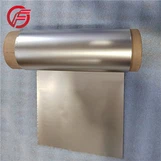
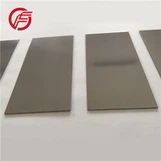
Pure titanium is often used in applications where its high corrosion resistance and biocompatibility are of primary importance. In the medical field, it is used for surgical implants such as dental implants and joint replacements because it is well - tolerated by the human body. In the chemical industry, Titanium Foil Sheet are used in equipment that comes into contact with corrosive chemicals.
5.2 Applications of Titanium Alloys
Titanium alloys find a broader range of applications due to their enhanced properties. In the aerospace industry, they are used for aircraft frames, engine components, and landing gear. The high strength - to - weight ratio and excellent fatigue resistance make them ideal for these critical applications. In the automotive industry, titanium alloys are used in high - performance parts such as exhaust systems and connecting rods to improve performance and reduce weight.
6. Conclusion and Call to Action
In conclusion, the differences between titanium and titanium alloys lie in their composition, properties, cost, and applications. While pure titanium offers excellent corrosion resistance and biocompatibility, titanium alloys provide enhanced strength, formability, and other specialized properties. Understanding these differences is crucial for making the right material choice for your specific project.
If you are in the market for titanium or titanium alloys, whether it's Titanium Foil Sheet, VAR Vacuum melting Gr2 Gr5 Eli Titanium Ingot, or Gr2 Titanium Wires, our team of experts is here to assist you. We can provide detailed information, guidance on material selection, and competitive pricing. Contact us today to start a discussion about your procurement needs. We look forward to helping you find the perfect titanium solution for your applications.
References
- ASM Handbook Committee. (2000). ASM Handbook Volume 2: Properties and Selection: Nonferrous Alloys and Special - Purpose Materials. ASM International.
- Boyer, R. R., Welsch, G., & Collings, E. W. (1994). Materials Properties Handbook: Titanium Alloys. ASM International.