
Titanium and steel are two widely used materials in various industries, each with its own unique set of properties and applications. As a titanium supplier, I often encounter questions about the differences between these two materials. In this blog post, I will delve into the key distinctions between titanium and steel, exploring their composition, physical and mechanical properties, corrosion resistance, and applications.
Composition
Steel is an alloy primarily composed of iron and carbon, with small amounts of other elements such as manganese, silicon, sulfur, and phosphorus. The carbon content in steel can vary significantly, ranging from less than 0.03% in mild steel to over 2% in high - carbon steel. Different alloying elements are added to steel to enhance its properties, such as chromium for corrosion resistance in stainless steel.
Titanium, on the other hand, is a chemical element with the symbol Ti and atomic number 22. Pure titanium is relatively soft, but it forms strong alloys when combined with other elements like aluminum, vanadium, and molybdenum. These alloys are what make titanium so valuable in many industrial applications.
Physical and Mechanical Properties
Density
One of the most significant differences between titanium and steel is their density. Titanium has a density of approximately 4.5 g/cm³, while steel typically has a density ranging from 7.75 to 8.05 g/cm³. This means that titanium is about 40% lighter than steel. The low density of titanium makes it an ideal choice for applications where weight reduction is crucial, such as aerospace and automotive industries.
Strength
Both titanium and steel can have high strength, but the strength - to - weight ratio of titanium is much higher. Titanium alloys can achieve high tensile strengths, often comparable to or even exceeding those of high - strength steels. For example, some titanium alloys can have a tensile strength of up to 1,400 MPa, while high - strength steels can reach similar values. However, due to its lower density, titanium can provide the same strength with less weight.
Hardness
Steel can be hardened through various heat - treatment processes to achieve high hardness levels. Titanium, while not as hard as some high - carbon steels in its pure form, can also be hardened through alloying and heat treatment. Titanium alloys are known for their excellent wear resistance, which makes them suitable for applications such as bearings and cutting tools.
Ductility
Ductility refers to a material's ability to deform under tensile stress without breaking. Titanium generally has good ductility, especially in its pure form and some of its alloys. This allows it to be easily formed into various shapes through processes like forging, rolling, and extrusion. Steel also has varying degrees of ductility depending on its composition and heat treatment.
Corrosion Resistance
One of the most notable advantages of titanium over steel is its exceptional corrosion resistance. Titanium forms a thin, stable oxide layer on its surface when exposed to oxygen, which protects it from further corrosion. This oxide layer is self - healing, meaning that if it is damaged, it will reform quickly in the presence of oxygen.


In contrast, steel is prone to rusting when exposed to moisture and oxygen. Even stainless steel, which contains chromium to enhance its corrosion resistance, can still corrode under certain conditions, such as in the presence of chloride ions. Titanium, on the other hand, is highly resistant to corrosion in a wide range of environments, including seawater, acids, and alkalis. This makes it an ideal material for applications in the marine, chemical, and desalination industries.
Applications
Aerospace Industry
In the aerospace industry, weight reduction is of utmost importance to improve fuel efficiency and performance. Titanium's high strength - to - weight ratio and excellent corrosion resistance make it a preferred material for aircraft components such as airframes, engine parts, and landing gear. For example, the Boeing 787 Dreamliner uses titanium extensively in its construction, accounting for about 15% of the aircraft's weight.
Medical Industry
Titanium is biocompatible, which means it is not rejected by the human body. This property makes it an ideal material for medical implants such as hip and knee replacements, dental implants, and bone plates. Its corrosion resistance also ensures that the implants can last for a long time without deteriorating in the body's environment.
Marine Industry
Due to its excellent corrosion resistance in seawater, titanium is widely used in the marine industry. It is used for propeller shafts, hulls, and other components that are constantly exposed to saltwater. For example, some high - performance yachts use titanium components to improve their durability and performance.
Chemical Industry
In the chemical industry, titanium is used in equipment such as reactors, heat exchangers, and pipes. Its resistance to corrosion in a wide range of chemicals makes it suitable for handling corrosive substances such as acids and alkalis.
Our Titanium Products
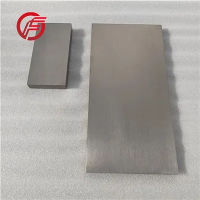
As a titanium supplier, we offer a wide range of high - quality titanium products. For instance, we have the ASTMB265 3.7105 UNS R53400 Gr12 Titanium Sheet, which is known for its excellent corrosion resistance and good mechanical properties. It is suitable for various applications in the chemical and marine industries.
We also provide DIN912 Grade 5 Hexagon Socket Head Titanium Bolts Black Color. These bolts are made from high - strength titanium alloy and are ideal for applications where high strength and corrosion resistance are required, such as in the aerospace and automotive industries.
Another product we offer is the Platinum Coated Titanium Mesh. This mesh is used in electrochemical applications, such as in electroplating and water treatment, due to its excellent conductivity and corrosion resistance.
Conclusion
In conclusion, titanium and steel have distinct differences in terms of composition, physical and mechanical properties, corrosion resistance, and applications. Titanium's low density, high strength - to - weight ratio, and excellent corrosion resistance make it a superior choice in many applications where weight reduction and corrosion resistance are critical. As a titanium supplier, we are committed to providing high - quality titanium products to meet the diverse needs of our customers.
If you are interested in our titanium products or have any questions about the differences between titanium and steel, please feel free to contact us for further discussion and procurement. We look forward to working with you to find the best titanium solutions for your specific requirements.
References
- ASM Handbook, Volume 2: Properties and Selection: Nonferrous Alloys and Special - Purpose Materials
- "Titanium: A Technical Guide" by John C. Williams
- "Metals Handbook Desk Edition" by ASM International