

As a molybdenum supplier, I've seen firsthand how the price of molybdenum can swing like a pendulum. It's a wild ride, and there are a bunch of factors that come into play. In this blog, I'll break down the key elements that affect the price of molybdenum, so you can better understand this volatile market.
Supply and Demand
The most basic economic principle, supply and demand, has a huge impact on the price of molybdenum. When demand for molybdenum outstrips supply, prices go up. Conversely, when supply exceeds demand, prices tend to fall.
Demand
Molybdenum is a versatile metal with a wide range of applications. It's used in the production of steel as an alloying agent to improve strength, hardness, and corrosion resistance. It's also used in the electronics industry, in the production of semiconductors and other high-tech components. The automotive, aerospace, and energy sectors are also major consumers of molybdenum.
When these industries are booming, the demand for molybdenum increases. For example, during periods of rapid industrial growth, the construction and manufacturing sectors use more steel, which in turn drives up the demand for molybdenum. Similarly, the growth of the electronics industry, especially the demand for high-performance semiconductors, can also lead to an increase in molybdenum demand.
Supply
The supply of molybdenum is mainly determined by mining production. Molybdenum is typically mined as a by-product of copper and other base metals. Therefore, the production levels of these metals can have a significant impact on the supply of molybdenum.
If copper prices are high, mining companies may increase their copper production, which can lead to an increase in the supply of molybdenum as a by-product. On the other hand, if copper prices are low, mining companies may reduce their production, which can lead to a decrease in the supply of molybdenum.
In addition to mining production, the availability of molybdenum scrap can also affect the supply. Recycling molybdenum from scrap can help to supplement the supply and reduce the pressure on mining production.
Geopolitical Factors
Geopolitical factors can also have a significant impact on the price of molybdenum. Political instability, trade disputes, and government policies can all affect the supply and demand of molybdenum.
Political Instability
Countries that are major producers of molybdenum, such as China, the United States, and Chile, can be affected by political instability. For example, civil unrest, strikes, or changes in government policies can disrupt mining operations and reduce the supply of molybdenum.
Trade Disputes
Trade disputes between countries can also affect the price of molybdenum. Tariffs, quotas, and other trade barriers can limit the flow of molybdenum between countries, which can lead to shortages and price increases.

Government Policies
Government policies, such as environmental regulations and tax policies, can also affect the production and consumption of molybdenum. For example, stricter environmental regulations can increase the cost of mining and processing molybdenum, which can lead to higher prices.
Market Speculation
Market speculation can also play a role in the price of molybdenum. Speculators, such as hedge funds and commodity traders, can buy and sell molybdenum futures contracts in an attempt to profit from price movements.
When speculators expect the price of molybdenum to rise, they may buy futures contracts, which can drive up the price. Conversely, when they expect the price to fall, they may sell futures contracts, which can drive down the price.
Market speculation can create volatility in the molybdenum market, making it difficult to predict price movements. However, it's important to note that speculation is just one factor among many that can affect the price of molybdenum.
Technological Advancements
Technological advancements can also have an impact on the price of molybdenum. New technologies can lead to the development of alternative materials or more efficient production methods, which can reduce the demand for molybdenum.
For example, the development of new alloys or composite materials that can replace molybdenum in certain applications can reduce the demand for the metal. Similarly, advancements in mining and processing technologies can increase the efficiency of molybdenum production, which can lead to a decrease in the cost of production and a lower price.
Conclusion
In conclusion, the price of molybdenum is affected by a variety of factors, including supply and demand, geopolitical factors, market speculation, and technological advancements. As a molybdenum supplier, it's important to stay informed about these factors and their potential impact on the market.
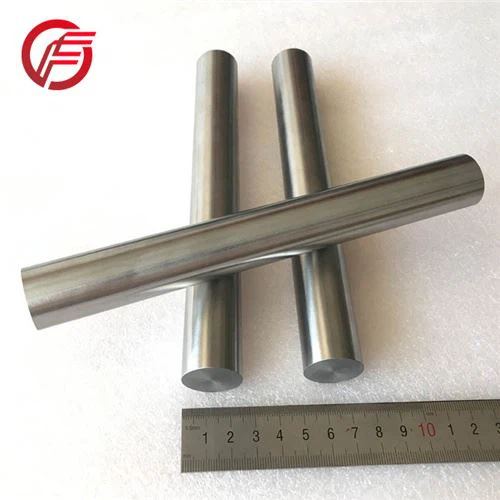
If you're interested in purchasing molybdenum products, we offer a wide range of high-quality molybdenum products, including TZM Molybdenum Alloy Bar, Molybdenum Wire, and Molybdenum High Temperature Alloy TZM Foil. Contact us to discuss your specific requirements, and let's start a conversation about how we can meet your needs.
References
- "Molybdenum Market Outlook." World Bank, 2023.
- "The Role of Molybdenum in Steelmaking." International Molybdenum Association, 2023.
- "Molybdenum: Properties, Applications, and Market Trends." Metal Bulletin, 2023.