
What is the Passivation Film on a Titanium Plate?
As a reliable titanium plate supplier, I've witnessed firsthand the remarkable properties and wide - ranging applications of titanium plates. One of the most fascinating aspects of titanium plates is the passivation film that forms on their surface. In this blog post, I'll delve into the details of what this passivation film is, how it forms, its significance, and its impact on the performance of titanium plates.
What is a Passivation Film?
A passivation film is a thin, protective layer that forms on the surface of a metal. In the case of titanium plates, this film is primarily composed of titanium dioxide (TiO₂). When titanium is exposed to oxygen, a spontaneous oxidation reaction occurs, leading to the formation of this oxide layer. The passivation film is typically very thin, on the order of a few nanometers to a few micrometers.
The formation of the passivation film is a self - limiting process. Once a thin layer of titanium dioxide is formed, it acts as a barrier that prevents further oxidation of the underlying titanium metal. This is because the titanium dioxide layer is chemically stable and has a low reactivity with most substances.
How Does the Passivation Film Form?
The formation of the passivation film on a titanium plate is a natural process that occurs when the titanium is in contact with oxygen. The reaction can be represented by the following chemical equation:
Ti + O₂ → TiO₂
This reaction takes place at room temperature and even at relatively low oxygen concentrations. However, the rate of film formation can be influenced by several factors, such as temperature, humidity, and the presence of certain chemicals. For example, higher temperatures generally accelerate the oxidation process, leading to a faster formation of the passivation film.
In industrial settings, passivation can also be enhanced through chemical treatments. These treatments typically involve immersing the titanium plate in a solution containing oxidizing agents, such as nitric acid or hydrogen peroxide. These chemicals can help to remove any surface contaminants and promote the formation of a more uniform and protective passivation film.
Significance of the Passivation Film
The passivation film on a titanium plate plays a crucial role in enhancing the metal's corrosion resistance. Titanium is already known for its excellent corrosion resistance, but the passivation film further improves this property. It acts as a physical barrier that prevents corrosive agents, such as water, acids, and salts, from coming into direct contact with the underlying titanium metal.
This corrosion resistance makes titanium plates ideal for a wide range of applications, including marine environments, chemical processing plants, and medical devices. In marine applications, for example, titanium plates can withstand the harsh conditions of saltwater without corroding, making them a popular choice for shipbuilding and offshore structures.
In addition to corrosion resistance, the passivation film also affects the biocompatibility of titanium plates. In medical applications, such as orthopedic implants and dental fixtures, the passivation film helps to reduce the risk of adverse reactions between the titanium and the surrounding biological tissues. This is because the titanium dioxide layer is non - toxic and does not trigger an immune response in the body.

Impact on the Performance of Titanium Plates
The presence of the passivation film can also have an impact on the mechanical and physical properties of titanium plates. For example, the film can affect the surface hardness and friction coefficient of the titanium. A well - formed passivation film can increase the surface hardness, which can improve the wear resistance of the titanium plate.
Moreover, the passivation film can influence the adhesion of coatings and paints to the titanium surface. In some applications, it may be necessary to apply a coating to the titanium plate for additional protection or aesthetic purposes. The passivation film can provide a good base for the coating, ensuring better adhesion and durability.
Our Titanium Plate Products
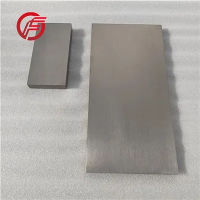
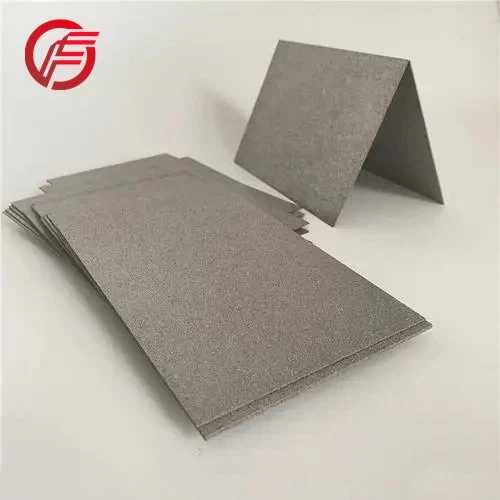
As a titanium plate supplier, we offer a wide range of high - quality titanium plates. Our products include Sintered Porous Plate 1Mm Thickness Titanium Porous Metal Sintered Plate, which is ideal for applications that require high porosity and permeability. We also have Porous Titanium Plate, which offers unique properties for filtration and separation processes.
For applications that require high strength and excellent corrosion resistance, our AMS4911 ASTM B265 6al4v Grade 5 Titanium Plate is a top choice. Grade 5 titanium, also known as Ti - 6Al - 4V, is one of the most widely used titanium alloys due to its high strength - to - weight ratio and good weldability.
Contact Us for Purchase and Negotiation
If you are interested in our titanium plate products, we invite you to contact us for purchase and negotiation. Our team of experts is ready to assist you in selecting the right titanium plate for your specific application. We can provide detailed product information, technical support, and competitive pricing. Whether you are a small - scale manufacturer or a large - scale industrial enterprise, we are committed to meeting your needs and providing you with the best possible service.
References
- "Titanium: A Technical Guide" by John R. Davis
- "Corrosion of Titanium" by Robert W. Revie
- "Biomedical Applications of Titanium and Its Alloys" by Yasuhiko Ikada