
Hey there! As a titanium supplier, I'm super excited to chat about the common surface treatment methods for titanium. Titanium is an awesome metal, known for its high strength, low density, and excellent corrosion resistance. But sometimes, we need to give it a little extra TLC through surface treatments to enhance its performance even more.
Anodizing
One of the most popular surface treatment methods for titanium is anodizing. Anodizing is an electrochemical process that creates a thin oxide layer on the surface of the titanium. This oxide layer not only improves the corrosion resistance of the titanium but also gives it a cool range of colors.
The process is pretty straightforward. First, the titanium piece is cleaned to remove any dirt or grease. Then, it's immersed in an electrolyte solution, and an electric current is applied. The oxygen in the electrolyte reacts with the titanium surface to form the oxide layer. The thickness and color of the oxide layer can be controlled by adjusting the voltage, current, and the type of electrolyte used.
Anodized titanium is used in a wide range of applications. For example, in the jewelry industry, anodized titanium is used to create beautiful, colorful pieces. In the aerospace industry, it can be used on components to improve their corrosion resistance. And if you're into high - performance valves, you might be interested in our Gr2 Gr12 Titanium Ball Valve. Anodizing can enhance the valve's durability and give it a unique look.

Passivation
Passivation is another important surface treatment for titanium. It's a chemical process that removes free iron and other contaminants from the surface of the titanium and forms a protective oxide layer.
The passivation process usually involves immersing the titanium in a nitric acid solution. The acid reacts with the surface of the titanium, removing impurities and promoting the formation of a stable oxide layer. This oxide layer acts as a barrier, preventing further corrosion.
Passivation is crucial for titanium parts that are used in corrosive environments. For instance, in the chemical processing industry, where titanium equipment is often exposed to harsh chemicals, passivation can significantly extend the service life of the equipment. If you're in the market for titanium fasteners, our Titanium Alloy Wheel Nuts can benefit from passivation to ensure they stay in top - notch condition even under tough conditions.
Polishing
Polishing is a mechanical surface treatment method that gives titanium a smooth, shiny finish. There are different levels of polishing, from rough polishing to mirror - like finishes.
The polishing process typically starts with coarse abrasives to remove any surface imperfections. Then, finer and finer abrasives are used to gradually smooth the surface. Finally, a buffing compound is applied to achieve a high - gloss finish.
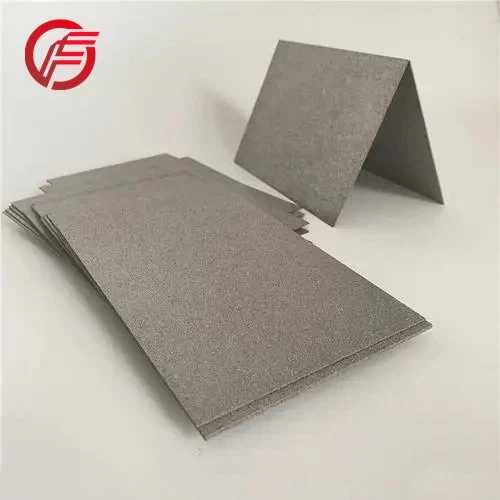
Polished titanium is highly sought after in applications where aesthetics are important. In the architecture and interior design fields, polished titanium is used for decorative elements such as handrails and wall panels. It can also be used in the automotive industry for parts that are visible, like trim pieces. Our Sintered Porous Plate 1Mm Thickness Titanium Porous Metal Sintered Plate can be polished to enhance its appearance and make it more suitable for certain applications.
Coating
Coating is a versatile surface treatment method that can be used to add various properties to titanium. There are different types of coatings, such as ceramic coatings, polymer coatings, and metal coatings.
Ceramic coatings are known for their high hardness and wear resistance. They can be applied to titanium parts that are subject to high - stress and wear, such as cutting tools and engine components. Polymer coatings, on the other hand, can provide good chemical resistance and electrical insulation. They are often used in applications where the titanium needs to be protected from chemicals or where electrical isolation is required. Metal coatings can be used to improve the conductivity or solderability of titanium.
The coating process can be done through different methods, such as spraying, dipping, or physical vapor deposition (PVD). PVD is a popular method for applying thin, hard coatings. It involves depositing a thin layer of coating material onto the titanium surface in a vacuum environment.
Shot Peening
Shot peening is a mechanical surface treatment that involves bombarding the surface of the titanium with small shot particles. This process creates compressive stresses on the surface, which can improve the fatigue resistance of the titanium.
During shot peening, the shot particles hit the surface of the titanium with a certain velocity. The impact of the particles causes plastic deformation on the surface, resulting in compressive stresses. These compressive stresses can prevent crack initiation and propagation, making the titanium more resistant to fatigue failure.
Shot peening is commonly used in the aerospace and automotive industries, where titanium components are often subjected to cyclic loading. For example, in aircraft engines, shot - peened titanium parts can have a longer service life and improve the overall safety of the aircraft.
Comparison and Selection
Each surface treatment method has its own advantages and disadvantages, and the choice of treatment depends on the specific application and requirements.
If you need to improve the corrosion resistance and add a bit of color, anodizing might be a good choice. For removing contaminants and enhancing the natural corrosion - resistant properties, passivation is the way to go. If aesthetics are your top priority, polishing can give your titanium parts a great look. Coating can provide a wide range of additional properties, and shot peening is ideal for improving fatigue resistance.
As a titanium supplier, I can help you determine the best surface treatment method for your needs. Whether you're looking for high - performance valves, fasteners, or plates, we have a wide range of titanium products. And if you need any advice on surface treatments, just reach out to me. We can discuss your applications in detail and find the most suitable solutions.
If you're interested in purchasing titanium products or want to learn more about our surface treatment options, don't hesitate to contact me. We're always ready to have a conversation and help you with your procurement needs.
References
- Totten, G. E., & MacKenzie, D. S. (Eds.). (2003). Handbook of aluminum. CRC press.
-ASM Handbook Committee. (2013). ASM Handbook, Volume 5: Surface Engineering. ASM International.