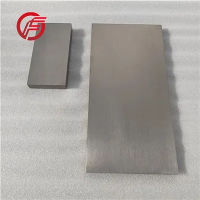

Hey there! As a tantalum supplier, I've been getting a lot of questions about tantalum alloys lately. So, I thought I'd take a moment to break down what these alloys are, their properties, and their applications.


What is Tantalum?
First off, let's talk a bit about tantalum itself. Tantalum is a rare, hard, blue-gray, lustrous transition metal that's highly corrosion-resistant. It has a high melting point, which makes it suitable for high-temperature applications. It's also biocompatible, meaning it's not rejected by the human body, making it useful in medical applications.
Common Alloys of Tantalum
Tantalum - Tungsten Alloys
One of the most well - known tantalum alloys is the tantalum - tungsten alloy. These alloys are created by adding tungsten to tantalum. Tungsten is another high - melting - point metal, and when combined with tantalum, it enhances the alloy's strength and hardness.
Tantalum - tungsten alloys are often used in high - temperature environments, like in aerospace applications. They can withstand the extreme heat generated during rocket launches and re - entry into the Earth's atmosphere. For example, they're used in the construction of rocket nozzles and heat shields.
Tantalum - Niobium Alloys
Tantalum and niobium are quite similar in many ways. They're both refractory metals, meaning they have high melting points and are resistant to heat and wear. When you combine them, you get a tantalum - niobium alloy that has excellent corrosion resistance and good ductility.
These alloys are commonly used in the chemical industry. They can be found in equipment such as reaction vessels and pipes that come into contact with corrosive chemicals. The corrosion resistance of tantalum - niobium alloys ensures that the equipment lasts longer and doesn't contaminate the chemicals being processed.
Tantalum - Titanium Alloys
Tantalum - titanium alloys are a bit different. Titanium is a lightweight metal with good strength - to - weight ratio. When alloyed with tantalum, the resulting alloy combines the corrosion resistance of tantalum with the lightness of titanium.
These alloys are used in the medical field. For instance, they can be used to make implants like dental implants and bone plates. The biocompatibility of tantalum and the strength of titanium make these alloys ideal for long - term use inside the human body.
Properties of Tantalum Alloys
High Melting Point
As I mentioned earlier, most tantalum alloys have a high melting point. This property makes them suitable for applications where they'll be exposed to extreme heat. Whether it's in aerospace, electronics, or the chemical industry, the ability to withstand high temperatures without deforming is crucial.
Corrosion Resistance
Tantalum alloys are highly resistant to corrosion. They can resist the attack of many acids, alkalis, and other corrosive substances. This is why they're so popular in the chemical and marine industries. In the marine environment, where saltwater can cause rapid corrosion of many metals, tantalum alloys can maintain their integrity for a long time.
Strength and Hardness
Depending on the alloying elements, tantalum alloys can have excellent strength and hardness. For example, tantalum - tungsten alloys are very hard and strong, which makes them suitable for applications where wear resistance is important, like in cutting tools.
Applications of Tantalum Alloys
Aerospace
In the aerospace industry, tantalum alloys are used in a variety of components. The high - temperature resistance of tantalum - tungsten alloys makes them perfect for use in jet engines and rocket parts. They can handle the intense heat and stress generated during flight and propulsion.
Electronics
Tantalum alloys are also used in the electronics industry. They're used in the production of capacitors, which are essential components in electronic devices. Tantalum capacitors are known for their high capacitance and stability, which is important for the proper functioning of electronic circuits.
Medical
As I touched on earlier, the biocompatibility of tantalum alloys makes them valuable in the medical field. They're used to make implants that can be safely inserted into the human body. The corrosion resistance of these alloys ensures that they don't break down or release harmful substances over time.
Chemical Industry
In the chemical industry, tantalum alloys are used in equipment that comes into contact with corrosive chemicals. The corrosion resistance of these alloys ensures that the equipment doesn't fail prematurely, which can lead to costly downtime and potential safety hazards.
Related Products and Links
If you're interested in other related products, we also have some great options. Check out our Nickel Tape, which is made with high - quality materials and has excellent conductivity. We also offer the ASTMB162 99.96% Pure Nickel Sheet, which is perfect for a variety of industrial applications. And for those in need of valves, our Gr2 Pure Titanium Globe Valve is a reliable choice.
Conclusion
So, there you have it! That's a rundown of the common alloys of tantalum, their properties, and their applications. Tantalum alloys are truly amazing materials with a wide range of uses across different industries. Whether you're in aerospace, electronics, medical, or the chemical industry, there's likely a tantalum alloy that can meet your needs.
If you're interested in purchasing tantalum alloys or any of our related products, feel free to reach out. We're here to answer your questions and help you find the right materials for your projects. Don't hesitate to contact us for a quote or to discuss your specific requirements.
References
- "Tantalum and Tantalum Alloys" - ASM Handbook, Volume 2: Properties and Selection: Nonferrous Alloys and Special - Purpose Materials
- "Refractory Metals: Tantalum and Niobium" - Springer Handbook of Metals
- "Medical Applications of Tantalum Alloys" - Journal of Biomedical Materials Research