
Hey there! I'm a supplier of Titanium Products, and I often get asked about how to dispose of old titanium products. It's a crucial topic, not just for environmental reasons but also for economic and safety aspects. So, let's dive right into it and explore the various ways to handle those old titanium items.
First off, why is proper disposal of old titanium products so important? Well, titanium is a valuable metal. It's strong, lightweight, and corrosion - resistant, which makes it a popular choice in many industries, from aerospace to medical. If we don't dispose of it correctly, we're not only wasting a precious resource but also potentially harming the environment. Titanium doesn't break down easily in nature, and improper disposal can lead to soil and water contamination.
One of the most common ways to dispose of old titanium products is through recycling. Recycling titanium is a win - win situation. It conserves natural resources and reduces the energy needed to produce new titanium. When you recycle titanium, it goes through a series of processes. First, the old products are collected and sorted. Then, they're cleaned to remove any impurities like dirt, paint, or other metals that might be attached to them.
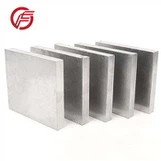
After cleaning, the titanium is melted down. This requires high temperatures because titanium has a very high melting point. Specialized furnaces are used for this purpose. Once melted, the titanium can be shaped into new products. For example, an old titanium aerospace part could be recycled into a ASTMF136 Gr5 Dental Titanium Disc, which is used in the dental industry for making implants and other dental devices.
But recycling isn't always straightforward. Sometimes, the old titanium products are too contaminated or damaged to be recycled directly. In such cases, we need to pre - treat them. One way is through chemical treatment. Chemicals can be used to dissolve certain impurities or to separate different metals. However, this method needs to be done carefully because the chemicals can be hazardous if not handled properly.
Another option for dealing with old titanium products is repurposing. Instead of melting them down, we can find new uses for these products. For instance, an old titanium pipe that was used in an industrial setting could be repurposed as a decorative piece in a garden or a sculpture. Repurposing not only gives a new life to the old products but also saves on the energy and resources that would be used in recycling.
If you're in an industry that uses a lot of titanium, like welding, you might have some leftover titanium scraps. These scraps can be used in welding processes. You can use them as filler material. For example, if you're using AWS A5.14 ERNi1 Nickel Welding Wire for a project, adding some titanium scraps can enhance the strength and durability of the weld.
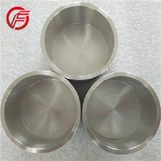
When it comes to small titanium items, like those used in the laboratory, such as 30ml 50ml 100ml Nickel Crucible which might have some titanium residue, proper cleaning and reuse can be a great option. You can clean these crucibles thoroughly and use them again for other experiments or processes.
However, there are some cases where titanium products can't be recycled or repurposed. For example, if a titanium product is highly radioactive or has been contaminated with extremely toxic substances, it needs to be disposed of as hazardous waste. This requires special handling and disposal procedures. You'll need to work with a licensed hazardous waste disposal company. They have the expertise and equipment to handle these dangerous materials safely.
Now, let's talk about how you can start the process of disposing of your old titanium products. First, assess the condition of the products. Are they in good shape? Are they contaminated? This will help you decide whether recycling, repurposing, or hazardous waste disposal is the best option.
If you're considering recycling, look for a reputable recycling facility. Make sure they have the proper certifications and experience in handling titanium. You can also ask for quotes from different facilities to get the best deal. Some recycling facilities might even offer to pick up the old products from your location, which can be very convenient.
For repurposing, get creative! Look online for ideas or consult with designers or artists who might have some unique suggestions. You can also join online communities or forums where people share ideas about repurposing different materials.
If you're dealing with hazardous waste, as I mentioned earlier, find a licensed disposal company. Check their reviews and make sure they follow all the environmental regulations.
As a Titanium Products supplier, I understand the importance of proper disposal. We're committed to helping our customers not only find the right titanium products for their needs but also assisting them in disposing of their old ones responsibly. Whether you're a small business or a large corporation, we can offer advice and guidance on the best disposal methods.


If you're interested in purchasing new titanium products or need more information about titanium disposal, feel free to reach out. We're always here to have a chat and discuss your requirements. Our team of experts can answer all your questions and help you make the right decisions.
In conclusion, disposing of old titanium products is a multi - faceted process. There are different options available, and the choice depends on the condition of the products. Recycling, repurposing, and proper hazardous waste disposal are all important aspects. By taking the right steps, we can ensure that we're using this valuable resource efficiently and protecting our environment at the same time.
References
- "Titanium: Properties, Production, and Applications" - A comprehensive book on titanium that covers its recycling and disposal aspects.
- Industry reports on metal recycling and waste management.