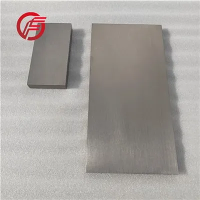

Yo, folks! I'm a supplier of tantalum, and today I wanna chat about how tantalum is used in batteries. It's a pretty cool topic, and I think you'll find it interesting.
First off, let's talk a bit about what tantalum is. Tantalum is a rare, hard, blue-gray, lustrous metal that is highly corrosion-resistant. It has a high melting point, which makes it super useful in a bunch of different industries. But when it comes to batteries, tantalum really shines.
One of the main ways tantalum is used in batteries is in the form of tantalum capacitors. These capacitors are a crucial part of many battery systems. Capacitors are like little energy storage units. They can quickly charge up and then release that energy when needed. Tantalum capacitors are known for their high capacitance per volume, which means they can store a lot of energy in a relatively small space. This is a huge advantage in modern batteries, especially in portable devices like smartphones, laptops, and tablets.
In smartphones, for example, space is at a premium. You want a battery that can power your phone for a long time but also doesn't take up too much room inside the device. Tantalum capacitors help make this possible. They can store energy efficiently and release it when your phone needs a quick boost, like when you're playing a graphics-intensive game or using a power-hungry app.
Another great thing about tantalum capacitors is their stability. They can operate over a wide range of temperatures and voltages without losing their performance. This is really important in batteries because different environments can have a big impact on how well a battery works. Whether you're using your device in the scorching heat of the summer or the freezing cold of winter, tantalum capacitors can keep your battery running smoothly.
But it's not just consumer electronics that benefit from tantalum in batteries. The automotive industry is also starting to rely more on tantalum. With the rise of electric vehicles (EVs), there's a growing need for high-performance batteries. Tantalum can help improve the efficiency and reliability of these batteries. In EVs, the battery is the heart of the vehicle, and any improvement in its performance can lead to better range, faster charging times, and a longer lifespan.
Tantalum can also be used in other types of batteries, like lithium-ion batteries. Lithium-ion batteries are the most common type of rechargeable battery used today, and they power everything from electric toothbrushes to electric cars. By adding tantalum to the battery's design, manufacturers can enhance the battery's energy density, which means it can store more energy per unit of weight. This is a game-changer for applications where weight is a critical factor, such as in aerospace and aviation.
Now, I know what you're thinking. "This all sounds great, but where can I get high-quality tantalum for my battery production?" Well, that's where I come in. As a tantalum supplier, I've got access to some of the best tantalum on the market. Whether you're a small startup working on a new battery technology or a large-scale manufacturer looking to improve your existing products, I can provide you with the tantalum you need.
And if you're in the market for other related products, I've got some great links for you. Check out these awesome products: Sewage Treatment Titanium Anode, Grade2 Titanium Hex Allen Socket Button Head Screws, and DIN912 Grade 5 Hexagon Socket Head Titanium Bolts Black Color. These products are made with high-quality materials and can be a great addition to your projects.
If you're interested in learning more about how tantalum can benefit your battery production or if you want to discuss a potential purchase, don't hesitate to reach out. I'm here to help you find the best solutions for your needs. Whether you have questions about the technical aspects of tantalum in batteries or you're just looking for a reliable supplier, I'm your guy.
In conclusion, tantalum plays a vital role in modern battery technology. Its unique properties make it an essential component in high-performance batteries, from consumer electronics to electric vehicles. As the demand for better batteries continues to grow, the importance of tantalum is only going to increase. So, if you're involved in the battery industry, it's definitely worth considering using tantalum in your products.


If you're ready to take your battery production to the next level, let's have a chat. I'm eager to work with you and help you get the most out of tantalum in your batteries.
References
- "Tantalum: Properties, Applications, and Market Trends" - Journal of Metals and Minerals Research
- "Advances in Battery Technology with Tantalum" - International Journal of Energy Storage