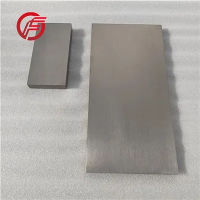

Hey there! I'm a supplier of tantalum materials, and I'm super excited to chat with you about how tantalum interacts with human tissues in medical applications. Tantalum has become a real star in the medical field in recent years, and understanding its interaction with our bodies is crucial.
First off, let's talk about what makes tantalum so special. Tantalum is a rare, hard, blue-gray, lustrous transition metal. It has excellent corrosion resistance, high melting point, and low chemical reactivity. These properties make it a top - pick for medical applications.
One of the key medical uses of tantalum is in implants. When it comes to placing a foreign object like an implant in the human body, the body's immune system can sometimes react. It tries to recognize and fight off what it sees as an invader. But tantalum is unique in that it has a high level of biocompatibility. This means that the human body generally accepts tantalum implants very well.
The body's first line of defense against a foreign object is the formation of a fibrous capsule. This capsule is made up of connective tissue that forms around the implant. With tantalum implants, this fibrous capsule is usually thin and well - organized. This is in contrast to some other materials, which might trigger a more aggressive immune response and lead to a thicker, more irregular fibrous capsule. A thin fibrous capsule is beneficial because it allows for better integration of the implant with the surrounding tissues. It also reduces the risk of complications such as implant migration or rejection.
For example, in orthopedic implants, tantalum is used to replace or support damaged bones. The porous structure of tantalum can be designed to mimic the structure of natural bone. This allows bone cells to grow into the pores, creating a strong bond between the implant and the bone. It's like building a bridge between the artificial implant and our natural skeletal system. This osseointegration process is crucial for the long - term stability and functionality of the implant.
In dental implants, tantalum also shines. The low reactivity of tantalum means that it won't cause any allergic reactions in the oral cavity. The saliva in our mouths is a complex mixture of enzymes, acids, and other substances. Tantalum can withstand this harsh environment without corroding or releasing any harmful substances. This is important because dental implants need to last for a long time, and any corrosion or reaction with the tissues can lead to problems such as pain, infection, or implant failure.
Another area where tantalum is used is in cardiovascular applications. Stents made from tantalum are used to keep blood vessels open. These stents need to be flexible, durable, and able to resist the constant movement and pressure within the blood vessels. Tantalum's mechanical properties make it suitable for this purpose. Moreover, it has a low thrombogenicity, which means that it doesn't easily promote the formation of blood clots. This is crucial because blood clots can block blood flow and cause serious health problems like heart attacks or strokes.
Now, let's touch on the different tantalum products we offer. If you're in the market for some high - quality tantalum materials, we've got you covered. We have UNS R52400 Titanium Grade 7 Concentric Reducers, which are perfect for various medical and industrial piping systems. These reducers are made with precision to ensure a perfect fit and reliable performance.
Our Gr2 ASTMB338 Seamless Titanium Tube is another great option. The seamless design reduces the risk of leakage and makes it easier to clean and sterilize, which is extremely important in medical settings.
And don't forget about our Ti - 0.2Pd UNS R52400 DIN 3.7235 Gr7 Titanium Plate. These plates can be used in a wide range of medical applications, from creating custom implants to building medical equipment.
If you're involved in the medical industry, whether you're a medical device manufacturer, a researcher, or a surgeon, you know how important it is to have access to high - quality materials. Tantalum's unique properties make it an excellent choice for improving medical treatments and patient outcomes. So, if you're interested in learning more about our tantalum materials or want to discuss a potential purchase, don't hesitate to reach out. We're here to help you find the right solutions for your specific needs.


In conclusion, tantalum's interaction with human tissues is a fascinating area of study. Its biocompatibility, corrosion resistance, and mechanical properties make it a valuable asset in medical applications. Whether it's in orthopedics, dentistry, or cardiovascular medicine, tantalum is making a real difference. So, if you're looking for a reliable supplier of tantalum materials, we're just a message away.
References
- Black, J., & Hastings, G. (Eds.). (2004). Definition of terms relating to biomedical applications of materials. Springer Science & Business Media.
- Williams, D. F. (2008). On the mechanisms of biocompatibility. Biomaterials, 29(20), 2941 - 2953.
- Ratner, B. D., Hoffman, A. S., Schoen, F. J., & Lemons, J. E. (Eds.). (2012). Biomaterials science: an introduction to materials in medicine. Academic press.