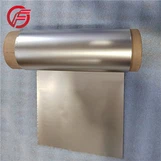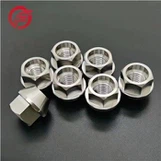

TZM alloy, a molybdenum-based alloy with the addition of titanium, zirconium, and a small amount of carbon, has long been recognized for its excellent high - temperature strength, creep resistance, and thermal conductivity. These properties have made it a popular choice in various industrial applications, such as aerospace, electronics, and metal processing. But the question that often arises is: Can TZM alloy be used in medical applications?


Properties of TZM Alloy Relevant to Medical Use
To understand the potential of TZM alloy in medical applications, we first need to examine its key properties. TZM alloy boasts high strength even at elevated temperatures, which is crucial for applications where materials are exposed to heat, such as during sterilization processes. Sterilization is a fundamental requirement in the medical field to prevent the spread of infections. Many medical instruments need to withstand high - temperature sterilization methods like autoclaving, which typically operates at temperatures around 121 - 134 °C. TZM alloy's ability to maintain its mechanical integrity under these conditions gives it an edge over some other materials.
In addition to its high - temperature strength, TZM alloy has good corrosion resistance. In the medical environment, instruments are often exposed to various chemical agents, body fluids, and cleaning solutions. A material with poor corrosion resistance can degrade over time, leading to the release of potentially harmful substances into the body or causing the instrument to malfunction. The corrosion resistance of TZM alloy means that it can maintain its structural integrity and functionality when in contact with these substances, reducing the risk of contamination and ensuring long - term performance.
Another important aspect is the alloy's machinability. TZM alloy can be processed into various complex shapes and sizes, which is essential for the production of custom - made medical devices. Whether it is a precision surgical tool or an implant with a specific design, the ability to machine the material accurately allows for the creation of devices that meet the exact requirements of medical procedures.
Current Medical Applications of Metals and Alloys
Before delving deeper into the potential of TZM alloy in medicine, it is worth looking at the current use of metals and alloys in the medical field. Titanium alloys, such as Ti - 6Al - 4V Gr5 Gr12 Titanium Alloy Foil, are widely used in medical implants. Titanium is biocompatible, which means it does not trigger a significant immune response when in contact with the human body. This property makes it suitable for long - term implantation, such as hip and knee replacements.
Stainless steel is another commonly used material in medical instruments. It is relatively inexpensive, easy to manufacture, and has good corrosion resistance. However, stainless steel may not be as strong as some other alloys at high temperatures, and in some cases, it can release nickel ions, which may cause allergic reactions in some patients.
Zirconium - based materials, like Zirconium Seamless Tubes, also have applications in the medical field. Zirconium has excellent biocompatibility and is often used in dental implants and some orthopedic devices.
Challenges of Using TZM Alloy in Medical Applications
Despite its promising properties, there are several challenges to using TZM alloy in medical applications. One of the main concerns is biocompatibility. Although TZM alloy has not been widely studied for its biocompatibility compared to well - established medical materials like titanium, there is a need to conduct extensive in - vitro and in - vivo studies. The alloy contains elements such as titanium and zirconium, which are known to be biocompatible, but the overall alloy composition and any potential impurities may affect its interaction with the human body.
Cost is another factor. TZM alloy is more expensive to produce compared to some common medical materials. The production process involves complex alloying and refining steps, which contribute to the higher cost. This can be a significant barrier, especially for large - scale medical applications where cost - effectiveness is a major consideration.
Regulatory approval is also a challenge. The medical field is highly regulated, and any new material or device must go through a rigorous approval process to ensure its safety and efficacy. This process can be time - consuming and costly, and it requires a substantial amount of data on the material's properties and performance.
Potential Medical Applications of TZM Alloy
Despite the challenges, there are several potential medical applications for TZM alloy. One area is in high - temperature medical equipment. For example, in some hyperthermia treatment devices, where high temperatures are used to kill cancer cells, TZM alloy's high - temperature strength and thermal conductivity could make it an ideal material for components such as heating elements.
In the field of surgical instruments, TZM alloy's strength and machinability could be utilized to create more durable and precise tools. Surgical procedures often require instruments that can withstand repeated use and sterilization without losing their sharpness or structural integrity. TZM alloy could potentially be used to make scalpels, forceps, and other surgical instruments that offer better performance compared to traditional materials.
Another potential application is in medical implants. Although more research is needed on its biocompatibility, if proven to be suitable, TZM alloy could be used to create implants that require high strength and corrosion resistance. For example, in orthopedic implants, where the implant needs to support the body's weight and resist the mechanical stress of movement, TZM alloy's properties could provide an advantage.
As a TZM Alloy Supplier
As a supplier of TZM alloy, we are aware of the challenges and opportunities presented by the medical field. We are committed to working with researchers and medical device manufacturers to conduct further studies on the biocompatibility of TZM alloy. Our state - of - the - art manufacturing facilities allow us to produce high - quality TZM alloy products with strict quality control measures.
We also offer a range of related products, such as Gr1 Titanium Wires, which can be used in combination with TZM alloy in some medical applications. Our team of experts is available to provide technical support and guidance on the selection and use of materials for medical devices.
Conclusion
In conclusion, while TZM alloy has many properties that make it potentially suitable for medical applications, there are still challenges to overcome, particularly in terms of biocompatibility, cost, and regulatory approval. However, with continued research and development, there is a possibility that TZM alloy could find its way into various medical applications in the future.
If you are interested in exploring the potential of TZM alloy for your medical applications or have any questions about our products, we encourage you to contact us for a procurement discussion. We look forward to working with you to bring innovative solutions to the medical field.
References
- ASM Handbook Volume 2: Properties and Selection: Nonferrous Alloys and Special - Purpose Materials. ASM International.
- Medical Device Materials: Properties and Applications. Edited by David F. Williams. Wiley - Blackwell.