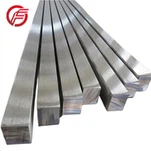


Applications of Nickel Strip:
1. Battery Manufacturing: Nickel strips are used in battery manufacturing, where they function as a current collector. They are placed between the battery's positive and negative electrodes to ensure efficient flow of electrical current.
2. Electrical Conductivity: Nickel strips have excellent electrical conductivity, making them ideal for use in electrical circuits. They are commonly used in printed circuit boards (PCBs) to connect various components and ensure a stable electrical connection.
3. Corrosion Resistance: Nickel strips are highly resistant to corrosion, making them suitable for use in harsh environments. They are commonly used in marine applications and chemical plants, where exposure to corrosive substances is high.
4. Aerospace: Nickel strips are also used in the aerospace industry, where they are used for various applications, including fuel cells, electrical connections, and turbine blades.
Manufacturing Process of Nickel Strip:
Nickel strip is typically manufactured through a process called electroplating. In this process, a thin layer of nickel is deposited onto a metal substrate, such as copper or steel, using an electric current. The thickness of the nickel layer can be controlled to meet specific manufacturing requirements.
Advantages of Using Nickel Strip:
1. High Strength: Nickel strips have high tensile strength, making them suitable for use in applications that require high durability and resistance to wear and tear.
2. Excellent Conductivity: Nickel strips have excellent electrical conductivity, which ensures efficient flow of electrical current in various applications.
3. Corrosion Resistance: Nickel strips are highly resistant to corrosion, making them suitable for use in harsh environments.
4. Versatility: Nickel strips can be customized to meet specific manufacturing requirements, including thickness, width, and length.
Conclusion:
In conclusion, nickel strip is a versatile material that is widely used in various manufacturing applications. Its excellent electrical conductivity, corrosion resistance, and high strength make it an ideal choice for use in battery manufacturing, electrical circuits, and aerospace applications. The electroplating process used to manufacture nickel strips allows for customization to meet specific requirements, making it a highly versatile material.