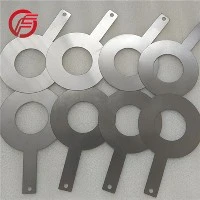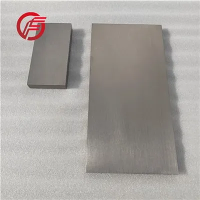

As a supplier of nickel foil, I've witnessed firsthand the importance of understanding the aging behavior of this remarkable material. Nickel foil is widely used in various industries, from electronics to aerospace, due to its excellent electrical conductivity, corrosion resistance, and mechanical properties. However, like all materials, nickel foil is subject to aging, which can affect its performance over time. In this blog post, I'll delve into the aging behavior of nickel foil, exploring the factors that influence it and the implications for its use in different applications.

What is Aging in Materials?
Aging in materials refers to the changes in their properties over time due to various factors, such as temperature, humidity, and exposure to chemicals. These changes can be physical, such as changes in dimensions or hardness, or chemical, such as oxidation or corrosion. Aging can have a significant impact on the performance and reliability of materials, especially in applications where they are subjected to harsh conditions or long-term use.
Factors Affecting the Aging Behavior of Nickel Foil
Several factors can influence the aging behavior of nickel foil, including:
Temperature
Temperature is one of the most significant factors affecting the aging behavior of nickel foil. High temperatures can accelerate the diffusion of atoms within the material, leading to changes in its microstructure and properties. For example, at elevated temperatures, nickel foil may undergo recrystallization, which can result in a change in its grain size and mechanical properties. Additionally, high temperatures can also increase the rate of oxidation, leading to the formation of a protective oxide layer on the surface of the foil.
Humidity
Humidity can also have a significant impact on the aging behavior of nickel foil. In the presence of moisture, nickel foil can undergo corrosion, which can lead to the formation of rust and other corrosion products. The rate of corrosion depends on several factors, including the humidity level, the presence of other chemicals, and the surface finish of the foil. To minimize the effects of humidity, it is important to store nickel foil in a dry environment and to protect it from exposure to moisture.
Chemical Exposure
Exposure to chemicals can also affect the aging behavior of nickel foil. Some chemicals, such as acids and alkalis, can react with nickel foil, leading to corrosion and other chemical changes. Additionally, exposure to certain gases, such as sulfur dioxide and chlorine, can also cause corrosion and other damage to the foil. To minimize the effects of chemical exposure, it is important to choose the appropriate grade of nickel foil for the specific application and to protect it from exposure to harmful chemicals.
Mechanical Stress
Mechanical stress can also influence the aging behavior of nickel foil. When nickel foil is subjected to mechanical stress, such as bending or stretching, it can develop cracks and other defects, which can reduce its strength and durability. Additionally, mechanical stress can also accelerate the rate of corrosion and other chemical changes in the foil. To minimize the effects of mechanical stress, it is important to handle nickel foil carefully and to avoid subjecting it to excessive stress.
Implications for Different Applications
The aging behavior of nickel foil can have significant implications for its use in different applications. For example, in electronic applications, where nickel foil is used as a conductor, aging can affect its electrical conductivity and reliability. Over time, the formation of an oxide layer on the surface of the foil can increase its resistance, leading to a decrease in its electrical performance. Additionally, the development of cracks and other defects in the foil can also cause electrical failures.
In aerospace applications, where nickel foil is used in high-temperature environments, aging can affect its mechanical properties and durability. High temperatures can cause the foil to undergo creep, which is the gradual deformation of the material under stress. This can lead to a decrease in the strength and stiffness of the foil, which can affect its performance in critical applications.
In medical applications, where nickel foil is used in implants and other medical devices, aging can affect its biocompatibility and safety. Over time, the release of nickel ions from the foil can cause allergic reactions and other health problems in patients. To minimize the risk of these problems, it is important to choose the appropriate grade of nickel foil for medical applications and to ensure that it is properly treated and coated to prevent the release of nickel ions.
How to Minimize the Effects of Aging
To minimize the effects of aging on nickel foil, it is important to take several steps, including:
Choose the Right Grade of Nickel Foil
Different grades of nickel foil have different properties and are suitable for different applications. When choosing nickel foil, it is important to consider the specific requirements of the application, such as the temperature, humidity, and chemical exposure. For example, if the application requires high-temperature resistance, it is important to choose a grade of nickel foil that has a high melting point and good thermal stability.
Store Nickel Foil Properly
To minimize the effects of humidity and other environmental factors, it is important to store nickel foil in a dry environment and to protect it from exposure to moisture and other chemicals. Additionally, it is important to store nickel foil in a way that prevents it from being damaged or deformed.
Use Appropriate Coating and Surface Treatment
Coating and surface treatment can help to protect nickel foil from corrosion and other chemical changes. For example, a thin layer of oxide or other protective coating can be applied to the surface of the foil to prevent the formation of rust and other corrosion products. Additionally, surface treatment can also improve the adhesion of the foil to other materials, which can enhance its performance in different applications.
Monitor the Aging Behavior of Nickel Foil
To ensure the long-term performance and reliability of nickel foil, it is important to monitor its aging behavior over time. This can be done by conducting regular inspections and tests to detect any changes in the properties of the foil. Additionally, it is important to keep records of the aging behavior of the foil, which can help to identify any trends or patterns that may indicate a potential problem.
Conclusion
In conclusion, the aging behavior of nickel foil is an important consideration for its use in various applications. By understanding the factors that influence the aging behavior of nickel foil and taking appropriate steps to minimize its effects, it is possible to ensure the long-term performance and reliability of this remarkable material.
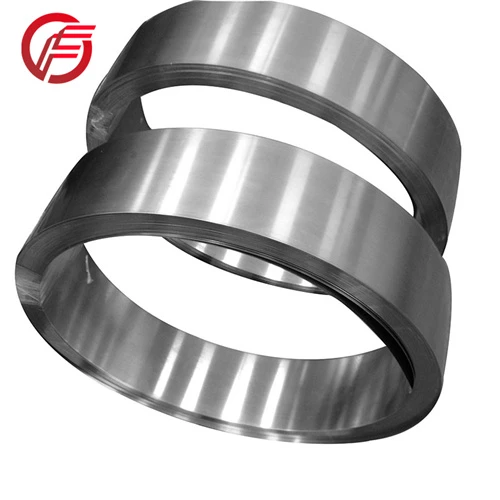
If you are interested in purchasing nickel foil for your specific application, we offer a wide range of high-quality nickel foil products, including ASTM B162 JIS H4550 Nickel 200 Foil, Nickel 201 Strip ASTM B162, and N02201 N02200 Pure Nickel Foil. Our team of experts can help you choose the right grade of nickel foil for your needs and provide you with the support and guidance you need to ensure its successful use in your application. Contact us today to discuss your requirements and start the procurement process.
References
- ASM Handbook, Volume 1: Properties and Selection: Irons, Steels, and High-Performance Alloys. ASM International, 1990.
- Metals Handbook Desk Edition, 2nd Edition. ASM International, 1998.
- Nickel and Nickel Alloys: Properties, Processing, and Applications. ASM International, 2000.