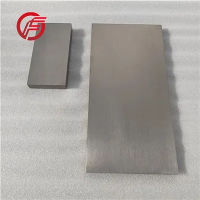

Quality control is a critical aspect of Ni foil production, ensuring that the final product meets the high - standards required by various industries. As a Ni foil supplier, we implement a series of comprehensive quality control measures throughout the production process.
Raw Material Inspection
The quality of Ni foil starts with the raw materials. We carefully select high - purity nickel ingots as the starting point. These ingots are sourced from reliable suppliers who have a proven track record of providing high - quality materials. When the ingots arrive at our facility, a strict inspection process begins.
We conduct chemical analysis of the raw nickel ingots. This is achieved through advanced spectroscopic techniques. For example, we use X - ray fluorescence (XRF) analysis, which can accurately determine the elemental composition of the nickel. By comparing the results with our pre - set standards, we can ensure that the nickel ingots have the appropriate purity level, usually above 99.5%. Any impurities can significantly affect the performance of the Ni foil, such as reducing its electrical conductivity or corrosion resistance.
In addition to chemical analysis, we also inspect the physical appearance of the ingots. We look for surface defects, such as cracks, pits, or inclusions. These physical defects can propagate during the subsequent processing steps and lead to poor - quality Ni foil. Any ingots that do not meet our physical appearance standards are rejected.
Melting and Casting Control
Once the raw nickel ingots pass the inspection, they are melted in a high - temperature furnace. To ensure the quality of the molten nickel, we closely monitor the melting process. The temperature of the furnace is precisely controlled within a narrow range. This is crucial because an incorrect melting temperature can lead to non - uniform distribution of elements in the molten metal, resulting in inhomogeneous properties of the final Ni foil.
We use thermocouples placed at multiple locations inside the furnace to continuously measure the temperature. If the temperature deviates from the set value, the furnace control system automatically adjusts the heating power to bring the temperature back to the desired level.
During the casting process, we also pay attention to the flow of the molten nickel. We use molds with specific designs to ensure that the molten metal fills the mold evenly. This helps to avoid the formation of internal voids or porosity in the cast nickel billets. After casting, the billets are subjected to non - destructive testing, such as ultrasonic testing, to detect any internal defects.
Rolling Process Monitoring
The rolling process is one of the most crucial steps in Ni foil production. We start with the cast billets and gradually reduce their thickness through a series of rolling passes. Two - high and four - high rolling mills are commonly used in our production line.
To ensure the quality of the Ni foil during rolling, we monitor several key parameters. The rolling force is carefully controlled. If the rolling force is too high, it may cause the foil to crack or tear. On the other hand, if the rolling force is too low, the desired thickness reduction may not be achieved. We use load cells to measure the rolling force and adjust the mill settings accordingly.


In addition, the rolling speed is also an important factor. A consistent rolling speed helps to ensure the uniformity of the foil thickness. We use speed sensors to monitor the rolling speed and make real - time adjustments to maintain a stable speed throughout the rolling process.
After each rolling pass, we measure the thickness of the Ni foil using precision thickness gauges. The measured thickness is compared with the set target, and any deviation is corrected immediately by adjusting the mill gap. This iterative process continues until the Ni foil reaches the desired final thickness.
Surface Quality Inspection
The surface quality of Ni foil is of great importance, especially for applications such as electronics and battery manufacturing. Any surface defects, such as scratches, dents, or oxidation, can affect the performance of the Ni foil in these applications.
We use visual inspection stations combined with automated optical inspection systems. At the visual inspection stations, trained operators carefully examine the Ni foil under proper lighting conditions. They look for obvious surface defects with the naked eye. The automated optical inspection systems, on the other hand, use high - resolution cameras and advanced image - processing algorithms to detect even the smallest surface defects.
For example, the automated system can detect micro - scratches that may not be visible to the human eye. If any surface defects are detected, the affected parts of the Ni foil are either re - worked or scrapped, depending on the severity of the defect.
Mechanical and Physical Property Testing
The Ni foil must meet certain mechanical and physical property requirements. We conduct a series of tests to ensure that these requirements are met.
Tensile testing is commonly used to evaluate the mechanical properties of the Ni foil, such as its ultimate tensile strength, yield strength, and elongation. We cut specimens from the Ni foil according to the relevant standards and test them using a tensile testing machine. By comparing the test results with the required values, we can ensure that the Ni foil has sufficient strength and ductility for its intended applications.
Electrical conductivity testing is also crucial for Ni foil used in electrical applications. We use four - point probe measurement techniques to accurately measure the electrical conductivity of the Ni foil. This helps to ensure that the Ni foil can effectively conduct electricity without excessive power loss.
Packaging and Storage Quality Control
Once the Ni foil passes all the above - mentioned quality control tests, it is ready for packaging. We use high - quality packaging materials to protect the Ni foil from physical damage, moisture, and oxidation during transportation and storage.
The Ni foil is first wrapped in a protective film, which provides a barrier against moisture and contaminants. Then, it is placed in a sealed container, such as a plastic bag or a metal can. Labels are attached to the packaging, indicating the specifications of the Ni foil, such as its thickness, width, and purity.
During storage, we maintain a controlled environment. The storage area is kept clean, dry, and at a constant temperature. This helps to prevent any degradation of the Ni foil quality over time.
In our experience, the implementation of these strict quality control measures has enabled us to provide high - quality Ni foil to our customers. Our Ni foil is widely used in various industries, such as electronics, battery manufacturing, and aerospace. We also offer other high - quality products like ASTMB381 High strength Titanium Forged ring, AWSA5.16 R52400 3.7235 Titanium Grade 7 Filler Rods and Titanium Screen Mesh.
If you are in need of high - quality Ni foil or any of our other products, we invite you to contact us for purchasing and negotiation. We are committed to providing you with the best products and services that meet your specific requirements.
References
- Smith, J. K. (2018). Quality Control in Metal Foil Production. Metalworking Journal.
- Johnson, R. L. (2019). Advanced Techniques for Monitoring and Controlling Nickel Foil Manufacturing Processes. Manufacturing Science Review.
- Brown, S. M. (2020). Surface Quality Inspection Methods for Thin Metal Foils. Quality Assurance Quarterly.