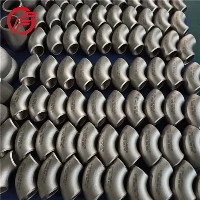

When installing a titanium elbow, having the right set of tools is crucial for a smooth, efficient process. As a reputable titanium elbow supplier, I understand the importance of equipping our customers with the knowledge of the necessary installation tools. In this blog post, I will delve into the essential tools required for installing a titanium elbow and provide insights into their functions.


Measuring Tools
Accurate measurements are the foundation of a successful titanium elbow installation. The following measuring tools are indispensable:
- Tape Measure: A tape measure is used to measure the length, diameter, and other dimensions of the titanium elbow and the pipes it will connect to. Ensure that the tape measure is flexible and has clear markings for precise measurements.
- Vernier Caliper: This tool is more precise than a tape measure and is used to measure the internal and external diameters of the titanium elbow. A vernier caliper can provide measurements up to 0.02 mm, which is essential for ensuring a proper fit.
- Angle Finder: Since titanium elbows come in various angles, an angle finder is necessary to determine the correct angle of the elbow and ensure that it aligns with the piping system. This tool helps in achieving accurate bends and connections.
Cutting Tools
Cutting the pipes to the appropriate length is a critical step in the installation process. The following cutting tools are commonly used for titanium pipes:
- Titanium Pipe Cutter: A specialized pipe cutter designed for titanium pipes is the most efficient tool for making clean and precise cuts. These cutters use a sharp blade to score the pipe and then apply pressure to break it along the scored line.
- Band Saw: For larger diameter pipes or when a more precise cut is required, a band saw can be used. A band saw with a titanium cutting blade can make straight and smooth cuts through the pipe.
- Plasma Cutter: In some cases, a plasma cutter may be used to cut titanium pipes. This tool uses a high-velocity jet of ionized gas to melt and cut through the metal. Plasma cutters are suitable for cutting thick-walled titanium pipes.
Fitting Tools
Once the pipes are cut to the correct length, the next step is to connect the titanium elbow to the pipes. The following fitting tools are essential for this process:
- Pipe Wrench: A pipe wrench is used to tighten and loosen threaded connections. It has a serrated jaw that grips the pipe tightly, allowing for easy adjustment and installation.
- Socket Wrench: Socket wrenches are used to tighten and loosen nuts and bolts. They come in various sizes and can be used to connect the titanium elbow to the pipes using flange connections.
- Teflon Tape: Teflon tape, also known as plumber's tape, is used to create a seal between threaded connections. It is wrapped around the threads of the pipes and fittings before installation to prevent leaks.
- Flange Alignment Tool: When using flange connections, a flange alignment tool is necessary to ensure that the flanges are properly aligned. This tool helps in achieving a tight and leak-free connection.
Welding Tools
In some cases, welding may be required to connect the titanium elbow to the pipes. The following welding tools are commonly used for titanium welding:
- TIG Welder: TIG (Tungsten Inert Gas) welding is the most common method for welding titanium. A TIG welder uses a non-consumable tungsten electrode to create an arc and a filler metal to join the two pieces of titanium. TIG welding provides precise control and produces high-quality welds.
- Argon Gas Cylinder: Argon gas is used as a shielding gas in TIG welding to protect the weld from oxidation and contamination. An argon gas cylinder is required to supply the gas during the welding process.
- Welding Helmet: A welding helmet is essential for protecting the welder's face and eyes from the intense light and heat generated during welding. It also protects from sparks and debris.
- Welding Gloves: Welding gloves are used to protect the welder's hands from the heat and sparks generated during welding. They are made of heat-resistant materials and provide a good grip on the welding tools.
Safety Tools
Safety should always be a top priority when installing a titanium elbow. The following safety tools are essential for a safe installation process:
- Safety Glasses: Safety glasses protect the eyes from flying debris, sparks, and dust during the installation process.
- Ear Protection: Ear protection, such as earplugs or earmuffs, is necessary to protect the ears from the loud noise generated by cutting and welding tools.
- Respirator: A respirator is used to protect the lungs from inhaling harmful fumes and dust generated during the installation process. It is especially important when working with welding and cutting tools.
- Fire Extinguisher: A fire extinguisher should be readily available in case of a fire. It is important to choose a fire extinguisher that is suitable for extinguishing fires involving titanium and other metals.
Additional Considerations
In addition to the tools mentioned above, there are a few other considerations to keep in mind when installing a titanium elbow:
- Surface Preparation: Before installing the titanium elbow, it is important to ensure that the surfaces of the pipes and fittings are clean and free of debris. This can be done using a wire brush or sandpaper.
- Lubrication: Applying a small amount of lubricant to the threads of the pipes and fittings can make it easier to install and remove the titanium elbow.
- Torque Specifications: When tightening the nuts and bolts, it is important to follow the manufacturer's torque specifications. Over-tightening can damage the threads and cause leaks, while under-tightening can result in a loose connection.
- Inspection: After the installation is complete, it is important to inspect the connection for leaks and ensure that it is secure. This can be done by applying pressure to the system and checking for any signs of leakage.
Conclusion
Installing a titanium elbow requires a combination of the right tools, knowledge, and skills. By using the appropriate measuring, cutting, fitting, welding, and safety tools, you can ensure a successful installation process. As a titanium elbow supplier, we are committed to providing our customers with high-quality products and the necessary information to help them install our products correctly.
If you are interested in purchasing titanium elbows or have any questions about the installation process, please feel free to [contact us] for more information and to discuss your specific requirements. We look forward to working with you and providing you with the best solutions for your piping needs.
References
- ASME Boiler and Pressure Vessel Code, Section IX - Welding and Brazing Qualifications
- AWS D1.9/D1.9M:2015 - Structural Welding Code - Titanium
- Titanium Pipe Fittings Handbook, [Publisher]