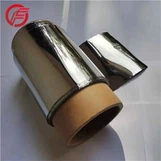

Hey there, folks! I'm a supplier of tantalum material, and today I wanna dig deep into the heat treatment processes for tantalum material.
First off, let's understand why heat treatment is so important for tantalum. Tantalum is a super - special metal. It's got a high melting point, great corrosion resistance, and good ductility. Heat treatment can adjust its mechanical properties, like hardness, strength, and toughness. Plus, it can get rid of internal stresses caused by processing, improving the overall quality and performance of the tantalum products.
Annealing Process
The most common heat treatment process for tantalum is annealing. Annealing is basically like giving the tantalum a little vacation to relax its internal structure. There are different types of annealing we usually use.
Full Annealing
Full annealing involves heating the tantalum to a temperature above the recrystallization temperature. For tantalum, this temperature is typically around 1200 - 1400°C. We hold it at this temperature for a certain period. The time depends on the size and shape of the tantalum material. After that, we slowly cool it down. This slow cooling is crucial as it allows the tantalum to form a uniform and stable grain structure.
One of the main benefits of full annealing is that it reduces the hardness of the tantalum. This makes it easier to work with during subsequent processing steps like machining or forming. And it also enhances the ductility, so the tantalum can be stretched or bent without cracking. If you're using tantalum in applications where you need to shape it into complex geometries, full - annealed tantalum is gonna be your best friend.
Stress - Relief Annealing
Stress - relief annealing is a bit different. We heat the tantalum to a lower temperature, usually around 600 - 800°C. The goal here is to relieve the internal stresses that build up during processes like cold working, welding, or casting. When we cold - work tantalum, it gets deformed, and that creates internal stresses. These stresses can cause warping or cracking over time.
By heating the tantalum at this lower temperature and holding it there for a while, we allow the atoms in the metal to rearrange and relieve those stresses. Then we let it cool down. This process doesn't change the grain structure of the tantalum as much as full annealing, but it makes the material more stable and less likely to have problems in the long run.
Quenching and Tempering
Quenching is a process where we heat the tantalum to a high temperature and then rapidly cool it. This can significantly increase the hardness of the tantalum. However, quenching alone can make the tantalum very brittle. That's where tempering comes in.
After quenching, we temper the tantalum by heating it to a moderate temperature, usually between 200 - 500°C. We hold it at this temperature for a set time and then cool it down at a controlled rate. Tempering reduces the brittleness created by quenching while still maintaining a relatively high level of hardness.
This heat - treatment combination is useful when you need tantalum parts with high wear resistance. For example, in some high - performance manufacturing equipment where the tantalum parts are subject to a lot of friction and wear, quenched and tempered tantalum can last much longer.


Normalizing
Normalizing is another option. We heat the tantalum to a temperature slightly above the recrystallization temperature (similar to full annealing), but then we cool it in air instead of slowly in a furnace. This faster cooling rate compared to full annealing results in a finer grain structure.
The finer grain structure gives the tantalum better strength and toughness. Normalized tantalum is often used in applications where you need a good balance of mechanical properties. It's a bit stronger than annealed tantalum and can handle more stress without deforming too much.
Now, I'd like to mention some of the tantalum - related products you might be interested in. If you're also looking for titanium materials, we have some great options. You can check out the CP titanium ASTMB265 Gr1~Gr4 Pure Titanium Sheet. It's a high - quality titanium sheet with different grades to meet various needs. And for those who need titanium bars, the UNS R50700 Grade4 Titanium Bar is a great choice. It's strong and reliable. Also, if you're in the market for titanium fasteners, take a look at the DIN912 Grade 5 Hexagon Socket Head Titanium Bolts Black Color. They're durable and look great too.
If you're interested in our tantalum materials or any of the mentioned products, I'd love to talk to you. Whether you have questions about the heat - treatment processes, need a specific product, or want to discuss your requirements, don't hesitate to reach out. We can have a nice chat and see how we can work together to get you exactly what you need.
In conclusion, heat treatment plays a vital role in optimizing the properties of tantalum material. By choosing the right heat - treatment process, we can make tantalum suitable for a wide range of applications. So if you're in the market for high - quality tantalum, just get in touch, and we'll find the perfect solution for you.
References
- Smith, J. (2018). Handbook of Tantalum and Niobium Alloys. Elsevier.
- Brown, R. (2020). Heat Treatment of Refractory Metals. Metallurgy Press.