
Hey there! As a titanium supplier, I've been in the thick of the titanium game for quite a while. One question that often pops up is about the effects of acidic environments on titanium. It's a super important topic, especially for those who use titanium in various industries. So, let's dive right in and explore what happens when titanium meets acids.


First off, titanium is known for its amazing corrosion resistance. It's like a superhero in the metal world when it comes to standing up against corrosion. But that doesn't mean it's invincible, especially when it comes to acidic environments.
When titanium is exposed to certain acids, a thin oxide layer forms on its surface. This oxide layer is like a protective shield that helps prevent further corrosion. However, not all acids are created equal. Some acids are more aggressive than others and can break down this protective layer over time.
For example, hydrochloric acid and sulfuric acid are pretty tough on titanium. These strong acids can react with the titanium and cause pitting corrosion. Pitting corrosion is when small holes or pits form on the surface of the metal. It might not seem like a big deal at first, but these pits can grow deeper and deeper, eventually weakening the metal and leading to failure.
On the other hand, some acids like nitric acid and chromic acid actually help strengthen the oxide layer on titanium. These acids are passivating acids, which means they promote the formation of a thicker and more protective oxide layer. So, in some cases, exposure to these acids can actually improve the corrosion resistance of titanium.
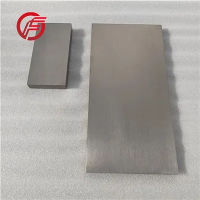
Now, let's talk about the different forms of titanium products we supply. We have some really cool stuff, like the Titanium Rectangular Bar Or Rec Bar. These bars are used in a wide range of applications, from aerospace to medical devices. When these bars are exposed to acidic environments, the effects can vary depending on the type of acid and the duration of exposure.
Another popular product is the Alloy Grade 23 Ti6al4V Eli Titanium Bar. This alloy is known for its high strength and excellent corrosion resistance. However, even this tough alloy can be affected by acidic environments. The presence of aluminum and vanadium in the alloy can change the way it reacts with acids compared to pure titanium.
We also offer Titanium Weld Neck Flange. These flanges are used in piping systems, and they need to be able to withstand the corrosive effects of the fluids flowing through the pipes. If the fluid is acidic, it's crucial to choose the right type of titanium and take appropriate measures to protect the flanges from corrosion.
So, what can you do to protect titanium from the effects of acidic environments? Well, one option is to use coatings. There are various types of coatings available that can provide an extra layer of protection for titanium. These coatings can act as a barrier between the metal and the acid, preventing direct contact and reducing the risk of corrosion.
Another important factor is to control the environment. If possible, try to keep the pH level of the acidic solution within a certain range. This can help minimize the corrosive effects of the acid on titanium. Additionally, regular inspection and maintenance of titanium products are essential. By catching any signs of corrosion early on, you can take steps to prevent further damage.
In conclusion, the effects of acidic environments on titanium can be complex. While titanium is generally corrosion-resistant, certain acids can cause problems. As a titanium supplier, we understand the importance of providing high-quality products and offering advice on how to protect them from corrosion. Whether you're in the aerospace, medical, or any other industry that uses titanium, it's crucial to be aware of these effects and take appropriate measures to ensure the longevity and performance of your titanium products.
If you're interested in purchasing titanium products or have any questions about how they perform in acidic environments, don't hesitate to reach out. We're here to help you make the right choices for your specific needs. Let's start a conversation and see how we can work together to meet your titanium requirements.
References
- Jones, D. A. (1992). Principles and Prevention of Corrosion. Prentice Hall.
- Uhlig, H. H., & Revie, R. W. (1985). Corrosion and Corrosion Control: An Introduction to Corrosion Science and Engineering. Wiley.