
As a tantalum rod supplier, I'm often asked about the machining process of tantalum rods. Tantalum is a highly valuable metal known for its excellent corrosion resistance, high melting point, and good ductility. These properties make it a popular choice in various industries, including aerospace, electronics, and chemical processing. In this blog, I'll walk you through the steps of machining a tantalum rod, from material selection to the final finishing touches.
Material Selection
The first step in machining a tantalum rod is selecting the right material. Tantalum comes in different grades, each with its own set of properties and applications. For most machining applications, high-purity tantalum is preferred due to its superior mechanical and chemical properties.
One of the most common grades of tantalum used in machining is RO5200 Pure 99.95% Polished Tantalum Rods RO5200 Pure 99.95% Polished Tantalum Rods. This grade of tantalum has a high purity level, which ensures excellent corrosion resistance and mechanical properties. It is also available in a polished finish, which makes it suitable for applications where a smooth surface is required.
Another popular grade of tantalum is ASTM B365 Pure Tantalum Bar ASTM B365 Pure Tantalum Bar. This grade of tantalum is commonly used in the production of high-quality tantalum components, such as capacitors, heat exchangers, and chemical processing equipment. It has a high melting point and excellent corrosion resistance, making it suitable for use in harsh environments.
Cutting and Shaping
Once the material has been selected, the next step is to cut and shape the tantalum rod. This can be done using a variety of machining techniques, including turning, milling, and drilling.
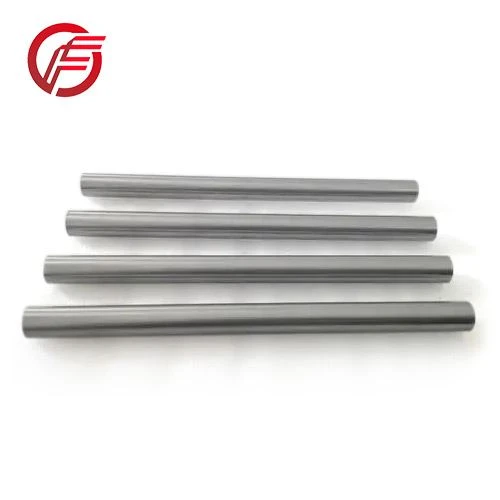

Turning is a common machining process used to create cylindrical shapes. In turning, the tantalum rod is rotated on a lathe while a cutting tool is used to remove material from the surface of the rod. This process can be used to create a variety of shapes, including straight rods, tapered rods, and threaded rods.
Milling is another machining process used to create complex shapes. In milling, a rotating cutting tool is used to remove material from the surface of the tantalum rod. This process can be used to create slots, grooves, and other features on the surface of the rod.
Drilling is a machining process used to create holes in the tantalum rod. In drilling, a drill bit is used to penetrate the surface of the rod and create a hole. This process can be used to create holes of various sizes and depths.
Heat Treatment
After the tantalum rod has been cut and shaped, it may be necessary to heat treat the rod to improve its mechanical properties. Heat treatment involves heating the rod to a specific temperature and then cooling it at a controlled rate. This process can be used to improve the hardness, strength, and ductility of the tantalum rod.
There are several different types of heat treatment processes that can be used on tantalum rods, including annealing, quenching, and tempering. Annealing is a heat treatment process that involves heating the rod to a specific temperature and then cooling it slowly. This process can be used to relieve stress in the rod and improve its ductility.
Quenching is a heat treatment process that involves heating the rod to a specific temperature and then cooling it rapidly. This process can be used to improve the hardness and strength of the rod.
Tempering is a heat treatment process that involves heating the rod to a specific temperature and then cooling it at a controlled rate. This process can be used to improve the toughness and ductility of the rod.
Finishing
The final step in machining a tantalum rod is finishing. Finishing involves removing any rough edges or burrs from the surface of the rod and polishing the surface to a smooth finish. This process can be done using a variety of techniques, including grinding, sanding, and buffing.
Grinding is a finishing process that involves using a grinding wheel to remove material from the surface of the rod. This process can be used to remove rough edges and burrs from the surface of the rod and to create a smooth finish.
Sanding is a finishing process that involves using sandpaper to remove material from the surface of the rod. This process can be used to create a smooth finish on the surface of the rod and to remove any scratches or imperfections.
Buffing is a finishing process that involves using a buffing wheel to polish the surface of the rod. This process can be used to create a high-gloss finish on the surface of the rod and to enhance its appearance.
Conclusion
Machining a tantalum rod is a complex process that requires careful planning and execution. By following the steps outlined in this blog, you can ensure that your tantalum rod is machined to the highest standards of quality and precision.
If you're interested in purchasing tantalum rods for your next project, please don't hesitate to contact us. We're a leading supplier of tantalum rods and can provide you with high-quality products at competitive prices. Our team of experts is also available to answer any questions you may have about the machining process or the properties of tantalum.
References
- ASM Handbook, Volume 6: Welding, Brazing, and Soldering
- Metals Handbook Desk Edition, 2nd Edition
- Tantalum and Niobium: Properties, Processing, and Applications