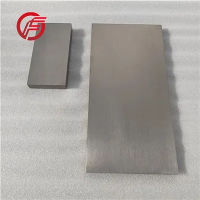

Achieving a smooth surface finish on moly TZM is crucial for various applications, especially in industries where precision and quality are paramount. As a trusted moly TZM supplier, we understand the challenges and intricacies involved in this process. In this blog post, we will explore the key factors and techniques to help you achieve a smooth surface finish on moly TZM effectively.
Understanding Moly TZM
Moly TZM, also known as molybdenum - titanium - zirconium alloy, is a high - performance material valued for its excellent strength, high - temperature resistance, and good creep resistance. It is widely used in aerospace, electronics, and metallurgical industries. Its unique properties, however, also pose some challenges when it comes to achieving a smooth surface finish.
Factors Affecting Surface Finish
Before delving into the methods of achieving a smooth surface, it's important to understand the factors that can affect the surface quality of moly TZM.
- Material Purity: The purity of moly TZM can significantly impact the surface finish. Impurities in the material may cause uneven wear during machining or finishing processes, leading to a rough surface. Higher - purity moly TZM generally results in better surface quality.
- Machining Parameters: The choice of machining parameters such as cutting speed, feed rate, and depth of cut plays a crucial role. Incorrect parameters can cause tool chatter, excessive heat generation, and tool wear, all of which can degrade the surface finish.
- Tool Selection: The type and quality of the cutting tools used also affect the surface finish. For moly TZM, tools made of high - speed steel or carbide are commonly used. Carbide tools, in particular, offer better wear resistance and can produce a smoother surface under the right conditions.
- Coolant and Lubrication: Using an appropriate coolant and lubrication system is essential. Coolants help to reduce heat generated during machining, prevent chip welding, and improve the cutting action. Proper lubrication can also minimize friction between the tool and the workpiece, resulting in a smoother surface.
Techniques for Achieving a Smooth Surface Finish
Machining Processes
- Turning: In turning operations, optimizing the cutting speed and feed rate is critical. A lower feed rate can reduce the surface roughness. For example, a feed rate of 0.05 - 0.1 mm/r is often recommended for moly TZM. Using a sharp cutting tool and ensuring proper alignment of the workpiece and the tool can also improve the surface finish.
- Milling: In milling, a high - speed milling process with a smaller step - over distance can help achieve a smooth surface. The use of end mills with a higher number of flutes can also reduce the scallop height on the surface, resulting in a smoother appearance. Additionally, multi - pass milling with decreasing depths of cut in each pass can be effective in improving the surface quality.
- Grinding: Grinding is a common method for achieving a very smooth surface finish on moly TZM. The choice of grinding wheels is important. Wheels with a fine grit size are typically used to produce a smooth surface. However, it's necessary to control the grinding parameters carefully to avoid over - heating the material, which can cause surface cracks.
Post - machining Treatments
- Polishing: After machining, polishing can further enhance the surface finish. Different polishing methods can be used, such as mechanical polishing and chemical polishing. Mechanical polishing involves using abrasive materials to gradually remove the surface irregularities. Chemical polishing, on the other hand, uses chemical solutions to etch the surface and create a smooth finish.
- Electropolishing: Electropolishing is a highly effective technique for moly TZM. It uses an electrochemical process to remove a thin layer of material from the surface, resulting in a mirror - like finish. This process can also improve the corrosion resistance of the material.
Quality Control and Inspection
To ensure that the desired smooth surface finish is achieved, quality control and inspection are essential.
- Surface Roughness Measurement: Tools such as profilometers can be used to measure the surface roughness. By setting specific surface roughness requirements and regularly measuring the parts during the manufacturing process, any deviations can be detected early and corrective actions can be taken.
- Visual Inspection: Visual inspection can also reveal surface defects such as cracks, pits, or scratches. Using a magnifying glass or a microscope can help to detect even the smallest defects.
Applications of Moly TZM with Smooth Surface Finish
The applications of moly TZM with a smooth surface finish are diverse.
- Aerospace Industry: In aerospace, moly TZM components with a smooth surface finish are used in engine parts, such as turbine blades and nozzles. The smooth surface reduces aerodynamic drag and improves the overall performance of the engine.
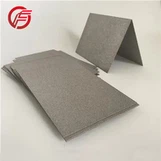
- Electronics Industry: In the electronics industry, Molybdenum High Temperature Alloy Tzm Foil with a smooth surface is used for semiconductor manufacturing. The smooth surface ensures better electrical contact and reduces the risk of short - circuits.
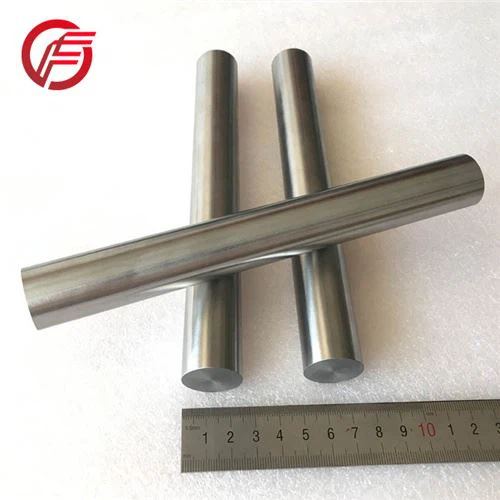
- Metallurgical Industry: TZM Molybdenum Alloy Bar with a smooth surface finish is used in high - temperature furnaces. The smooth surface helps to prevent the adhesion of molten metals and improves the durability of the components.
Our Offerings as a Moly TZM Supplier
As a leading moly TZM supplier, we offer a wide range of high - quality moly TZM products, including Molybdenum High Temperature Alloy Tzm Foil, TZM Molybdenum Alloy Bar, and High temperature resistance R03600 Molybdenum Fastener. We have extensive experience in processing and finishing moly TZM to meet the most demanding surface finish requirements. Our team of experts is dedicated to providing technical support and guidance to help you achieve the best results in your applications.

If you are interested in our moly TZM products or have any questions about achieving a smooth surface finish, please feel free to contact us for a detailed discussion and procurement negotiation. We look forward to working with you to meet your specific needs.
References
- Smith, J. (2018). "Advanced Machining Techniques for High - Performance Alloys". Journal of Manufacturing Science.
- Johnson, A. (2019). "Surface Finishing of Molybdenum Alloys: A Review". Materials Research Quarterly.
- Brown, C. (2020). "Quality Control in Molybdenum Component Manufacturing". International Journal of Precision Engineering.