
Tantalum is a unique and valuable metal that I deal with every day as a tantalum supplier. One of the most frequently asked questions I get from my customers is about how tantalum reacts with acids. In this blog, I'll share my knowledge and insights based on years of experience in the industry.
First off, let's talk about what makes tantalum so special. Tantalum is a transition metal known for its high melting point, excellent corrosion resistance, and good electrical conductivity. These properties make it extremely useful in many different industries, from electronics to chemical processing.


Now, onto the main topic: how tantalum reacts with acids. Generally speaking, tantalum is highly resistant to corrosion from most acids under normal conditions. This is due to the formation of a stable, passive oxide layer on its surface. When tantalum is exposed to air, it quickly forms a thin layer of tantalum pentoxide (Ta₂O₅), which acts as a protective barrier against further oxidation and corrosion.
Let's start with some common acids. Hydrochloric acid (HCl) is a strong acid commonly used in industrial applications. At room temperature, tantalum has remarkable resistance to hydrochloric acid at all concentrations. Even when in contact with concentrated hydrochloric acid, the passive oxide layer on the tantalum surface remains intact, preventing any significant chemical reaction. This makes tantalum an ideal material for equipment used in processes involving hydrochloric acid, such as pickling and cleaning operations.
Sulfuric acid (H₂SO₄) is another widely - used industrial acid. Tantalum shows great resistance to sulfuric acid at room temperature and lower concentrations. However, as the temperature and concentration of sulfuric acid increase, the situation gets a bit more complex. At high temperatures and high concentrations, sulfuric acid can start to react with the tantalum oxide layer, slowly corroding the metal. But even then, the corrosion rate is extremely low compared to many other metals.
Nitric acid (HNO₃) is a strong oxidizing acid. Tantalum is highly resistant to nitric acid at all concentrations and temperatures. The passive oxide layer on tantalum is stable in the presence of nitric acid, and no significant reaction occurs. This property allows tantalum to be used in equipment for storing and processing nitric acid, such as in the chemical and pharmaceutical industries.
Hydrofluoric acid (HF) is a unique case. Hydrofluoric acid is highly reactive and can dissolve many metals that are otherwise corrosion - resistant. Tantalum, however, has a better resistance to hydrofluoric acid than most metals. But it's not completely immune. When tantalum is in contact with hydrofluoric acid, it will gradually react. The fluoride ions in hydrofluoric acid can break down the tantalum oxide layer, and then react with the metal itself to form soluble tantalum fluoride compounds.
If you're working in an environment with a mixture of acids, things can get even more complicated. For example, a mixture of hydrochloric acid and nitric acid (aqua regia) is a very powerful oxidizing agent that can dissolve gold and platinum. But tantalum shows some resistance to aqua regia. It's not as reactive as many other metals, but long - term exposure can still lead to corrosion.
Now, let's talk about why all these reactions matter to you. If you're in the market for tantalum products, understanding how it reacts with acids is crucial. For instance, if you need components for an acid - handling process, you'll want to know which type of acid the component will be exposed to.
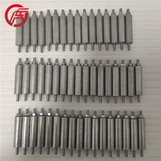
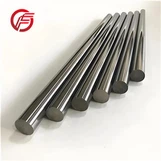
We offer a wide range of tantalum products that are suitable for different applications. For example, if you need a material for making small - diameter tubes that will be used in acid - related applications, our Tantalum Capillary Tube Micro Tube is a great choice. Its high corrosion resistance makes it able to withstand contact with various acids.
Our Tantalum Plate is another popular product. It can be used as linings for tanks or vessels that store acids. The plate's uniform structure and good corrosion - resistant properties ensure long - term performance.
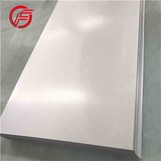
If you're looking for a high - quality sheet metal for acid - related operations, our ASTM B708 R05200 Tantalum Sheet Metal is an excellent option. It meets strict industry standards and has been proven to be reliable in different acid environments.
In conclusion, tantalum's reaction with acids is a complex topic, but its general high corrosion resistance makes it a top - choice material for many acid - handling applications. Whether you're in the chemical industry, electronics manufacturing, or any other field that requires acid - resistant materials, tantalum has a lot to offer.
If you're interested in our tantalum products or have more questions about how they perform in acid environments, I encourage you to reach out. We're here to help you find the right tantalum solution for your specific needs. Let's start a conversation and see how we can work together to make your projects a success.
References
- Handbook of Corrosion Data, Second Edition.
- International Journal of Corrosion and Scale Inhibition.