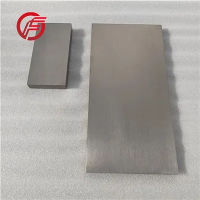

Can moly foil be used in the construction industry? Well, that's a question I get asked a lot as a moly foil supplier. And let me tell you, the answer is a resounding yes! Moly foil, made from molybdenum, an incredibly versatile metal, has a ton of properties that make it a great fit for construction.
First off, let's talk about what moly foil is. Molybdenum is a silver - gray metal with an extremely high melting point, around 2,623°C (4,753°F). When it's turned into foil, it becomes thin, flexible, and really strong. You can think of it as a high - performance version of the aluminum foil you might use in your kitchen, but way more durable and with some unique properties.
One of the most significant advantages of moly foil in construction is its high - temperature resistance. In modern construction, there are many scenarios where high temperatures are a concern. For example, in buildings with industrial kitchens or large - scale heating systems, normal materials can deform or deteriorate under high heat. But moly foil can handle these conditions like a champ. If you're interested in high - temperature resistant moly products, you might want to check out our High temperature resistance R03600 Molybdenum Fastener. These fasteners share the same high - temperature - resistant quality as moly foil, and they can work in harmony with the foil in high - temp construction areas.
Another aspect is its strength - to - weight ratio. Molybdenum is a strong metal, and when formed into a thin foil, it still retains a surprising amount of strength while being relatively lightweight. This is a huge plus in construction, as it allows for the creation of structures that are sturdy but not overly heavy. Builders can use moly foil to reinforce certain parts of a building without adding excessive weight, which is especially important in high - rise construction where every extra pound matters.
Corrosion resistance is also a key factor. Construction materials are often exposed to various environmental elements, such as moisture, chemicals, and pollution. Over time, these can cause corrosion, weakening the structure. Moly foil has excellent corrosion resistance, making it ideal for use in areas where the building is likely to come into contact with corrosive substances. For example, in coastal buildings, where the air is salty and humid, moly foil can be used to protect critical components from rust and decay.
Electrical conductivity is another one of moly foil's superpowers. In today's high - tech construction, buildings are filled with all sorts of electrical systems. Moly foil can be used in electrical wiring and grounding systems. Its good electrical conductivity ensures the efficient flow of electricity, reducing the risk of electrical malfunctions and improving the overall safety of the building.
Now, let's look at some specific applications in construction. One potential use is in roofing. Moly foil can be used as a protective layer on the roof. Its high - temperature resistance means it won't be damaged by the sun's intense heat, and its corrosion resistance will keep it in good condition even in harsh weather. You could also use it in combination with other roofing materials to enhance their performance.
In interior construction, moly foil can be used for decorative purposes as well as functionality. It can be used to line certain areas, like behind fireplaces, to add a touch of modern style while also providing an extra layer of heat protection. And when it comes to insulation, moly foil can be an effective material. It can reflect heat, helping to keep the building cool in summer and warm in winter.
When considering building frames, moly foil can be used as reinforcement. For instance, by wrapping it around wooden or metal beams, it can increase their strength and durability. This adds an extra layer of protection against wear and tear, and potential structural failures.
It's also worth mentioning that our Molybdenum Bar and Cold - Rolled 360 361 363 Molybdenum Sheet are related products that can be used in conjunction with moly foil. The bars can be used for structural support in larger construction projects, and the cold - rolled sheets can provide a wider surface area for covering and protection.


Of course, like any material, there are some considerations when using moly foil in construction. Cost is one factor. Molybdenum is a relatively rare metal, so the cost of moly foil may be higher compared to some traditional construction materials. However, when you consider its long - term benefits, such as reduced maintenance and longer lifespan, the investment can be well worth it.
Another thing is the installation process. Moly foil needs to be installed correctly to ensure its performance. Builders need to be trained on how to handle and install it properly. But with the right training and experience, this shouldn't be a major issue.
In conclusion, moly foil has a lot to offer in the construction industry. Its high - temperature resistance, strength - to - weight ratio, corrosion resistance, and electrical conductivity make it a valuable material for a wide range of applications. Whether it's for roofing, insulation, or reinforcement, moly foil can enhance the performance and longevity of buildings.
If you're in the construction business and are interested in using moly foil or any of our related molybdenum products for your next project, we'd love to hear from you. Contact us to discuss your specific requirements and let's work together to build better structures.
References
- Smith, J. (2020). Molybdenum in Engineering: Properties and Applications. Engineering Press.
- Brown, A. (2019). Advanced Construction Materials: A Comprehensive Guide. Construction Publications.