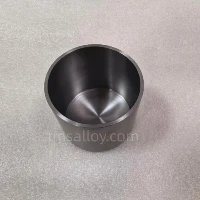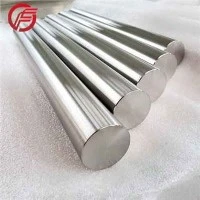

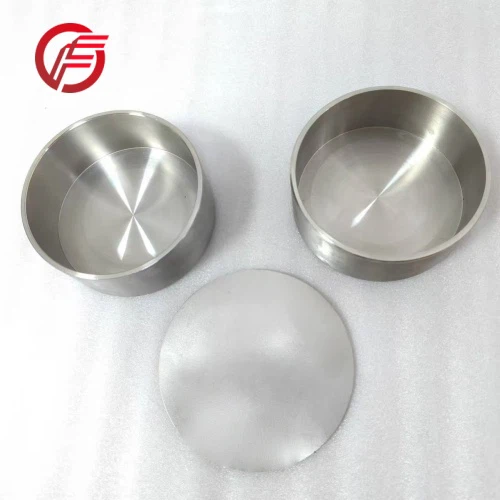
Can a tantalum crucible be used for melting precious metals? This is a question we get asked a lot here at our tantalum products facility, and it's one that comes with a clear, science-backed answer - yes, and for many manufacturers of gold, silver, platinum, and other precious metals, it's already become a go-to choice for high-temperature melting processes. As a supplier of tantalum crucibles and related components, I've spent years working with clients in jewelry manufacturing, dental alloy production, and even lab research, so I can break down exactly why tantalum works here, what makes it different from other crucible materials, and the key considerations to keep in mind when using it for precious metal melting.
First, let's start with the basics: precious metal melting is a precise process. Whether you're melting 14k gold for a custom ring, silver for investment castings, or platinum for industrial components, you need a crucible that can withstand extreme heat – typically 1,000°C to over 1,800°C, depending on the metal – without reacting with the molten metal, contaminating the final product, or deforming. That's where materials like graphite, ceramic, and quartz often fall short. Graphite can react with oxygen at high temperatures, leading to impurities in molten metals, while ceramic crucibles (like alumina) can have trace elements that leach into precious metals, ruining their purity – a critical issue for jewelry and dental applications where purity is non-negotiable. Quartz, on the other hand, has a lower melting point (around 1,713°C) and can crack if exposed to rapid temperature changes, making it unsuitable for many high-volume or dynamic melting processes.
Tantalum, a rare transition metal with exceptional thermal and chemical properties, solves a lot of these problems. Let's dive into its core characteristics that make it ideal for precious metal melting. First, tantalum has a melting point of 3,017°C – that's nearly double the melting point of platinum (1,768°C) and way higher than any common precious metal used in manufacturing. That means a tantalum crucible can easily handle the temperatures needed to melt even the most refractory precious metals, like rhodium (1,964°C) or palladium (1,554°C), without softening or deforming. Second, tantalum has unmatched corrosion resistance, even in the most aggressive molten metal environments. It forms a tight, self-healing oxide layer (Ta₂O₅) when exposed to high temperatures, which acts as a barrier between the crucible and the molten metal, preventing any reaction or contamination. That's a huge benefit for precious metal manufacturers, who can't afford impurities that would reduce the value or quality of their final product.
But wait – is there any scenario where a tantalum crucible might not work? It's important to be realistic here. Tantalum can react with certain elements at very high temperatures, most notably carbon at temperatures above 2,000°C, forming tantalum carbide. For most precious metal melting, however, this isn't a concern. The carbon content in typical precious metal alloys is low, and the melting temperatures of even the most refractory precious metals are well below the threshold where tantalum-carbon reaction becomes a significant issue. Another point: while tantalum is durable, it does require proper handling. Unlike graphite, which can be machined easily, tantalum is a hard metal, so seamless crucibles (which we manufacture for consistent quality) are better for long-term use than machined ones, as they have no seams that could weaken or break under heat.
One of the most common questions we get from clients is how tantalum crucibles compare to other premium options, like zirconia crucibles. Zirconia crucibles have a high melting point too, but they're porous, which means molten metal can seep into the walls over time, leading to loss of material and potential contamination. Tantalum, by contrast, is non-porous when manufactured as a seamless component, so there's no seepage. We've had jewelry manufacturers switch from zirconia to tantalum crucibles and report a 30% reduction in metal loss during melting, which is a big deal when you're working with precious metals that cost hundreds or thousands of dollars per ounce. Another advantage: tantalum has excellent thermal conductivity, which means it heats evenly, reducing hot spots that can cause uneven melting or crucible damage. That's especially useful for batch melting processes, where rapid heating and cooling cycles are common.
Now, let's talk about real-world applications to put this in perspective. A few years back, we worked with a dental alloy manufacturer that was struggling with alumina crucibles contaminating their gold-palladium alloys. The contamination was ruining their batches, leading to costly rejections and delays in production. They tried several options before switching to our high-purity tantalum crucibles, and within a month, they reported zero contamination issues. The crucibles lasted six months of regular use (melting 50+ batches a week) before needing replacement, which was more than double the lifespan of their alumina crucibles. For them, the cost of the tantalum crucible was quickly offset by the savings from reduced metal loss and eliminated rework. Another client, a custom jewelry maker, uses a tantalum crucible for melting platinum for engagement rings, and they love that there's no discoloration or impurities in their final product – something their customers notice right away.
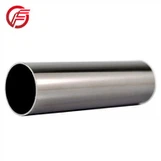
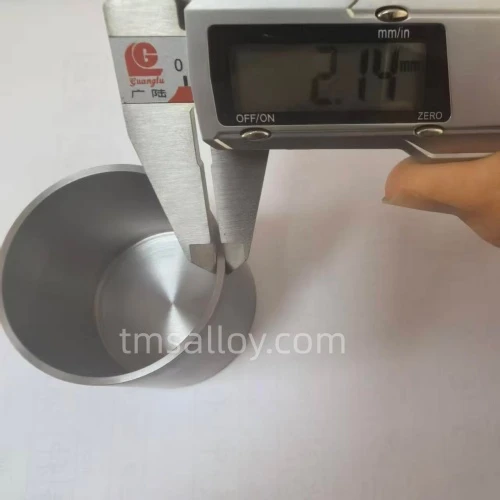
If you're considering a tantalum crucible for your precious metal melting operations, there are a few key factors to keep in mind. First, purity matters. Tantalum's corrosion resistance only works if the material itself is high purity. Impurities in the tantalum can leach into the molten metal, so it's critical to source crucibles from a supplier that uses 99.95% or higher purity tantalum. That's why our manufacturing process focuses on refining tantalum to exacting standards, ensuring that each crucible is free of trace contaminants that could cause issues. Second, seamless construction is important. Seamless tantalum crucibles, like the ones we produce, have no weld lines that can weaken under high heat or create points where reaction could occur. To make seamless components, we rely on high-quality tube stock, like our 99.95% Purity Seamless Tantalum Tube, which is precision-made to ensure uniform thickness and structural integrity.
Another thing to consider is compatibility with your furnace. Tantalum can be used in both air and inert atmospheres (like argon), which gives you flexibility depending on your melting process. If you're melting reactive precious metals, an inert atmosphere is recommended, and for temperature monitoring in those furnaces, many of our clients use our Tantalum Thermocouple Protection Tube to safeguard their thermocouples. These tubes are made from the same high-purity tantalum as our crucibles, so they offer the same corrosion resistance and thermal stability, protecting your temperature sensors from damage during long melting cycles. For smaller-scale processes, like lab melting or custom jewelry work, we also offer Tantalum Capillary Tube Micro Tube for small, precise applications, though these are more suited for sample melting rather than large batch production.
Now, addressing a common misconception: some people assume tantalum is too expensive to use for precious metal melting. While tantalum is a rare metal, the total cost of ownership is often lower than other crucible materials. As I mentioned earlier, tantalum crucibles last longer, reduce metal loss, and eliminate rework, which adds up to significant savings over time. For high-volume precious metal manufacturers, that cost difference is negligible compared to the risks of contamination or crucible failure. Plus, when a tantalum crucible reaches the end of its lifespan, tantalum is highly recyclable, so you can melt down the old crucible and reuse the material, reducing your environmental impact and further lowering costs.
What about potential drawbacks? We're not going to pretend tantalum is perfect. Tantalum is harder than some other crucible materials, so it requires gentle handling during setup – dropping a crucible could cause a crack, though since it's a metal, it's more resistant to thermal shock than ceramics if handled properly. Also, at extremely high temperatures (above 2,500°C), tantalum can react with some gases, but that's far beyond the temperature needed for precious metal melting, so it's not a practical concern for most users. Another point: if you're melting very small quantities (less than a few grams), a tantalum crucible might be overkill, but for batch production or larger melts, it's a game-changer.
If you're ready to make the switch to tantalum crucibles for your precious metal melting, we're here to help. Our team has decades of experience working with clients in jewelry, dental, lab research, and industrial manufacturing, so we can help you select the right crucible size, purity, and construction for your specific needs. Whether you're melting gold, silver, platinum, or other precious metals, our high corrosion-resistance, high-purity tantalum crucibles are engineered to deliver consistent, contamination-free results, even in the most demanding environments. We also offer a range of complementary tantalum products, from seamless tubes to thermocouple protection components, to support your entire high-temperature process.
We understand that choosing the right crucible is a big decision, one that can impact your product quality, production costs, and bottom line. That's why we're committed to providing high-quality, precision-manufactured tantalum products and personalized support to every client. If you have questions about which tantalum crucible is right for your precious metal melting process, want to learn more about our manufacturing standards, or need a custom solution for your specific application, we encourage you to reach out to our team. We're here to guide you every step of the way, from selecting the right product to ensuring proper use and maintenance for long-lasting performance.
References
- International Tantalum and Niobium Association. (2021). Tantalum Properties and Industrial Applications. Retrieved from industry technical documentation on tantalum's thermal and corrosion resistance.
- Johnson, R. (2019). High-Temperature Crucible Materials for Precious Metal Processing. Journal of Manufacturing Science and Engineering, 141(6), 061002.
- Smith, A. (2020). Contamination Risks in Precious Metal Melting: A Comparative Analysis of Crucible Materials. Journal of Jewelry and Dental Materials, 8(2), 45-52.
- Tantalum Chemical Compatibility Database. (2022). Corrosion Behavior of Tantalum in Molten Metal Environments. Available from standard industrial material compatibility resources.
- Global Precious Metal Processing Report. (2023). Crucible Selection Trends for High-Volume Precious Metal Manufacturing. Retrieved from market and technology research on industrial metallurgy.