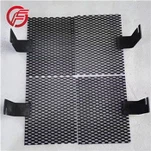


Tantalum sheet offers several advantages compared to other materials, which contribute to its widespread use in various industries. Here are some key advantages:
Corrosion Resistance: Tantalum plate exhibits exceptional corrosion resistance, making it highly suitable for applications in aggressive environments. It is resistant to most acids, including hydrochloric, sulfuric, and nitric acids, as well as alkaline solutions, which makes it ideal for chemical processing equipment.
High Melting Point: Tantalum has one of the highest melting points among metals, standing at approximately 3,017 degrees Celsius (5,463 degrees Fahrenheit). This high melting point allows the tantalum sheet metal to withstand extreme temperatures and retain its structural integrity, making it suitable for high-temperature applications such as furnace components.
Excellent Ductility: Tantalum plates possess excellent ductility, enabling them to be formed into various shapes and sizes through processes like rolling, stamping, or bending. This flexibility makes it easier to manufacture complex components and customize them according to specific design requirements.

Low Thermal Expansion: Tantalum has a low thermal expansion coefficient, which means it experiences minimal dimensional changes with temperature fluctuations. This stability makes Tantalum sheet desirable for applications where dimensional accuracy and stability are critical, such as in electronic components.
Electrical Conductivity: Tantalum possesses good electrical conductivity, making it suitable for applications that require efficient electrical conduction. It is commonly used in electronics, capacitors, and other electrical devices where low resistance and high reliability are essential.
Longevity and Durability: Tantalum has exceptional longevity and durability, with a strong resistance to fatigue, creep, and deformation. Its ability to withstand harsh conditions and resist mechanical stresses ensures a longer lifespan compared to many other materials.
Chemical Inertness: Tantalum sheet is chemically inert, meaning it does not easily react with most substances. This inertness makes it suitable for applications involving highly reactive or corrosive chemicals, where maintaining purity and preventing contamination are crucial.
Radiation Shielding: Tantalum has excellent radiation absorption properties, making it effective for radiation shielding. It is commonly used in nuclear facilities, medical imaging equipment, and other applications that require protection from ionizing radiation.
Low Neutron Cross-Section: Tantalum has a low neutron cross-section, making it suitable for applications in nuclear reactors. Its use in reactor components helps reduce the absorption and scattering of neutrons, contributing to the safety and efficiency of nuclear energy generation.
High Density: Tantalum has a relatively high density, which provides advantages in certain applications. Its density allows for compact designs where weight and space considerations are important, such as in aerospace and defense industries.
Refractory Properties: Tantalum is classified as a refractory metal due to its high melting point and resistance to heat and wear. Refractory metals are used in high-temperature applications, including furnaces, heating elements, and components exposed to extreme thermal conditions.
Environmentally Friendly: Tantalum is considered environmentally friendly due to its recyclability. It can be recycled and reused, reducing the demand for new raw materials and minimizing waste.

Availability: Tantalum is a relatively rare element, but it is commercially available. Its supply primarily comes from a few countries, including Australia, Brazil, and Canada. Efforts are made to ensure responsible sourcing of tantalum to prevent exploitation and promote ethical practices.
Surface Treatments: Tantalum flat sheets can undergo various surface treatments to enhance their properties or meet specific requirements. These treatments include etching, passivation, or applying coatings to improve corrosion resistance, increase adhesion, or modify surface characteristics.
It's important to note that while the tantalum sheet offers numerous advantages, its cost can be higher compared to other materials due to the challenges associated with its extraction and refining processes. Careful consideration of these factors is necessary when selecting a tantalum plate for specific applications.
Overall, the unique combination of corrosion resistance, high melting point, ductility, biocompatibility, low thermal expansion, electrical conductivity, and longevity makes tantalum sheets an advantageous choice for a wide range of applications in industries such as aerospace, chemical processing, electronics, medical, and more.