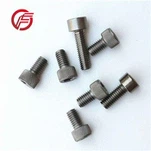


Tantalum is a silvery-gray, high-density, high-melting-point, and highly ductile metal, renowned for its exceptional corrosion resistance and high dielectric constant.
Tantalum's most important application is in the manufacture of tantalum capacitors, especially in fields demanding miniaturization and high reliability.

1. High Dielectric Constant: Tantalum oxide (Ta₂O₅) has a very high dielectric constant, meaning that a tantalum capacitor can store more charge in the same volume.
Miniaturization and Stability: Tantalum capacitors are small, lightweight, operate over a wide temperature range, and are highly reliable, making them widely used in mobile phones, laptops, automotive electronics, medical implants (such as pacemakers), and military and aerospace equipment. It is key to the miniaturization and high performance of modern portable electronics.
2. Biocompatible Material: The "Safety Guardian" of Medical Devices
Tantalum metal has excellent biocompatibility, meaning it does not cause adverse reactions when in contact with human tissues and fluids.
Medical Implants: Tantalum is used in the manufacture of orthopedic implants (such as artificial joints and bone plates), surgical instruments, dental materials, and radiation shields. Its non-toxicity, non-magnetic nature, and excellent bone-bonding properties make it an ideal biomedical metal.

3. Superior Corrosion Resistance: The "Immortal Defense Line" for Chemical Equipment
Tantalum's corrosion resistance is comparable to glass, exhibiting excellent stability even in many strong acids (such as aqua regia, sulfuric acid, and hydrochloric acid). Only hydrofluoric acid and strong alkalis cause significant corrosion.
Chemical Equipment: Tantalum is used in the manufacture of chemical reactors, heat exchangers, valves, and pipes. Particularly in chemical production involving corrosive media (such as chlorine and bromine), it significantly extends equipment life and ensures production safety.
Laboratory Glassware: In certain extremely corrosive experiments, tantalum glassware is an irreplaceable choice.
4. High-Temperature Alloys and Hard Alloys: "Tough Guardians" for Extreme Working Conditions
Similar to niobium, tantalum can also be used in nickel-based high-temperature alloys to further improve the alloy's strength and creep resistance. In addition, tantalum carbide (TaC) is an important hard alloy additive that can significantly improve the hardness and wear resistance of cutting tools and molds.

Besides tantalum rods, tantalum grounding rings, and tantalum protective tubes, we can also produce tantalum sheets, tantalum foils, tantalum plates, tantalum tubes, tantalum wires, etc. For more tantalum pricing information, please contact our sales engineers.
Contact information:
Tel: +86-0917- 3664600
Whatsapp: +8618791798690