

When choosing a small molecule water electrode, several factors need to be considered to ensure its effectiveness in the intended application. Here are some key considerations:
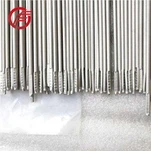
- Electrode Material: Select a suitable material that can efficiently catalyze the desired water oxidation or reduction reaction. Common electrode materials for water electrolysis include precious metals like platinum (Pt), iridium (Ir), and ruthenium (Ru), as well as transition metal oxides and sulfides. 2 microns iridium coated titanium mesh and platinum titanium mesh do for customers as below.

2. Catalytic Activity: The electrode material should possess high catalytic activity towards the target water reaction. This activity can be enhanced by using specific doping strategies, nanostructuring techniques, or employing catalyst supports. Consider the thermodynamic efficiency and kinetics of the reaction.
3. Stability and Durability: Ensure that the electrode material exhibits good stability and durability under the operating conditions. Water electrolysis involves harsh electrochemical environments, so the electrode material should resist degradation, corrosion, and surface passivation to maintain long-term performance.
4. Cost Considerations: Evaluate the cost-effectiveness of the electrode material. Precious metals like Pt and Ir are highly efficient but expensive. Consider alternative materials or catalyst formulations that balance performance and cost, depending on the specific application requirements.
5. Electrode Configuration: Determine the appropriate electrode configuration based on the application. Common configurations include planar electrodes, mesh electrodes, or three-dimensional structures like nanowires or nanotubes. The choice depends on factors such as current density requirements, mass transport limitations, and ease of manufacturing.

6. Manufacturing Scalability: Consider the feasibility of manufacturing the electrode at the required scale and quantity. Certain materials or fabrication techniques may be more suitable for small-scale applications, while others may be better suited for large-scale production.
7. Application-Specific Requirements: Understand the specific needs of your application. Different water electrode materials may be better suited for oxygen evolution reactions (anodic) or hydrogen evolution reactions (cathodic). Consider factors such as energy efficiency, reaction selectivity, and any unique process conditions.
It is recommended to consult with our engineer to determine the most suitable small molecule water electrode for your specific application. They can provide professional advice for you in buying titanium electrodes, and assist in selecting the optimal electrode material and configuration.