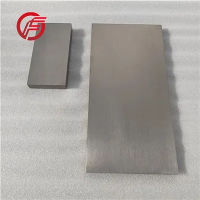

The maximum bending angle of a moly rod is a crucial parameter that many industries, such as electronics, aerospace, and manufacturing, are interested in. As a long - standing moly rod supplier, I've dealt with numerous inquiries on this matter. In this blog post, I'll delve into the factors affecting the maximum bending angle and try to provide a comprehensive answer.
Material Properties of Molybdenum Rods
Molybdenum is a refractory metal with excellent high - temperature strength, corrosion resistance, and electrical conductivity. These properties make moly rods highly sought - after in various demanding applications. However, they also have a significant impact on the rod's bending behavior.
The purity of the molybdenum rod is one of the key factors. High - purity molybdenum, like 360 361 363 High Purity 99.95% Molybdenum Nuts, generally has fewer impurities and a more uniform crystal structure. This results in better ductility, which means the rod can be bent to a larger angle without cracking. On the other hand, rods with lower purity may contain more impurities and defects, reducing their ability to withstand bending stress and thus limiting the maximum bending angle.
The grain size of the molybdenum also plays a role. A fine - grained molybdenum rod typically has better formability and can tolerate larger bending angles compared to a coarse - grained one. During the manufacturing process, the heat treatment and deformation processes can be adjusted to control the grain size, thereby influencing the rod's bending performance.
Rod Dimensions
The diameter and length of the moly rod are important factors in determining the maximum bending angle. Generally, a thinner rod can be bent to a larger angle than a thicker one. This is because the stress distribution across the cross - section of a thinner rod is more uniform when bending, and there is less internal resistance to the deformation.
For example, a moly rod with a small diameter of a few millimeters can often be bent into tighter curves compared to a rod with a diameter of several centimeters. As for the length, longer rods may be more flexible in some cases, but they also require more precise control during the bending process to avoid kinking or uneven bending.
Bending Conditions
The method of bending and the temperature during the bending process are vital for achieving the maximum bending angle. There are different bending techniques, such as cold bending and hot bending.
Cold bending is carried out at room temperature. While it is a simple and cost - effective method, the maximum bending angle is limited by the rod's inherent ductility at room temperature. Molybdenum is a relatively brittle material at low temperatures, so cold - bending a moly rod to a large angle may lead to cracks or fractures.
Hot bending, on the other hand, involves heating the rod to a specific temperature range. Molybdenum becomes more ductile at elevated temperatures. By heating the rod to an appropriate temperature, we can increase the maximum bending angle significantly. For instance, when bending High temperature resistance R03600 Molybdenum Fastener, hot - bending is often used to achieve the desired shape without compromising the material's integrity. The exact temperature for hot bending depends on the specific application and the properties of the moly rod, but it usually ranges from several hundred to over a thousand degrees Celsius.
Applications and Implications of Bending Angle
The maximum bending angle of a moly rod has direct implications for its applications. In the electronics industry, moly rods are often used as electrode components. These components may need to be bent into specific shapes to fit the design requirements of electronic devices. A larger maximum bending angle allows for more complex and intricate designs, which can enhance the performance and functionality of the devices.
In the aerospace industry, moly rods are used in components that need to withstand high - temperature and high - stress environments. The ability to bend the rods to a certain angle is important for manufacturing parts with specific geometries. For example, in the construction of jet engine components, moly rods may be bent to form support structures or heat - resistant frames.
How Our Company Helps
As a reliable moly rod supplier, we understand the importance of the maximum bending angle for our customers. We offer a wide range of moly rods with different purities, dimensions, and grain structures to meet various bending requirements. Our technical team can provide expert advice on the best bending methods and parameters based on the specific application and rod properties.
We also have advanced manufacturing and testing facilities. We can precisely control the production process to ensure the quality and consistency of our moly rods. Before delivery, we conduct strict quality inspections, including testing the bending performance of the rods, to ensure that they meet or exceed the industry standards.


If you are in the market for high - quality moly rods, whether for simple or complex bending applications, we are here to assist you. Our products, such as Molybdenum Wire, are known for their excellent performance and reliability. We are committed to providing the best products and services to our customers.
Conclusion
In conclusion, the maximum bending angle of a moly rod is influenced by multiple factors, including material properties, rod dimensions, and bending conditions. By understanding these factors, we can optimize the bending process to achieve the desired results. As a moly rod supplier, we are dedicated to helping our customers make the most of moly rods in their applications. If you have any questions about the maximum bending angle of moly rods or are interested in purchasing our products, please feel free to contact us for further discussions and procurement negotiations.
References
- Smith, J. (2018). "Properties and Applications of Refractory Metals". Metal Science Journal.
- Brown, A. (2019). "Bending Behavior of Molybdenum Alloys". Journal of Materials Engineering.
- Chen, L. (2020). "High - Temperature Forming of Molybdenum Components". Advanced Manufacturing Review.