
As a supplier of tantalum crucibles, I often encounter inquiries from customers about the chemical resistance of these essential laboratory and industrial vessels. Tantalum crucibles are highly regarded in various fields due to their exceptional properties, with chemical resistance being one of the most prominent features. In this blog, I will delve into the chemical resistance of tantalum crucibles, exploring the reasons behind their outstanding performance and their applications in different chemical environments.
Understanding Tantalum and Its Properties
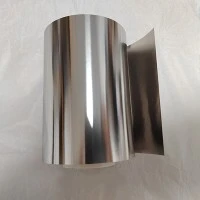
Tantalum is a rare, hard, blue-gray, lustrous transition metal that is highly corrosion-resistant. It has an atomic number of 73 and is part of the refractory metals group. Tantalum's resistance to corrosion is attributed to the formation of a stable, passive oxide layer on its surface when exposed to air. This oxide layer, primarily tantalum pentoxide (Ta₂O₅), acts as a protective barrier, preventing further oxidation and corrosion of the underlying metal.
The high melting point of tantalum, which is around 3017°C (5463°F), makes it suitable for high-temperature applications. Additionally, tantalum has excellent mechanical properties, including high strength and ductility, which allow it to maintain its shape and integrity under extreme conditions.
Chemical Resistance of Tantalum Crucibles
Tantalum crucibles exhibit remarkable chemical resistance in a wide range of chemical environments. Here are some of the key aspects of their chemical resistance:
Resistance to Acids
Tantalum is highly resistant to most mineral acids, including sulfuric acid, hydrochloric acid, and nitric acid, even at high concentrations and elevated temperatures. For example, tantalum crucibles can withstand concentrated sulfuric acid at temperatures up to 250°C without significant corrosion. This resistance is due to the stability of the tantalum oxide layer, which prevents the acid from reacting with the underlying metal.
However, it's important to note that tantalum is not resistant to hydrofluoric acid (HF) and hot concentrated sulfuric acid above 250°C. Hydrofluoric acid can dissolve the tantalum oxide layer, exposing the metal to further corrosion. Therefore, tantalum crucibles should not be used in applications involving hydrofluoric acid.
Resistance to Bases
Tantalum crucibles also show good resistance to many bases, such as sodium hydroxide and potassium hydroxide. The passive oxide layer on the surface of tantalum protects alkaline solutions, allowing the crucibles to be used in basic environments without significant corrosion.
Resistance to Oxidizing Agents
Tantalum is resistant to many oxidizing agents, including hydrogen peroxide and chromic acid. The stable oxide layer on the surface of tantalum prevents the oxidizing agents from reacting with the metal, ensuring the long-term stability of the crucibles in oxidizing environments.
Resistance to Molten Salts
Tantalum crucibles are often used in applications involving molten salts, such as in the production of high-purity metals and alloys. Tantalum has excellent resistance to molten salts, including alkali metal chlorides and fluorides, at high temperatures. This resistance makes tantalum crucibles ideal for use in processes such as electrorefining and metal extraction.
Applications of Tantalum Crucibles Based on Chemical Resistance
The exceptional chemical resistance of tantalum crucibles makes them suitable for a wide range of applications in various industries. Here are some of the common applications:
Chemical Analysis
In chemical analysis, tantalum crucibles are used for the fusion of samples with fluxes. The high chemical resistance of tantalum ensures that the crucible does not react with the sample or the flux, providing accurate and reliable results. For example, in the analysis of geological samples, tantalum crucibles are used to fuse the samples with sodium carbonate or other fluxes at high temperatures.
High-Temperature Reactions
Tantalum crucibles are widely used in high-temperature reactions, such as the synthesis of ceramics, metals, and alloys. The high melting point and chemical resistance of tantalum allow it to withstand the extreme conditions of these reactions without degradation. For instance, in the production of superalloys, tantalum crucibles are used to melt and alloy the various metals at high temperatures.
Electrochemical Processes
In electrochemical processes, such as electroplating and electrolysis, tantalum crucibles are used as electrodes or containers. The chemical resistance of tantalum ensures that the crucible does not react with the electrolyte, providing a stable and reliable environment for the electrochemical reactions.
Semiconductor Industry
In the semiconductor industry, tantalum crucibles are used for the growth of single crystals, such as silicon carbide and gallium nitride. The high chemical resistance of tantalum ensures that the crucible does not contaminate the growing crystal, resulting in high-quality semiconductor materials.
Our Tantalum Crucible Products
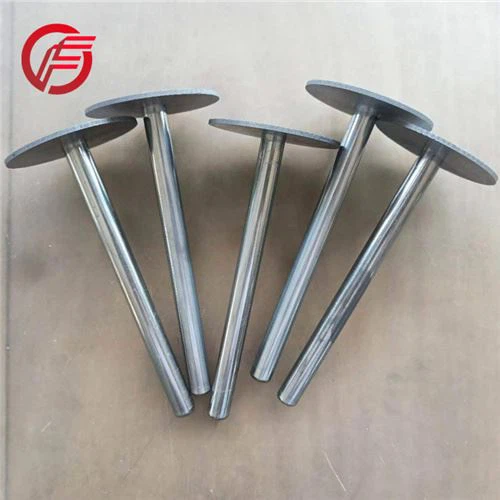
As a supplier of tantalum crucibles, we offer a wide range of products with high corrosion resistance and high purity. Our High Corrosion Resistance High Purity Tantalum Crucibles are made from high-quality tantalum materials, ensuring excellent chemical resistance and long service life. We also provide 99.95% Purity Seamless Tantalum Tube and Tantalum Thermocouple Protection Tube for various applications.
Our tantalum crucibles are available in different sizes and shapes to meet the specific needs of our customers. We can also customize the crucibles according to the customer's requirements, ensuring that they are suitable for the intended application.

Conclusion
The chemical resistance of tantalum crucibles is one of their most important properties, making them ideal for use in a wide range of chemical and high-temperature applications. The stable oxide layer on the surface of tantalum provides excellent protection against corrosion, allowing the crucibles to maintain their integrity and performance in harsh environments.
If you are looking for high-quality tantalum crucibles with excellent chemical resistance, please feel free to contact us. We are committed to providing our customers with the best products and services, and we look forward to discussing your specific requirements and helping you find the right solution for your application.
References
- "Tantalum: Properties, Applications, and Production." ASM Handbook, Volume 2: Properties and Selection: Nonferrous Alloys and Special-Purpose Materials, ASM International, 2001.
- "Corrosion Resistance of Tantalum and Tantalum Alloys." Corrosion Resistance Tables, Fourth Edition, ASM International, 2003.
- "Tantalum in Chemical Processing." Tantalum and Niobium, edited by R. A. Rapp, John Wiley & Sons, 1989.