
Hey there! As a supplier of TZM alloy, I've been getting a lot of questions about its tribological properties. So, I thought I'd take a moment to break it down for you all.
First off, let's talk about what tribology is. In simple terms, tribology is the science of friction, wear, and lubrication. When we're looking at the tribological properties of TZM alloy, we're interested in how it behaves when it's in contact with other surfaces, how much it wears down over time, and how well it can handle friction.
TZM alloy, which stands for Titanium - Zirconium - Molybdenum alloy, is a high - performance material known for its excellent mechanical and physical properties. It's widely used in aerospace, automotive, and electronics industries, where components need to withstand high temperatures and harsh operating conditions.
One of the key tribological properties of TZM alloy is its low coefficient of friction. The coefficient of friction measures how easily one surface slides over another. A low coefficient of friction means that there's less resistance when the TZM alloy is in contact with another material. This is a huge advantage in applications where energy efficiency is crucial. For example, in engine components, a lower coefficient of friction can reduce the amount of power needed to overcome friction, leading to better fuel efficiency.


Another important aspect is its wear resistance. Wear is the gradual removal of material from a surface due to mechanical action, like rubbing or scraping. TZM alloy has outstanding wear resistance, especially at high temperatures. This is because of its strong and stable crystal structure, which can withstand the forces that cause wear. In high - temperature environments, many materials start to soften and wear more quickly. But TZM alloy maintains its hardness and integrity, making it ideal for use in parts like cutting tools and bearings that are subject to high - stress and high - temperature conditions.
The ability to form a self - lubricating oxide layer is also a remarkable tribological property of TZM alloy. When exposed to high temperatures and oxygen, a thin oxide layer forms on the surface of the alloy. This layer acts as a lubricant, reducing friction and further protecting the underlying material from wear. It's like having a built - in protective shield that helps the alloy perform well in tough situations.
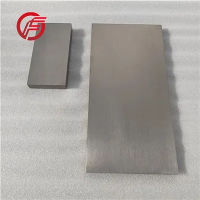
Now, let's take a look at some of the products we offer as a TZM alloy supplier. We have a wide range of TZM alloy products, including Cold - Rolled 360 361 363 Molybdenum Sheet. This sheet is cold - rolled to achieve a smooth surface finish and precise dimensions. It's great for applications where flatness and surface quality are important, such as in electronic components.
Our 360 361 363 Moly Rod Pure Molybdenum Rod is another popular product. These rods have excellent mechanical properties and are often used in high - temperature structural applications. They can withstand high loads and stress, making them suitable for use in aerospace and automotive engines.
And if you're looking for something thinner, we also offer Molybdenum High Temperature Alloy Tzm Foil. The foil is very thin but still retains the great tribological properties of TZM alloy. It's commonly used in applications where a lightweight and heat - resistant material is needed, like in some types of sensors.
When considering the tribological properties of TZM alloy in real - world applications, we need to think about the operating environment. For instance, in a dry environment with no lubrication, the self - lubricating oxide layer on the TZM alloy becomes even more important. It helps to keep the friction and wear at acceptable levels. But in a lubricated system, the TZM alloy still has an edge. Its low coefficient of friction and high wear resistance can enhance the performance of the lubricant and reduce the overall wear of the components.
The surface finish of the TZM alloy also plays a role in its tribological behavior. A smoother surface finish generally leads to lower friction and less wear. That's why our manufacturing processes are designed to achieve high - quality surface finishes on our TZM alloy products. Whether it's the cold - rolling process for the sheets or the precision machining of the rods, we pay close attention to the surface quality.
In addition to the basic tribological properties, the chemical composition of TZM alloy can also be adjusted to meet specific application requirements. By changing the amounts of titanium, zirconium, and other elements, we can fine - tune the alloy's hardness, toughness, and wear resistance. This flexibility allows us to provide customized solutions for different industries and applications.
If you're in the market for TZM alloy products, you'll want to consider these tribological properties carefully. They can have a big impact on the performance and lifespan of your components. Whether you're looking to improve the efficiency of your engines, increase the durability of your cutting tools, or enhance the performance of your electronic devices, TZM alloy could be the answer.
So, if you're interested in learning more about our TZM alloy products or have any questions about their tribological properties, don't hesitate to reach out. We're here to help you find the right solutions for your needs. Whether it's for a small - scale project or a large - scale industrial application, we can work with you to ensure you get the best TZM alloy products. Contact us to start a discussion about your requirements and let's see how we can make your projects a success.
References
- "Tribology Handbook", Bhushan, B. (Ed.), CRC Press
- "High - Temperature Alloys for Gas Turbines and Other Applications", Sims, C. T., Stoloff, N. S., & Hagel, W. C. (Eds.), Wiley - Interscience