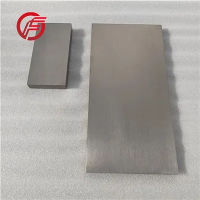

Hey there! As a niobium plate supplier, I'm super stoked to share with you all the quality control measures we take during niobium plate production. Niobium is an amazing metal with some pretty cool properties, and making sure our plates meet the highest standards is our top priority.
First off, let's talk about the raw materials. We source our niobium from trusted suppliers. We do a thorough inspection of the incoming niobium to make sure it meets the required chemical composition. We check for things like purity levels. Niobium should have a high level of purity, and any impurities can affect the quality of the final plate. We use advanced analytical techniques like spectroscopy to determine the exact chemical makeup of the raw niobium. This helps us ensure that we're starting with the best possible material.
Once we've got the raw niobium, the next step is melting. We use high - tech melting furnaces to turn the niobium into a molten state. During this process, we closely monitor the temperature. The melting temperature of niobium is around 2468°C, and even a small deviation can cause problems. We use precision thermometers and automated control systems to keep the temperature stable. This ensures that the niobium melts evenly and that any impurities are removed as much as possible.
After melting, we move on to casting. We pour the molten niobium into molds to form ingots. The mold design is crucial here. We use molds that are designed to promote uniform solidification of the niobium. This helps prevent defects like porosity and shrinkage. We also control the cooling rate of the ingots. A too - fast cooling rate can lead to internal stresses in the ingot, which can cause cracking later on. So, we carefully manage the cooling process to make sure the ingots come out in the best possible condition.
Once the ingots are formed, it's time for the rolling process. We roll the ingots into plates of the desired thickness. During rolling, we pay close attention to the rolling parameters. The speed, pressure, and reduction ratio are all carefully controlled. If the rolling speed is too high, it can cause surface defects on the plate. And if the pressure is not evenly distributed, the plate may not have a uniform thickness. We use advanced rolling mills with precise control systems to ensure that the rolling process goes smoothly.
Surface quality is also a big deal. We perform a detailed surface inspection of the niobium plates. We look for any scratches, pits, or other surface imperfections. We use visual inspection methods as well as non - destructive testing techniques like ultrasonic testing. Ultrasonic testing can detect internal defects that are not visible to the naked eye. If we find any defects, we take appropriate measures to correct them. Sometimes, we may need to rework the plate to remove the defects.
Dimensional accuracy is another important aspect of quality control. We measure the thickness, width, and length of the niobium plates using precise measuring tools. The tolerances for these dimensions are very strict. For example, the thickness of the plate may need to be within a few hundredths of a millimeter of the specified value. We use calipers, micrometers, and other measuring devices to ensure that the plates meet the required dimensional specifications.
In addition to these in-house quality control measures, we also follow international standards. One of the well - known standards for niobium plates is ASTM B393 UNS R04200 R04210. You can find more information about these standards and our products that meet them at ASTM B393 UNS R04200 R04210 Pure Niobium Sheet. These standards provide a framework for ensuring the quality and performance of niobium plates.
We also conduct mechanical testing on the niobium plates. We test the strength, ductility, and hardness of the plates. Tensile testing is used to measure the strength of the plate under tension. We use a tensile testing machine to apply a gradually increasing load to the plate until it breaks. This helps us determine the ultimate tensile strength and yield strength of the plate. Hardness testing is done using a hardness tester. We measure the hardness of the plate at different points to ensure that it is consistent throughout.
Another important quality control measure is the heat treatment process. Heat treatment can improve the mechanical properties of the niobium plates. We carefully control the temperature and time during heat treatment. Different heat treatment processes can be used depending on the desired properties of the plate. For example, annealing can be used to relieve internal stresses and improve the ductility of the plate.
We also have a strict quality management system in place. Our quality control team is responsible for overseeing every step of the production process. They document all the quality control data, including the results of inspections, tests, and measurements. This documentation helps us track the quality of each batch of niobium plates and ensures that we can trace any issues back to their source.

So, if you're in the market for high - quality niobium plates, you can count on us. We've got all these quality control measures in place to make sure you get the best product possible. Whether you need niobium plates for aerospace, electronics, or any other application, we can provide you with plates that meet your requirements.
If you're interested in purchasing niobium plates from us, don't hesitate to reach out. We're always happy to have a chat about your needs and how we can meet them. Just drop us a line, and we'll be in touch to discuss the details.
References:
- ASTM International standards for niobium products
- Technical literature on niobium metallurgy and processing