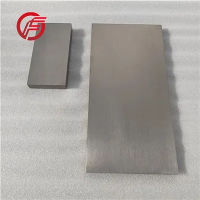

When it comes to the world of titanium products, the significance of proper packaging cannot be overstated. As a trusted titanium supplier, I understand that the journey of our high - quality titanium items from our facilities to your hands is a crucial one. In this blog, I'll delve into the various packaging methods employed for different titanium products to ensure their safety, integrity, and functionality upon arrival.
Packaging for Titanium Bars
Titanium bars, such as the UNS R50700 Grade4 Titanium Bar, are commonly used in a wide range of industries including aerospace, automotive, and construction. Due to their relatively large size and weight, special attention must be paid to their packaging.
For smaller titanium bars, individual plastic sheathing is often the first step. This plastic layer serves as a basic barrier against moisture, dust, and minor scratches. After the plastic sheathing, the bars are typically grouped together and placed in wooden crates. Wooden crates offer excellent protection against impacts during transportation. They are sturdy and can withstand the rigors of handling, whether it's being lifted by forklifts or stacked in shipping containers.
Inside the wooden crate, we use shock - absorbing materials like foam or rubber pads to cushion the bars. These materials prevent the bars from banging against each other or the crate walls, which could lead to dents or other forms of damage. The bars are also secured with straps to keep them in place during transit.
For larger titanium bars, additional reinforcement may be required. We might use metal frames within the wooden crate to provide extra support. This is especially important when the bars are being shipped over long distances or when they are going to be exposed to rough handling conditions.
Packaging for Titanium Anodes
Titanium anodes, like the Sewage Treatment Titanium Anode, are critical components in many electrochemical processes. Their performance can be affected by even minor damage during transportation.
Anodes are usually first placed in anti - static plastic bags. This is because static electricity can cause damage to the surface of the anode, which may impact its electrochemical properties. The anti - static bags neutralize any static charges and protect the anode from dust and other contaminants.
After being placed in the anti - static bags, the anodes are then put into custom - made plastic or fiberglass cases. These cases are designed to fit the shape of the anode precisely, providing a snug fit that minimizes movement during transit. The cases are also sealed to prevent the entry of moisture, which could corrode the anode.


In addition to the internal protection, the cases are often packed in cardboard boxes. Cardboard boxes are lightweight and easy to handle, and they can be labeled with important information such as the product name, specifications, and handling instructions. For international shipments, the cardboard boxes are further reinforced with corner protectors and wrapped in stretch film to ensure their integrity during the journey.
Packaging for Titanium Wire Mesh
Titanium wire mesh, such as the Gas Liquid Separator Annulus Titanium Wire Mesh Demister, is a delicate product that requires careful packaging.
The wire mesh is first rolled up or folded neatly, depending on its size and shape. To prevent the mesh from unraveling or getting tangled, it is secured with plastic bands or straps. Then, it is placed in a plastic tube or a cylindrical container. Plastic tubes offer good protection against bending and crushing, which are common issues for wire mesh during transportation.
Inside the plastic tube, we use soft padding materials like cotton or felt to protect the surface of the wire mesh. This padding also helps to absorb any shocks that the tube may experience during handling. The plastic tube is then sealed at both ends to prevent dust and moisture from entering.
For larger wire mesh sheets, we may use wooden pallets for packaging. The mesh is laid flat on the pallet and covered with a plastic sheet. The plastic sheet acts as a barrier against moisture and dust, and it is then secured with straps to keep the mesh in place. The pallet is then shrink - wrapped to provide an additional layer of protection.
Factors Influencing Packaging Choices
There are several factors that influence our choice of packaging methods for titanium products.
Product Characteristics: The size, shape, weight, and fragility of the titanium product are the primary factors. As we've seen, larger and heavier items like titanium bars require more robust packaging, while delicate items like wire mesh need more gentle and protective packaging.
Transportation Mode: Whether the product is being shipped by land, sea, or air also matters. Air shipments often have strict weight and size restrictions, so lightweight and compact packaging is preferred. Sea shipments, on the other hand, may expose the products to long - term moisture and saltwater, requiring more moisture - resistant packaging.
Destination: The destination of the product can also affect the packaging. If the product is going to a region with a humid climate, extra moisture - proofing measures will be taken. Similarly, if the destination has a high risk of rough handling during delivery, more shock - absorbing materials will be used.
Importance of Proper Packaging
Proper packaging is not just about protecting the titanium products during transportation. It also has a significant impact on customer satisfaction. When customers receive a product in perfect condition, it reflects positively on our brand. It shows that we care about the quality of our products from the moment they leave our facility until they reach the customer's hands.
Moreover, proper packaging can also reduce the risk of product returns. Damaged products often result in returns, which can be costly for both us and the customer. By investing in high - quality packaging, we can minimize these risks and ensure a smooth transaction process.
Conclusion
In conclusion, as a titanium supplier, we take great care in choosing the right packaging methods for our products. Whether it's titanium bars, anodes, or wire mesh, each product has its unique packaging requirements based on its characteristics, transportation mode, and destination.
If you are interested in our titanium products and would like to discuss your specific needs, we invite you to reach out to us for a procurement discussion. We are committed to providing you with the best - quality titanium products and ensuring that they are delivered to you in perfect condition.
References
- "Packaging Design for Industrial Products" by John Smith
- "Transportation and Logistics in the Metals Industry" by Jane Doe
- "Titanium: Properties and Applications" by Robert Johnson