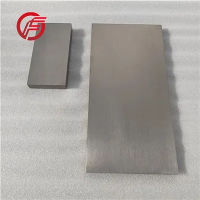

Annealing is a crucial heat treatment process that can significantly enhance the mechanical properties of titanium rods, making them more suitable for a wide range of applications. As a trusted titanium rod supplier, I'm here to share with you a comprehensive guide on how to anneal a titanium rod.
Understanding the Basics of Annealing Titanium Rods
Before delving into the annealing process, it's essential to understand why annealing is necessary for titanium rods. Titanium is known for its high strength-to-weight ratio, corrosion resistance, and biocompatibility, which makes it a popular choice in various industries, including aerospace, medical, and automotive. However, during the manufacturing process, titanium rods can develop internal stresses, which can affect their performance and durability. Annealing helps to relieve these stresses, improve ductility, and enhance the overall quality of the titanium rods.
Preparing for the Annealing Process
The first step in annealing a titanium rod is to prepare the rod and the annealing equipment. Here are the key steps to follow:
- Inspect the Titanium Rod: Before annealing, carefully inspect the titanium rod for any visible defects, such as cracks, scratches, or surface irregularities. If any defects are found, they should be addressed before proceeding with the annealing process.
- Clean the Titanium Rod: Thoroughly clean the titanium rod to remove any dirt, grease, or contaminants that could affect the annealing process. Use a suitable cleaning agent and a soft brush to clean the surface of the rod.
- Select the Annealing Equipment: Choose an appropriate annealing furnace or oven that can reach the required annealing temperature for titanium. The furnace should be equipped with a temperature control system to ensure accurate and consistent heating.
- Determine the Annealing Temperature and Time: The annealing temperature and time depend on the specific grade of titanium and the desired properties of the rod. Generally, the annealing temperature for titanium ranges from 700°C to 900°C, and the annealing time can vary from 30 minutes to several hours. Consult the manufacturer's specifications or a metallurgical expert to determine the optimal annealing temperature and time for your titanium rod.
The Annealing Process
Once you have prepared the titanium rod and the annealing equipment, you can proceed with the annealing process. Here are the steps to follow:
- Load the Titanium Rod into the Furnace: Carefully place the titanium rod in the annealing furnace, ensuring that it is properly supported and not in contact with the furnace walls or other objects.
- Heat the Furnace: Set the furnace to the desired annealing temperature and allow it to reach the set temperature. This may take some time, depending on the size and type of the furnace.
- Maintain the Annealing Temperature: Once the furnace has reached the set temperature, maintain the temperature for the specified annealing time. This allows the titanium rod to reach a uniform temperature and relieve internal stresses.
- Cool the Titanium Rod: After the annealing time has elapsed, turn off the furnace and allow the titanium rod to cool slowly inside the furnace. This slow cooling process helps to prevent the formation of new internal stresses and ensures the desired mechanical properties of the rod.
- Remove the Titanium Rod from the Furnace: Once the titanium rod has cooled to room temperature, carefully remove it from the furnace. Inspect the rod for any changes in color, shape, or surface finish.
Post-Annealing Treatment
After annealing, the titanium rod may require some post-annealing treatment to further enhance its properties. Here are some common post-annealing treatments:
- Machining: If the titanium rod needs to be machined, it is recommended to perform the machining operations after annealing. Annealing can improve the machinability of titanium, making it easier to cut, drill, and shape the rod.
- Surface Treatment: Depending on the application, the titanium rod may require a surface treatment, such as polishing, coating, or anodizing. Surface treatments can improve the corrosion resistance, wear resistance, and aesthetic appearance of the rod.
- Testing and Inspection: After annealing and any post-annealing treatments, it is important to test and inspect the titanium rod to ensure that it meets the required specifications and standards. Common tests include hardness testing, tensile testing, and microstructure analysis.
Our Titanium Rod Products
As a leading titanium rod supplier, we offer a wide range of high-quality titanium rods to meet the diverse needs of our customers. Our products include ASTMF136 Gr5ELI Gr23 Medical Titanium Rods, Gr2 Gr5 Titanium Rectangle Flat Bar, and High Purity ASTMB348 Gr1 Titanium Bar. Our titanium rods are manufactured using advanced technology and strict quality control measures to ensure their reliability and performance.


Contact Us for Procurement
If you are interested in purchasing titanium rods or have any questions about the annealing process, please feel free to contact us. Our team of experts is dedicated to providing you with the best products and services. We look forward to working with you to meet your titanium rod needs.
References
- ASM Handbook, Volume 4: Heat Treating, ASM International.
- Titanium: A Technical Guide, Second Edition, John R. Grobstein, ASM International.
- Heat Treatment of Titanium Alloys, R. Boyer, G. Welsch, and E.W. Collings, ASM International.