
Global demand plays a pivotal role in shaping the titanium market. As a titanium supplier, I have witnessed firsthand how fluctuations in global demand can have far - reaching impacts on every aspect of the titanium industry, from production and pricing to market trends and future prospects.
The Current State of the Global Titanium Market
The titanium market is a dynamic and complex ecosystem. Titanium is a remarkable metal known for its high strength - to - weight ratio, excellent corrosion resistance, and biocompatibility. These properties make it highly sought - after in a wide range of industries, including aerospace, medical, automotive, and consumer goods.
In recent years, the aerospace industry has been one of the major drivers of global titanium demand. Titanium alloys are extensively used in aircraft components such as engine parts, airframes, and landing gear. With the growth of the global aviation industry, driven by increasing air travel demand and the replacement of aging fleets, the need for titanium in aerospace applications has been on the rise. For instance, modern commercial aircraft like the Boeing 787 and Airbus A350 use a significant amount of titanium, which contributes to their fuel efficiency and overall performance.
The medical sector is another important consumer of titanium. Titanium's biocompatibility makes it an ideal material for medical implants, such as hip and knee replacements, dental implants, and spinal fusion devices. As the global population ages and the demand for advanced medical treatments increases, the medical industry's consumption of titanium is expected to continue growing.
The automotive industry is also exploring the use of titanium to reduce vehicle weight and improve fuel efficiency. Although the adoption of titanium in automotive applications is still relatively limited due to its high cost, some high - performance and luxury car manufacturers are starting to use titanium components, such as exhaust systems and suspension parts.
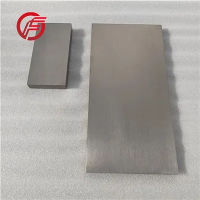
In the consumer goods market, titanium is used in products like watches, jewelry, and sports equipment. Titanium Foil Sheet is also a popular product, often used in electronic devices and decorative applications for its unique appearance and properties.
How Global Demand Affects Production
Global demand directly influences the production levels of titanium. When demand is high, titanium producers increase their output to meet market needs. This may involve ramping up mining operations to extract more titanium ore, expanding smelting and refining facilities, and increasing the production of semi - finished and finished titanium products.
However, increasing production is not always a straightforward process. Titanium production is a complex and energy - intensive process that requires specialized equipment and expertise. It can take several years to build new mining or production facilities, and there are also environmental and regulatory constraints that need to be considered.
For example, if there is a sudden surge in demand from the aerospace industry, titanium producers may face challenges in quickly increasing their production capacity. They may need to invest in new technology and equipment, hire and train additional workers, and ensure compliance with environmental regulations. This can lead to supply shortages in the short term, which in turn can drive up prices.
On the other hand, when global demand is low, titanium producers may scale back their production to avoid over - supply. This can result in reduced mining activities, idled production facilities, and layoffs. A decrease in production can also lead to a slowdown in research and development efforts, as companies may have less resources to invest in new technologies and product innovations.
Pricing Dynamics in Response to Global Demand
Global demand has a significant impact on titanium prices. When demand exceeds supply, prices tend to rise. This is because producers can charge higher prices for their products due to the limited availability of titanium in the market. Higher prices can also encourage new entrants into the market, as they see the potential for profit.
Conversely, when supply exceeds demand, prices fall. A surplus of titanium in the market can lead to intense competition among producers, forcing them to lower their prices to attract customers. Falling prices can be beneficial for consumers, as they can purchase titanium products at a lower cost. However, it can be challenging for producers, as they may face reduced profit margins and financial difficulties.
For example, during the global economic recession in 2008 - 2009, the demand for titanium from the aerospace and automotive industries declined significantly. This led to a surplus of titanium in the market, and prices dropped sharply. Many titanium producers had to cut back on production and implement cost - saving measures to survive the downturn.
In addition to supply and demand factors, other elements can also affect titanium prices. These include the cost of raw materials, energy prices, exchange rates, and geopolitical factors. For instance, if the price of titanium ore increases due to supply disruptions in major mining regions, it can drive up the cost of titanium production and, consequently, the price of titanium products.
Market Trends and Future Outlook
The global titanium market is constantly evolving, and market trends are closely related to global demand. One of the emerging trends is the increasing demand for high - quality and specialty titanium products. As industries become more advanced and demanding, there is a growing need for titanium alloys with specific properties, such as high strength, low weight, and excellent corrosion resistance. UNS R53400 ASTM B348 Ti - Alloy Grade 12 Titanium Round Bar is an example of a specialty titanium product that meets the requirements of certain industries.


Another trend is the growing focus on sustainability in the titanium industry. Consumers and industries are becoming more environmentally conscious, and there is a demand for titanium products that are produced in an environmentally friendly manner. This has led to the development of new technologies and processes that reduce the environmental impact of titanium production, such as using renewable energy sources and improving waste management.
Looking ahead, the future of the titanium market will depend largely on global economic growth, technological advancements, and changes in consumer preferences. If the global economy continues to grow, the demand for titanium in industries such as aerospace, medical, and automotive is likely to increase. Technological advancements may also open up new applications for titanium, such as in the field of renewable energy and electronics.
However, there are also challenges that the titanium market may face. These include the high cost of titanium production, competition from alternative materials, and potential trade disputes. To overcome these challenges, titanium producers need to continue investing in research and development, improve production efficiency, and build strong relationships with their customers.
Impact on Our Business as a Titanium Supplier
As a titanium supplier, we are directly affected by global demand. When demand is strong, we experience increased orders from our customers, which allows us to expand our business and increase our revenue. We also have the opportunity to develop new products and partnerships to meet the changing needs of the market.
For example, if the aerospace industry has a high demand for titanium, we may work closely with aerospace manufacturers to provide them with high - quality titanium products that meet their strict specifications. We may also invest in new equipment and technology to improve our production processes and ensure the timely delivery of products.
On the other hand, when demand is weak, we face challenges such as reduced orders, lower prices, and increased competition. To cope with these challenges, we need to be flexible and adaptable. We may focus on cost - control measures, such as reducing operating expenses and optimizing our supply chain. We may also explore new markets and applications for titanium to diversify our customer base.
Consumer Goods and the Titanium Market
In the consumer goods sector, the demand for titanium products is also influenced by global trends and consumer preferences. Titanium Backpacking Camp Stove is an example of a consumer product that benefits from titanium's lightweight and durable properties. As more people are interested in outdoor activities and sustainable living, the demand for such titanium - based consumer goods is expected to grow.
Consumer awareness of the benefits of titanium, such as its hypoallergenic properties and long - lasting nature, is also increasing. This is driving the demand for titanium in jewelry and watches, as consumers are willing to pay a premium for high - quality and unique titanium products.
Conclusion and Call to Action
In conclusion, global demand has a profound impact on the titanium market. It affects production, pricing, market trends, and the future prospects of the industry. As a titanium supplier, we are committed to meeting the diverse needs of our customers in different industries.
Whether you are in the aerospace, medical, automotive, or consumer goods industry, we have a wide range of high - quality titanium products to offer. If you are interested in purchasing titanium products or have any questions about our offerings, we encourage you to contact us for a detailed discussion. We look forward to working with you and building a long - term partnership to meet your titanium needs.
References
- "Titanium: Technology, Applications, and Markets" by various authors.
- Industry reports from market research firms such as Roskill and Metal Bulletin.
- Academic papers on titanium production, properties, and applications in journals like "Journal of Materials Science" and "Metallurgical and Materials Transactions".