
Titanium is a remarkable metal known for its exceptional strength, low density, and excellent corrosion resistance. As a leading titanium supplier, I often encounter questions from clients regarding the reactivity of titanium, especially its interaction with water. In this blog post, I will delve into the scientific aspects of whether titanium reacts with water, exploring the conditions under which such reactions may or may not occur.
The Basics of Titanium's Reactivity
Titanium is a transition metal with an atomic number of 22. It is highly reactive in its pure form, readily forming a thin oxide layer on its surface when exposed to air. This oxide layer, primarily composed of titanium dioxide (TiO₂), is extremely stable and adheres tightly to the metal surface. It acts as a protective barrier, preventing further oxidation and corrosion of the underlying titanium metal.
The stability of the titanium dioxide layer is crucial in determining the metal's reactivity with water. Under normal conditions, this oxide layer effectively shields the titanium from reacting with water. However, the reactivity can change under certain circumstances, such as high temperatures, high pressures, or in the presence of specific chemicals.
Titanium in Contact with Water at Room Temperature
At room temperature and normal atmospheric pressure, titanium is essentially inert to water. The protective oxide layer on the surface of the titanium prevents water molecules from coming into direct contact with the metal. As a result, there is no significant chemical reaction between titanium and water under these conditions.

This property makes titanium an ideal material for various applications where contact with water is inevitable. For example, it is widely used in the marine industry for shipbuilding, offshore structures, and desalination plants. Titanium's resistance to corrosion in seawater, which contains a high concentration of salts and other corrosive agents, is particularly valuable. It ensures the long - term durability and reliability of these structures, reducing maintenance costs and the risk of structural failure.
Reactivity at High Temperatures
When titanium is exposed to water at high temperatures, the situation changes. At temperatures above approximately 500°C, the protective oxide layer can break down, allowing water to react with the underlying titanium metal. The reaction between titanium and water vapor at high temperatures can be represented by the following chemical equation:
Ti + 2H₂O(g) → TiO₂ + 2H₂
In this reaction, titanium reacts with water vapor to form titanium dioxide and hydrogen gas. The high temperature provides the energy needed to overcome the stability of the oxide layer and initiate the chemical reaction. This reaction is exothermic, meaning it releases heat.
The formation of hydrogen gas can be a concern in some applications. Hydrogen can cause embrittlement of the titanium metal, reducing its mechanical properties and increasing the risk of cracking and failure. Therefore, in high - temperature applications where titanium may come into contact with water vapor, special precautions need to be taken to prevent or control this reaction.
Reactivity in the Presence of Acids or Bases
In addition to high temperatures, the presence of acids or bases can also affect titanium's reactivity with water. Titanium is generally resistant to most acids and bases under normal conditions due to the protective oxide layer. However, in the presence of strong reducing acids, such as hydrofluoric acid (HF), the oxide layer can be dissolved, exposing the titanium metal to further reaction.
When the oxide layer is removed, titanium can react with water in the acidic environment. For example, in a hydrofluoric acid solution, the reaction can be complex and may involve the formation of various titanium fluoride compounds.
On the other hand, in strongly alkaline solutions, titanium can also show some reactivity. At high pH values, the oxide layer can undergo chemical changes, making the metal more susceptible to corrosion. However, compared to its reactivity in acidic solutions, titanium's reactivity in alkaline solutions is relatively limited.
Applications and Considerations for Titanium Suppliers
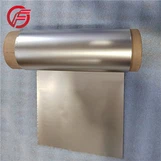
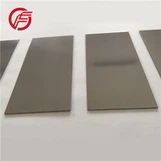
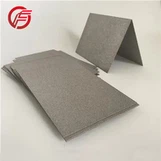
As a titanium supplier, understanding the reactivity of titanium with water is essential for providing the right products and advice to our customers. We offer a wide range of titanium products, including Gr2 Titanové Desky, which are known for their excellent corrosion resistance and mechanical properties.
For customers in the marine and water - related industries, we recommend using titanium products with a well - formed and stable oxide layer. This ensures maximum protection against corrosion in water environments. In high - temperature applications, we can provide guidance on proper heat treatment and protective coatings to prevent the reaction between titanium and water vapor.
When dealing with acidic or alkaline environments, we can help customers select the appropriate grade of titanium and provide recommendations on surface treatments to enhance corrosion resistance. Our technical team is always available to answer any questions and provide customized solutions based on the specific requirements of each application.
Conclusion
In conclusion, under normal conditions at room temperature, titanium does not react with water due to the protective oxide layer on its surface. This property makes it a highly desirable material for a wide range of applications in water - containing environments. However, at high temperatures or in the presence of certain chemicals, titanium can react with water, leading to potential issues such as corrosion and hydrogen embrittlement.
As a titanium supplier, we are committed to providing high - quality titanium products and comprehensive technical support. Whether you are in the marine, aerospace, chemical, or any other industry that requires the use of titanium, we can help you make the right choices to ensure the optimal performance and longevity of your products.
If you are interested in purchasing titanium products or have any questions about titanium's reactivity and applications, please do not hesitate to contact us. Our team of experts is ready to assist you in your procurement process and provide you with the best solutions for your specific needs.
References
1.ASM Handbook, Volume 2: Properties and Selection: Nonferrous Alloys and Special - Purpose Materials. ASM International.
2.Corrosion Resistance of Titanium and Titanium Alloys. NACE International.
3.Materials Science and Engineering: An Introduction. William D. Callister, Jr. and David G. Rethwisch.