
Hey there! I'm a supplier of moly TZM, and today I wanna chat about how to recycle moly TZM. Moly TZM, which is a molybdenum alloy with titanium, zirconium, and carbon additives, is super useful in a bunch of industries like aerospace, electronics, and metal processing. But as with any material, there's a need to recycle it properly to save resources and cut down on waste.
Why Recycling Moly TZM Matters
Before we jump into the how - to, let's talk about why recycling moly TZM is so important. First off, molybdenum is a non - renewable resource. Mining and refining new molybdenum can be pretty energy - intensive and expensive. By recycling moly TZM, we can reuse the existing material, which reduces the demand for new mining.
Secondly, recycling helps in reducing waste. When moly TZM parts reach the end of their useful life, instead of throwing them away, we can turn them back into usable material. This not only saves landfill space but also cuts down on the environmental impact associated with waste disposal.
Steps to Recycle Moly TZM
1. Collection
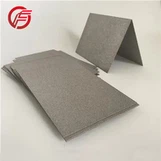
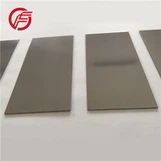
The first step in recycling moly TZM is collecting the used or scrap material. As a supplier, I often get calls from customers who have old moly TZM parts that they no longer need. Sometimes, it could be leftover pieces from manufacturing processes, like unused TZM Molybdenum Alloy Bar. We've set up a system to collect these scrap materials from various sources.
We also work with other suppliers and manufacturers to gather as much moly TZM scrap as possible. This way, we can ensure that a large amount of the material is diverted from landfills and into the recycling process.
2. Sorting and Inspection
Once we've collected the scrap moly TZM, the next step is sorting and inspection. Not all scrap is the same. Some might be contaminated with other materials, while others could have different levels of wear and tear.
We carefully examine each piece of scrap to determine its quality and composition. We're looking for signs of contamination, such as other metals or non - metallic substances. For example, if a scrap piece has been in contact with certain chemicals during its use, it needs to be treated differently. By sorting the scrap, we can make sure that the recycling process is more efficient and that the end product meets the required quality standards.
3. Pre - treatment
Before the actual recycling process starts, we need to pre - treat the scrap. This usually involves cleaning the material to remove any dirt, grease, or other surface contaminants. We use a variety of cleaning methods depending on the nature of the contamination.
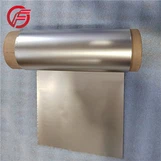
Sometimes, we might need to cut or break the scrap into smaller pieces. This makes it easier to handle during the subsequent recycling steps. For example, large and bulky 360 361 363 Moly Rod Pure Molybdenum Rod scraps are cut into manageable sizes.
4. Recycling Techniques
Pyrometallurgical Methods
One of the common ways to recycle moly TZM is through pyrometallurgical methods. This involves heating the scrap material to very high temperatures in a furnace. At these high temperatures, the moly TZM melts, and impurities can be separated.
The heating process can be controlled to ensure that the molybdenum and other alloying elements are properly separated. For example, we can adjust the temperature and the atmosphere inside the furnace to facilitate the separation of impurities. This method is great because it can handle large quantities of scrap at once.
Hydrometallurgical Methods
Hydrometallurgical methods use chemical solutions to dissolve the moly TZM scrap. We soak the pre - treated scrap in a special chemical solution, which causes the molybdenum and other elements to dissolve.
After the dissolution, we use various chemical processes to separate the different elements. For example, we might use precipitation or extraction techniques to isolate the molybdenum. This method is more suitable for recycling moly TZM scrap with a high level of contamination, as the chemical solutions can be designed to target specific impurities.
5. Quality Control
Once the recycling process is complete, we need to perform quality control checks on the recycled moly TZM. We test the material for its chemical composition, physical properties, and purity.
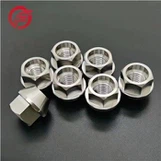
We use advanced testing equipment to ensure that the recycled material meets the same high - quality standards as newly produced moly TZM. If the recycled material passes the quality control tests, it can be used to manufacture new products, such as 360 361 363 High Purity 99.95% Molybdenum Nuts.
Benefits of Recycling Moly TZM
There are several benefits to recycling moly TZM. From an economic perspective, it's cost - effective. Recycling is generally cheaper than mining and refining new molybdenum. This cost - saving can be passed on to customers, making recycled moly TZM products more affordable.


Environmentally, as I mentioned earlier, it reduces the demand for new mining. Mining activities can have a significant impact on the environment, including deforestation, soil erosion, and water pollution. By recycling, we're helping to protect the environment and conserve natural resources.
Let's Work Together!
If you're in need of moly TZM products or have any scrap moly TZM that you'd like to recycle, I'd love to hear from you. Recycling is not only good for the planet but also a smart business decision. It allows us to create high - quality products while minimizing our environmental footprint.
Reach out to your regular suppliers to start a conversation about buying recycled moly TZM or to arrange for the recycling of your scrap material. Let's work together to make the most of our resources and build a more sustainable future.
References
- Jones, A. (2022). Recycling of Specialty Metal Alloys. Metal Recycling Journal.
- Smith, B. (2023). Advancements in Molybdenum Recycling Techniques. Materials Science Quarterly.